In this article
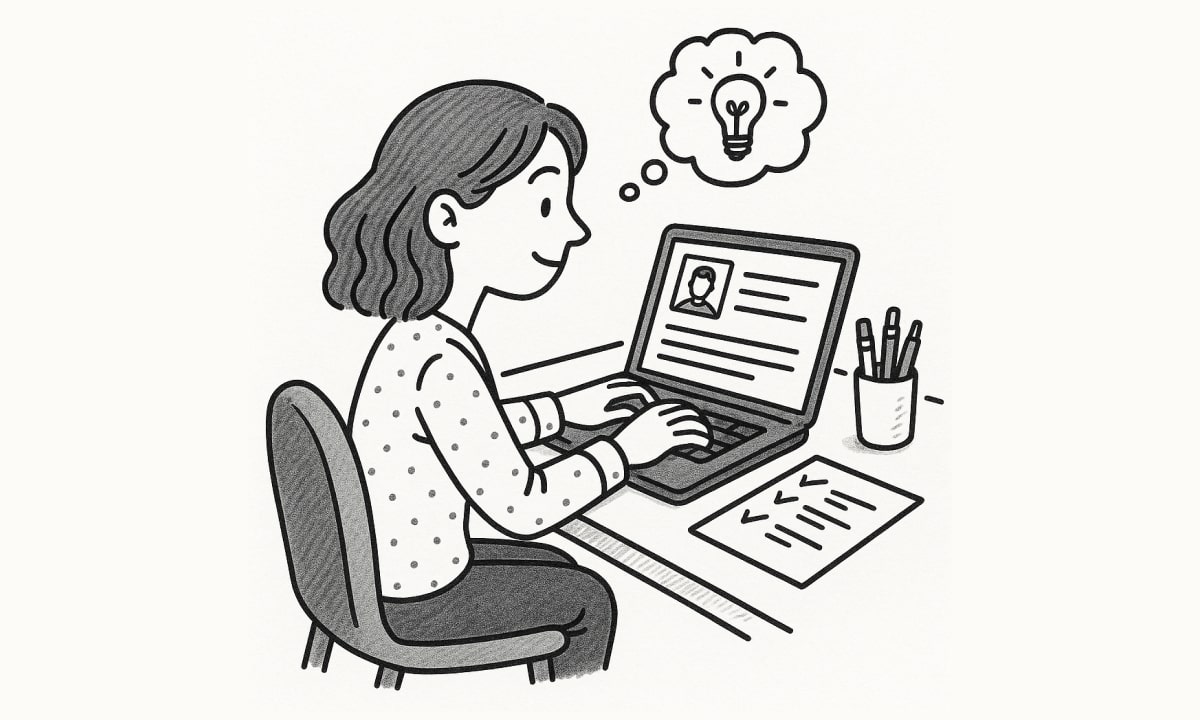
The COVID-19 pandemic has significantly changed the labor market. Most of the world’s leading companies have either closed down or switched to a remote work model. Certain sectors, such as IT, had been gradually shifting to remote work long before this. However, the global epidemic has changed every sector.
Just a few years ago, it seemed that remote work would replace offices forever. But today, companies and employees are rethinking the pandemic experience and noticing an interesting trend: complete isolation also has downsides. So, the best solution is to seek a middle ground.
Instead of an “office vs. remote work” confrontation, companies are adopting a deliberate hybrid model, one where in-person interaction returns not as a compulsion, but as a valuable tool.

The Limits of the Screen: Why Digital Fatigue is Real
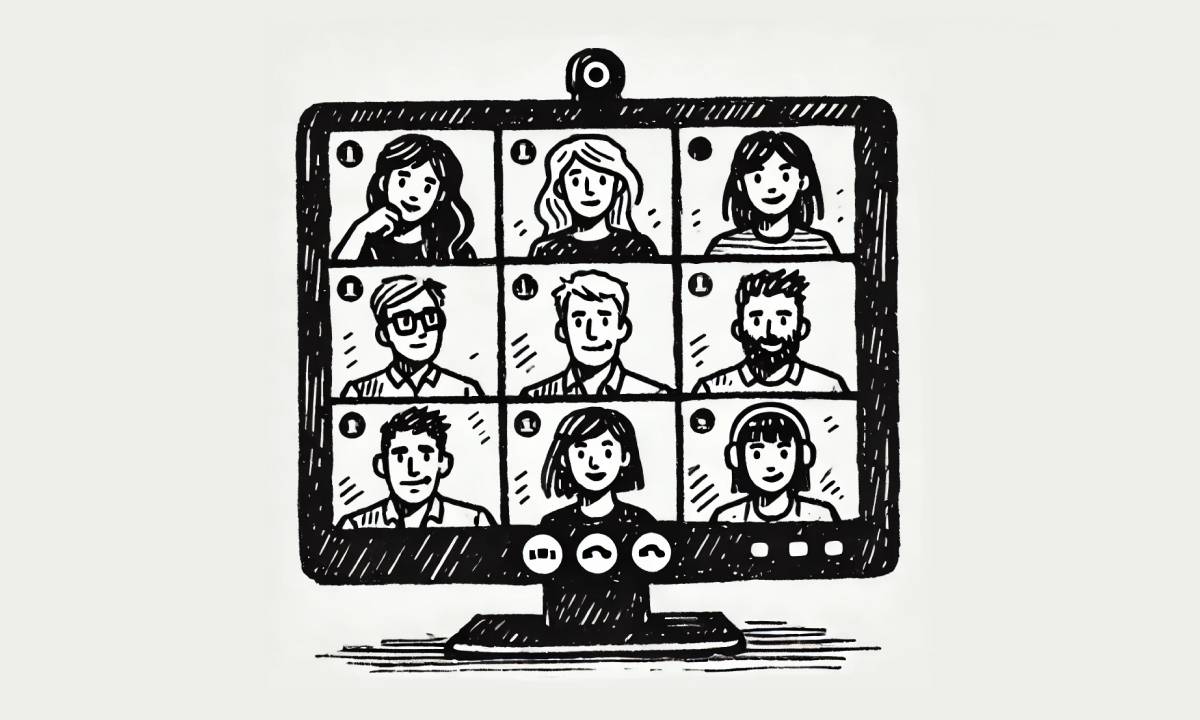
The shift to remote work has significantly changed the workflow. Many employees complain about fatigue from endless Zoom calls and Slack messages. As a result, the day is packed with calls, and productivity drops. This contributes to rapid emotional burnout and lower employee motivation.
It’s no secret that the most creative and interesting ideas emerge during informal conversations in the office, for example, over lunch or during a smoke break. When working online, most people complain that asynchronous communication can lead to misunderstandings.
In addition to this, remote work often leads to a disrupted daily routine, socialization issues, and a decline in mental health.
Sparking Innovation: Where Creativity Meets the Room
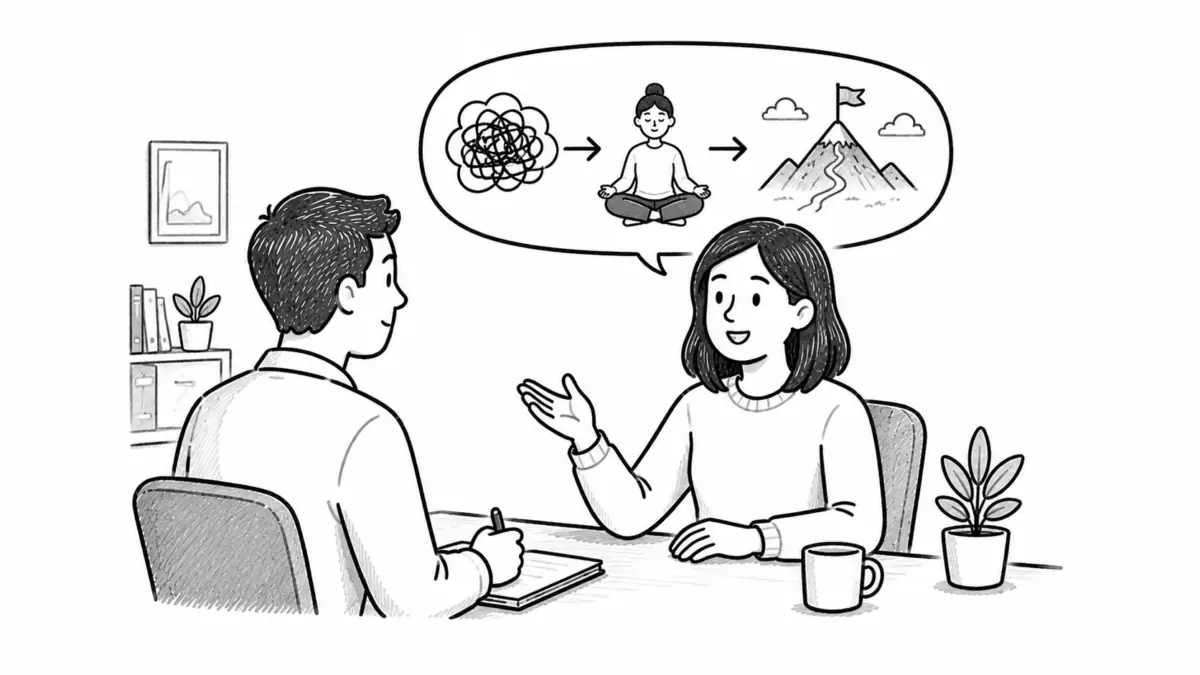
Many work tasks can be handled online, but it is no secret that some ones require a personal presence. This includes complex brainstorming sessions, launching new projects from scratch, crisis management, and onboarding new employees. When a team gathers in person, empathy, engagement, and synergy are significantly higher than through a computer screen. Team chemistry, spontaneous discussions, and solving complex problems “at the whiteboard” in the office boost efficiency and foster personal growth.
Hosting corporate parties, events, and quizzes for employees also boosts team spirit and fosters a friendly atmosphere within the team. This is especially important for beginners. New employees find it much easier to integrate through in-person interaction and mentorship from experienced colleagues.
From Mandatory to Meaningful: Redefining the Office Purpose
Many people were initially very happy about the introduction of remote work. Offices increasingly became places where people had to get through the workday. Efficiency and productivity took a back seat.
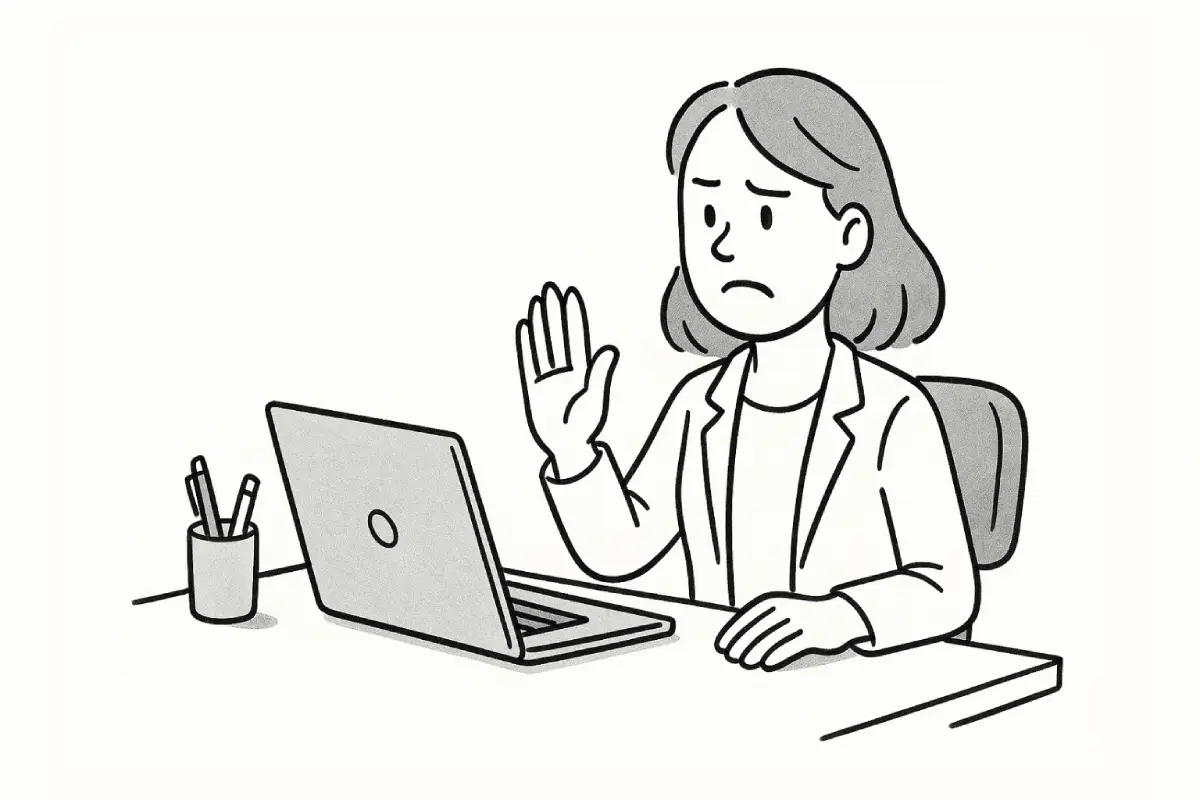
However, the trend is currently shifting. The office can no longer be a place where people are herded in for 8 hours to tick a box. A forced return to the office only sparks resistance among employees who have grown accustomed to remote work. Now, the office or flexible space is becoming a magnet for collaboration, as well as a space for working together and socializing. The main focus shifts from the amount of time spent in the office to the quality of collective collaboration.
As organizations move away from traditional long-term leases, many are using platforms like Officespace.rent to secure flexible, on-demand workspaces for intermittent team gatherings and hybrid setups.
Navigating the Hybrid Balance: The Future of Workplaces
The main challenge for companies is finding the right balance between employee flexibility and business needs.
Even remote-first companies occasionally invest in team gatherings, off-sites, retreats, or renting small, flexible spaces when needed. It is about flexibility and respect for an employee’s time, not about returning to the old corporate slavery.
Here is what a successful hybrid format might look like today – for example, 2–3 days in the office for collaborative work, and the rest for focused remote work.
Conclusion
The future of the labor market is clearly hybrid, where in-person interaction becomes a valuable resource. Neither the stifling offices of the last century nor complete isolation at home yield ideal results. Successful companies prioritize flexibility, well-designed space, and freedom of choice for their teams.
Choose the work format that suits you best, and don’t be afraid to explore different fields to find your true dream job.