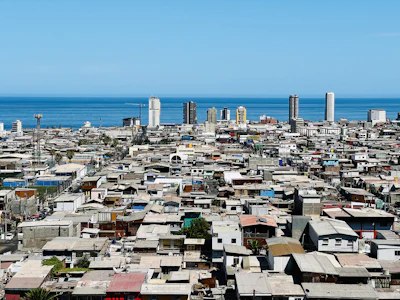
Remote Work Guide to Mar del Plata
Mar del Plata is a budget-friendly coastal city in Argentina, perfect for digital nomads who love beach life and a slower pace. With affordable rent, decent internet, and a vibrant local culture, it's a solid alternative to Buenos Aires.
- Est. Budget
- $930/mo
- Internet
- 30 Mbps
- Nomad Vibe
- 7/10
- Timezone
- UTC-3
📊 Remote Worker Score
Overall liveability breakdown for digital nomads.
💰 The Cost of Living
Estimated Budget: ~$930/mo
Rent for a one-bedroom apartment averages $450 USD per month, but prices can fluctuate with inflation. Utilities are cheap, but imported electronics are expensive. Eating out is affordable, with a local meal around $8, and coffee under $3. The biggest hidden cost is withdrawing cash – ATMs charge high fees, so bring USD to exchange at blue market rates. Budget at least $1,000 per month for a comfortable lifestyle.
🌤️ Weather & Climate
Mar del Plata has an oceanic climate with mild summers and cool winters. The best time to visit is from November to March when temperatures range from 18-28°C and skies are mostly clear. Winters (June-August) are cold, windy, and often rainy, making them less ideal for outdoor work. Spring and autumn offer comfortable conditions but fewer crowds. If you prefer warm weather and beach time, plan your stay around the summer months.
| Season | Temp | Condition | Nomad Rating |
|---|---|---|---|
| Jan - Mar | 18-28°C | Warm and sunny, occasional heatwaves | ⭐⭐⭐⭐⭐ |
| Apr - Jun | 8-18°C | Cool, windy, frequent rain | ⭐⭐⭐ |
| Jul - Sep | 4-14°C | Cold, cloudy, strong winds | ⭐⭐ |
| Oct - Dec | 12-24°C | Mild and pleasant, blooming spring | ⭐⭐⭐⭐ |
Plan your trip for
Nov - Mar
💻 Workspace & Real Connectivity
Coworking spaces like Work & Co and Urban Station offer monthly desks for about $150, with good Wi-Fi and coffee. Internet in the city averages 30 Mbps, sufficient for video calls, but can slow during peak hours. Many cafés have free Wi-Fi, though speeds vary. For a quieter setup, consider renting an apartment with fiber optic (Fibertel) already installed. Power outages are rare but possible during storms.
- Stability: Generally stable, but occasional drops during storms
- eSIM: Available via Airalo/Holafly, but local SIM is cheaper
- Local SIM: ~10 USD/mo for 10GB prepaid data
🏠 Everyday Life Essentials
Before packing your bags, here are the practical details about living in Mar del Plata. Knowing these nuances can make or break your remote setup.
🚑 Safety & Healthcare
Public hospitals are free but can have long waits; private clinics like Clínica Pueyrredon offer better service for around $50 per visit. Health insurance is affordable – a monthly plan from OSDE or Swiss Medical costs $30-60. Pharmacies are well-stocked and most medications are available without prescription. Safety-wise, violent crime is low, but petty theft (phone snatching) happens in crowded areas. Avoid walking alone at night on dimly lit streets.
🍜 Food Scene
Mar del Plata is famous for its seafood – try the 'rabas' (fried squid) and 'merluza' (hake) at beachfront parrillas. Local meals average $8, and a three-course dinner for two with wine is around $25. Street food like empanadas and choripán are cheap ($2-3). Tap water is safe to drink, but many locals buy bottled due to taste. The city also has excellent ice cream parlors – don't miss 'Freddo' or 'Grido'.
Local Meal Avg.
🛵 Getting Around (Transport)
The city is very walkable, especially the center and coastal promenade. Local buses cost $0.30 per ride and cover most neighborhoods. Taxis are affordable (starting at $1.50). Uber is not officially legal but operates discreetly. A monthly transport pass is around $30. For longer stays, consider buying a used bike – the terrain is flat and bike lanes exist in some areas. Traffic is manageable except in summer when tourists flood the streets.
- Ride-hailing: Uber operates informally, but local taxis and remises are more reliable
- Scooter: Not recommended due to traffic and lack of dedicated lanes
- Airport: 10 km from city center, 20 min by taxi
- Traffic: Moderate, heavy during summer weekends
Monthly Transit Budget
Estimated cost for local transport, scooter rental, or ride-hailing apps.
🛂 Visas & Nomad Taxes
Argentina offers a 90-day tourist visa on arrival for most nationalities, which is easy to extend for another 90 days. A new digital nomad visa launched in 2022 allows stays up to one year with proof of remote income. For longer stays, the rentista visa requires a steady passive income. Many nomads do border runs to Uruguay or Chile to reset their tourist visa.
💼 Tax Landscape
Argentina has a territorial tax system – only income earned within the country is taxed. Foreign-sourced income (e.g., remote work for overseas companies) is generally tax-exempt for residents, but rules are complex. Digital nomads on tourist visas do not need to pay local taxes, but those staying longer (e.g., via the nomad visa) may need to register with AFIP. Consult a local accountant to stay compliant.
Common Visas
- Tourist visa (90 days)
- Digital nomad visa (new)
- Rentista residency
🗣️ Language & Culture
Argentines value personal connections and a relaxed pace – don't be surprised if meetings start 15 minutes late. Greetings include a single cheek kiss (even with strangers). Locals appreciate attempts to speak Spanish, even broken; English is not widely spoken. Tipping is expected (10% at restaurants, small coins for hotel staff). Dress code is casual but neat. Avoid discussing politics or the economy unless you know the person well.
English Proficiency
🗺️ Best Areas for Remote Workers
| Area | Avg Rent | Noise | Walkability | Best For |
|---|---|---|---|---|
| La Perla | $500/mo | Lively | 9/10 | Beach lovers |
| Centro | $400/mo | Moderate | 10/10 | Shopping & dining |
| Los Troncos | $600/mo | Quiet | 6/10 | Families |
| Punta Mogotes | $450/mo | Quiet | 5/10 | Nature & relaxation |
🏠 Everyday Life Pros & Cons
👍 Pros
- ✅ Affordable cost of living
- ✅ Beautiful beaches and ocean views
- ✅ Excellent seafood and local cuisine
- ✅ Friendly and welcoming locals
- ✅ Stable internet for remote work
- ✅ Walkable city center and coastline
👎 Cons
- ❌ High inflation affects prices regularly
- ❌ Limited English spoken outside tourism
- ❌ Cold and windy winters (June–August)
- ❌ Seasonal crowds in summer (Jan–Feb)
- ❌ Bureaucracy can be frustrating
- ❌ Economic instability and cash dependency
⚠️ Common Mistakes in Mar del Plata
Avoid these beginner traps to save money and stress:
- — Assuming USD is widely accepted – always carry Argentine pesos
- — Not carrying enough cash because many small shops don't take cards
- — Ignoring inflation – prices can change weekly, check current rates
- — Renting an apartment sight unseen online – scams happen
- — Visiting in winter (July) expecting warm weather – pack layers
- — Underestimating the language barrier – few locals speak English
- — Not registering for a local SIM early – roaming is expensive
💬 Remote Worker Reviews
📊 Data Sources & Methodology
To ensure accuracy, the cost of living index and city data are aggregated from multiple global databases:
Internet speeds: Ookla Speedtest Global Index.
Safety & Crime: Numbeo Safety Index and global crime reports.
Air Quality (AQI): IQAir realtime data.
Budgeting: Aggregated from Numbeo, NomadList, and localized expat housing communities.
* AI analysis provided by Google AI algorithms trained on the latest remote work trends.
How does Mar del Plata compare?
Compare living costs and stats with other popular nomad destinations.