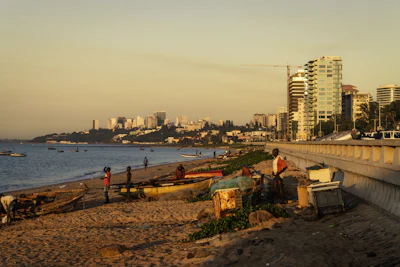
Remote Work Guide to Salta
Salta offers digital nomads an affordable base with rich culture, beautiful colonial architecture, and easy access to the Andes. Its low cost of living and friendly atmosphere make it an appealing alternative to more popular Argentine cities.
- Est. Budget
- $720/mo
- Internet
- 25 Mbps
- Nomad Vibe
- 7/10
- Timezone
- UTC-3
📊 Remote Worker Score
Overall liveability breakdown for digital nomads.
💰 The Cost of Living
Estimated Budget: ~$720/mo
Rent for a furnished one-bedroom in the city center averages $350–$400 USD per month, dropping to $250–$300 in quieter neighborhoods. Eating out is cheap—a menu del día costs around $6—but grocery prices have risen with inflation. Hidden costs include high ATM fees (always withdraw large amounts to minimize charges) and the need to pay for water delivery if you don't boil tap water. Always negotiate long-term rentals in Argentine pesos, as USD prices can fluctuate.
🌤️ Weather & Climate
Salta enjoys a subtropical highland climate with four distinct seasons. Summers (December–March) are hot and rainy with frequent afternoon storms, while winters (July–September) are cool and dry with clear skies. The best time to visit is autumn (April–June) and spring (October–November), when temperatures are mild and rainfall is low. The city sits at 1,200 meters, which moderates heat year-round and provides comfortable conditions for outdoor exploration.
| Season | Temp | Condition | Nomad Rating |
|---|---|---|---|
| Jan - Mar | 22-30°C | Hot and humid with frequent afternoon thunderstorms | ⭐⭐⭐ |
| Apr - Jun | 14-24°C | Mild and dry, perfect for outdoor activities | ⭐⭐⭐⭐⭐ |
| Jul - Sep | 8-20°C | Cool and dry, crisp air with plenty of sunshine | ⭐⭐⭐⭐ |
| Oct - Dec | 16-28°C | Warming up, occasional showers but generally pleasant | ⭐⭐⭐⭐ |
Plan your trip for
Apr - Oct
💻 Workspace & Real Connectivity
Coworking spaces in Salta are limited but functional, with dedicated desks around $100/month at spots like Urban Station and Córdoba Cowork. Internet speeds average 25 Mbps, sufficient for video calls but may drop during storms. Many cafés offer free WiFi, though connections are slower. For reliable work, consider buying a local SIM with 4G data as backup; fiber optic connections are expanding in central areas.
- Stability: Generally stable, but occasional drops during strong thunderstorms
- eSIM: Available via Airalo and Holafly; local carriers also offer digital plans
- Local SIM: ~10 USD/mo for 15GB of 4G data (Claro or Movistar)
🏠 Everyday Life Essentials
Before packing your bags, here are the practical details about living in Salta. Knowing these nuances can make or break your remote setup.
🚑 Safety & Healthcare
Public hospitals in Salta provide basic care at low cost, but most nomads prefer private clinics like Sanatorio Salta or Centro Médico San Roque for shorter wait times. A simple doctor's visit runs $20–$50. English-speaking doctors are rare, so basic Spanish is useful. Pharmacies are well-stocked, and over-the-counter medication is cheap. Safety is moderate – keep valuables hidden and avoid walking alone at night in less touristy areas.
🍜 Food Scene
Salta's food scene is a highlight, with empanadas salteñas (considered the best in Argentina), locro (a hearty stew), and grilled meats dominating menus. A typical meal in a local restaurant costs $6–$8; a nice dinner with wine runs about $15. Street food is safe but tap water is not – always drink bottled or boiled water. The region is famous for Torrontés wine, and wine tours in Cafayate are a must.
Local Meal Avg.
🛵 Getting Around (Transport)
Salta is very walkable in the center, with most attractions, restaurants, and coworking spaces within a 15-minute walk. The public bus system costs $0.30 per ride and covers the whole city. Taxis and ride-hailing apps like Cabify are affordable for longer trips. The town of San Lorenzo (20 min away) is accessible by bus and offers hiking trails. A bike-sharing program is not available, but cycling is feasible on the flat central streets.
- Ride-hailing: Uber is limited; Cabify and local taxis are more reliable
- Scooter: Not common; buses and walking are preferred
- Airport: 12 km from city center, ~30 min by taxi (cost ~$10)
- Traffic: Moderate congestion during rush hour, but generally calm
Monthly Transit Budget
Estimated cost for local transport, scooter rental, or ride-hailing apps.
🛂 Visas & Nomad Taxes
Visitors from most countries get a 90-day tourist visa on arrival, renewable for another 90 days by leaving and re-entering (e.g., a quick trip to Chile or Bolivia). Argentina launched a digital nomad visa in 2022 allowing stays up to 12 months, but requirements include proof of remote work, health insurance, and a clean criminal record. For longer stays, consider a temporary residency through the Mercosur agreement (for citizens of member states) or a rentista visa.
💼 Tax Landscape
Argentina does not tax foreign-sourced income for digital nomads staying less than 12 months, as long as they don't become tax residents. After 12 months, you may be considered a resident and subject to progressive income tax (starting ~9% on local-source income). There is no specific nomad tax exemption, but many long-term nomads leave every 90 days to reset their visa and avoid residency. Consult a local accountant to navigate the complex tax system.
Common Visas
- Tourist visa (90 days)
- Digital nomad visa (6-12 months)
- Mercosur residency
🗣️ Language & Culture
Salta is proud of its gaucho traditions and colonial heritage. Locals are friendly but formal; a greeting like 'buenos días' is expected. Spanish is essential – only a handful of people speak English, mostly in tourism. Tipping 10% is standard in restaurants. The pace of life is slower, so patience is key. Avoid discussing Falkland Islands politics and always ask permission before photographing locals.
English Proficiency
🗺️ Best Areas for Remote Workers
| Area | Avg Rent | Noise | Walkability | Best For |
|---|---|---|---|---|
| Centro | $400/mo | Lively | 9/10 | Nightlife & sightseeing |
| Barrio Tres Cerritos | $300/mo | Quiet | 6/10 | Families & calm living |
| San Lorenzo | $500/mo | Quiet | 4/10 | Nature lovers & upscale |
| Zona Norte | $350/mo | Moderate | 5/10 | Modern apartments & convenience |
🏠 Everyday Life Pros & Cons
👍 Pros
- ✅ Very affordable cost of living compared to Buenos Aires
- ✅ Rich colonial architecture and cultural heritage
- ✅ Stunning natural landscapes: Quebrada de Humahuaca, Cafayate
- ✅ Excellent wine and local cuisine (empanadas, locro)
- ✅ Friendly and welcoming locals
- ✅ Mild climate year-round with dry winters
👎 Cons
- ❌ High inflation affects prices unpredictably
- ❌ Internet can be unreliable during storms
- ❌ Limited English spoken outside tourist areas
- ❌ Property crime (pickpocketing, bag snatching) in busy areas
- ❌ Altitude (1,200m) may cause initial discomfort
- ❌ Bureaucratic processes for long-term residency
⚠️ Common Mistakes in Salta
Avoid these beginner traps to save money and stress:
- — Exchanging dollars at official rate instead of the higher 'blue' dollar rate on the black market
- — Not carrying enough cash – many places don't accept cards
- — Underestimating the altitude and failing to acclimate
- — Relying on English; local services almost entirely Spanish
- — Renting a car without understanding local traffic rules and insurance requirements
- — Forgetting to tip 10% in restaurants (servicio de mesa is not included)
- — Drinking tap water without boiling or filtering – it's not safe
💬 Remote Worker Reviews
📊 Data Sources & Methodology
To ensure accuracy, the cost of living index and city data are aggregated from multiple global databases:
Internet speeds: Ookla Speedtest Global Index.
Safety & Crime: Numbeo Safety Index and global crime reports.
Air Quality (AQI): IQAir realtime data.
Budgeting: Aggregated from Numbeo, NomadList, and localized expat housing communities.
* AI analysis provided by Google AI algorithms trained on the latest remote work trends.
How does Salta compare?
Compare living costs and stats with other popular nomad destinations.