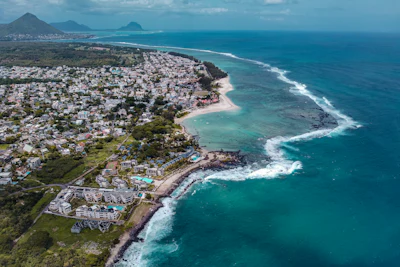
Remote Work Guide to Adelaide
Adelaide offers a balanced lifestyle for digital nomads with its Mediterranean climate, affordable cost of living, and strong cafe culture. It's a perfect base for those seeking a relaxed pace while still having access to modern amenities.
- Est. Budget
- $1615/mo
- Internet
- 70 Mbps
- Nomad Vibe
- 7/10
- Timezone
- UTC+9:30
📊 Remote Worker Score
Overall liveability breakdown for digital nomads.
💰 The Cost of Living
Estimated Budget: ~$1615/mo
Adelaide is one of the most affordable Australian cities for rent, with a one-bedroom apartment averaging around $950 USD per month in the city center. Groceries and dining out are reasonably priced, but imported goods and alcohol can be expensive. Hidden costs include high electricity bills in summer due to air conditioning and the need for a car if you live outside the tram zone. Negotiating rent for long-term stays is common, and sharing housing can cut costs significantly.
🌤️ Weather & Climate
Adelaide enjoys a Mediterranean climate with hot, dry summers and mild, wet winters. The summer months from December to February can see temperatures above 40°C, but coastal breezes often provide relief. Spring and autumn are idyllic with warm days and cool nights, ideal for outdoor work and exploration. The best time to visit is between October and April when the weather is most pleasant and the city hosts multiple festivals.
| Season | Temp | Condition | Nomad Rating |
|---|---|---|---|
| Jan - Mar | 25-30°C | Hot and sunny | ⭐⭐⭐⭐ |
| Apr - Jun | 15-20°C | Mild and mostly dry | ⭐⭐⭐⭐ |
| Jul - Sep | 8-15°C | Cool and rainy | ⭐⭐⭐ |
| Oct - Dec | 15-25°C | Warm and sunny | ⭐⭐⭐⭐ |
Plan your trip for
Oct - Apr
💻 Workspace & Real Connectivity
Coworking spaces in Adelaide like The Stables, 2KW, and Hub Adelaide offer dedicated desks from $200 USD per month with reliable gigabit-speed internet. Many cafes provide free Wi-Fi and power outlets, making remote work easy. The city also has excellent public libraries such as the State Library of South Australia with quiet study areas. Internet speeds average 70 Mbps, though fiber-to-the-premises connections are increasingly available in newer buildings.
- Stability: Highly stable, rare outages
- eSIM: Available via Airalo, Holafly, and local providers
- Local SIM: ~20 USD/mo for 30GB 5G data
🏠 Everyday Life Essentials
Before packing your bags, here are the practical details about living in Adelaide. Knowing these nuances can make or break your remote setup.
🚑 Safety & Healthcare
Australia's healthcare system is excellent, and Adelaide has several top-tier public and private hospitals, including Royal Adelaide Hospital. The Medicare reciprocal agreement covers citizens from the UK, NZ, and a few other countries, providing free or low-cost medical care. For others, comprehensive travel insurance or private health cover is recommended. Pharmacies are abundant, and emergency services are responsive. The city also has a high safety index, with low crime rates even in central areas.
🍜 Food Scene
Adelaide is a food lover's paradise, known for its farmer's markets, fresh seafood, and thriving multicultural cuisine. A typical local meal at a pub or casual restaurant costs around $13 USD, while fine dining is more expensive. The city's coffee culture is strong, with specialty roasters on every corner. Tap water is perfectly safe to drink, and the local wine regions like Barossa and McLaren Vale are world-class. Street food and food trucks are popular at weekend markets.
Local Meal Avg.
🛵 Getting Around (Transport)
Adelaide's city center is compact and very walkable, especially the free tram zone that covers the main shopping and dining areas. The public transport system includes buses, trams, and trains, with a monthly pass costing around $65 USD. The O-Bahn busway is unique and efficient for longer distances. However, if you want to explore the wine regions or beaches, a car is nearly essential. Traffic is generally light except during peak hours, and parking is reasonably priced.
- Ride-hailing: Uber and Ola are widely available
- Scooter: Not common – Adelaide is mostly car-centric
- Airport: 15 km, 20-30 mins by taxi or tram
- Traffic: Moderate – rush hour congestion on main roads
Monthly Transit Budget
Estimated cost for local transport, scooter rental, or ride-hailing apps.
🛂 Visas & Nomad Taxes
Australia offers several visa options for digital nomads, including the eVisitor (subclass 651) for EU citizens allowing three-month stays, and the Working Holiday visa (subclass 417) for up to one year. Many nomads also use the Electronic Travel Authority (subclass 601) for short visits. For longer stays, applying for a student visa or a sponsored work visa can be alternatives, but note that Australia's strict border control and visa conditions require careful planning.
💼 Tax Landscape
Australia taxes residents on their worldwide income, but temporary visa holders (e.g., on a Working Holiday visa) are considered residents for tax purposes if they stay over 183 days. The tax-free threshold is around $18,200 AUD, and rates are progressive. Digital nomads on short-term visitor visas are not required to file Australian tax, but must check their home country's tax treaties. It's advisable to consult a tax professional to avoid double taxation or compliance issues.
Common Visas
- eVisitor (subclass 651)
- Working Holiday (subclass 417)
- Student Visa (subclass 500)
🗣️ Language & Culture
Australians are generally informal and friendly, but punctuality is valued for business meetings. English is the primary language, and locals appreciate a direct but polite communication style. Tipping is not expected, though a small tip for exceptional service is appreciated. Socializing often involves barbecues (BBQs) at parks or beaches. The city has a strong arts scene with galleries and theaters, and it's important to respect Indigenous culture and land acknowledgments.
English Proficiency
🗺️ Best Areas for Remote Workers
| Area | Avg Rent | Noise | Walkability | Best For |
|---|---|---|---|---|
| Adelaide CBD | $800/mo | Lively | 9/10 | Nightlife |
| North Adelaide | $700/mo | Quiet | 8/10 | Families |
| Hyde Park | $900/mo | Quiet | 7/10 | Upscale living |
| Norwood | $800/mo | Moderate | 6/10 | Local vibe |
🏠 Everyday Life Pros & Cons
👍 Pros
- ✅ Affordable compared to Sydney and Melbourne
- ✅ Excellent food and wine scene
- ✅ Beautiful nearby beaches
- ✅ Strong coffee culture and vibrant cafes
- ✅ Friendly and laid-back locals
- ✅ High-quality healthcare system
👎 Cons
- ❌ Limited job market for specific industries
- ❌ Nightlife is quieter than other major cities
- ❌ Geographically isolated from other capitals
- ❌ Can experience extreme heat waves in summer
- ❌ Public transport is decent but car is more convenient
- ❌ Some suburbs are less walkable
⚠️ Common Mistakes in Adelaide
Avoid these beginner traps to save money and stress:
- — Underestimating the heat in summer – always carry water and sunscreen.
- — Not using the metrocard for public transport – cash fares are much higher.
- — Renting a car without understanding parking rules in the CBD.
- — Assuming all suburbs are walkable – research before choosing accommodation.
- — Missing out on the free tram zone in the city center.
- — Not joining local Facebook groups for expat meetups and events.
- — Forgetting to apply for a Medicare reciprocal agreement if eligible.
💬 Remote Worker Reviews
📊 Data Sources & Methodology
To ensure accuracy, the cost of living index and city data are aggregated from multiple global databases:
Internet speeds: Ookla Speedtest Global Index.
Safety & Crime: Numbeo Safety Index and global crime reports.
Air Quality (AQI): IQAir realtime data.
Budgeting: Aggregated from Numbeo, NomadList, and localized expat housing communities.
* AI analysis provided by Google AI algorithms trained on the latest remote work trends.
How does Adelaide compare?
Compare living costs and stats with other popular nomad destinations.