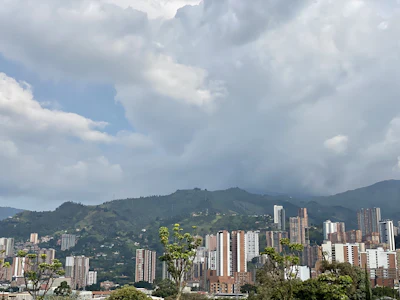
Remote Work Guide to Graz
Graz combines historical charm with modern amenities, offering a balanced lifestyle for digital nomads. Its affordable cost of living, excellent public transport, and vibrant cultural scene make it a hidden gem in Austria.
- Est. Budget
- $1410/mo
- Internet
- 80 Mbps
- Nomad Vibe
- 7/10
- Timezone
- UTC+1
📊 Remote Worker Score
Overall liveability breakdown for digital nomads.
💰 The Cost of Living
Estimated Budget: ~$1410/mo
Rent in Graz is significantly cheaper than in Vienna, with a 1-bedroom apartment averaging $750 USD. However, utilities and mandatory household insurance can add $100–$150 monthly. Eating out is affordable for Western Europe, with a main course around $13, but cooking at home saves more. Look for apartments in Lend or Geidorf for the best value and avoid tourist-centric Innere Stadt for long stays.
🌤️ Weather & Climate
Graz experiences a continental climate with cold, snowy winters and warm, sunny summers. Spring and autumn are mild but can be unpredictable, with occasional rain. The best time to visit is from May to September when temperatures are pleasant for outdoor activities. Winters are dark but festive thanks to Christmas markets. Overall, Graz has four distinct seasons, each with its own appeal.
| Season | Temp | Condition | Nomad Rating |
|---|---|---|---|
| Jan - Mar | -1 to 8°C | Cold, cloudy, occasional snow | ⭐⭐ |
| Apr - Jun | 8 to 22°C | Mild, sunny, occasional rain | ⭐⭐⭐⭐ |
| Jul - Sep | 15 to 27°C | Warm, sunny, pleasant | ⭐⭐⭐⭐⭐ |
| Oct - Dec | 3 to 12°C | Cool, crisp, occasional fog | ⭐⭐⭐ |
Plan your trip for
May - Sep
💻 Workspace & Real Connectivity
Coworking spaces like Coworking Graz and Impact Hub offer dedicated desks for around $220/month with high-speed internet. Many cafes also provide free WiFi, but they can be crowded during peak hours. Internet speeds are reliable at 80 Mbps average, sufficient for video calls and streaming. Remote workers will find the infrastructure adequate, though dedicated coworking spots are fewer than in larger hubs.
- Stability: Highly stable, rare outages
- eSIM: Available via Airalo and Holafly
- Local SIM: ~15 USD/mo for 20GB 5G
🏠 Everyday Life Essentials
Before packing your bags, here are the practical details about living in Graz. Knowing these nuances can make or break your remote setup.
🚑 Safety & Healthcare
Austria has an excellent public healthcare system, but digital nomads on short stays must carry private health insurance. The LKH Graz university hospital is top-notch, and pharmacies are well-stocked with English-speaking staff. Emergency services are reliable. For minor issues, many GPs speak English. Overall, healthcare quality is excellent, and the city is very safe with a low crime rate.
🍜 Food Scene
Austrian cuisine is hearty – try Styrian fried chicken, pumpkin seed oil dishes, and schnitzel. Dining out averages $13 for a local meal, while grocery costs are moderate. Graz has a strong farmers' market scene, especially the Kaiser-Josef-Markt. Tap water is safe and delicious, straight from the Alps. International food options are available but less diverse than in Vienna.
Local Meal Avg.
🛵 Getting Around (Transport)
Graz is highly walkable and bike-friendly, with dedicated cycle lanes throughout the city. The tram and bus network is efficient and affordable, with a monthly pass around $60. The city center is car-free in many areas, making walking pleasant. For trips to the airport, a taxi takes only 15 minutes, or a direct bus runs regularly. Traffic is moderate outside rush hours.
- Ride-hailing: Uber and Bolt available, but taxis are common
- Scooter: Not essential; bikes are more popular
- Airport: 15 mins by taxi from city center
- Traffic: Moderate, can be heavy during rush hours
Monthly Transit Budget
Estimated cost for local transport, scooter rental, or ride-hailing apps.
🛂 Visas & Nomad Taxes
Austria is part of the Schengen Area, allowing most nationalities a 90-day stay within a 180-day period. For longer stays, the Red-White-Red Card for freelancers or employees is an option, though the application process involves strict paperwork and proof of income. Digital nomads often do border runs to neighboring countries, but this is not a long-term solution. Consider working with a relocation agency to navigate the bureaucracy.
💼 Tax Landscape
Austria has high taxes (up to 55% for top earners), but digital nomads staying less than 183 days are generally not tax resident. If you stay longer, you must register and pay taxes on worldwide income. Freelancers can apply for a tax number and deduct work-related expenses. Always consult a tax advisor to avoid penalties.
Common Visas
- Schengen Tourist (90 days)
- Freelancer Visa (Rot-Weiß-Rot)
- Student Visa
🗣️ Language & Culture
Austrians value punctuality, formal greetings (Herr/Frau + surname), and direct communication. It's polite to say 'Grüß Gott' when entering a shop. Tipping 5–10% is standard in restaurants. German is the official language, and while many young people speak English, learning basic German opens doors. Sundays are quiet – most shops are closed, so plan ahead.
English Proficiency
🗺️ Best Areas for Remote Workers
| Area | Avg Rent | Noise | Walkability | Best For |
|---|---|---|---|---|
| Innere Stadt | $900/mo | Lively | 9/10 | Tourists and short stays |
| Lend | $700/mo | Lively | 8/10 | Nightlife and creatives |
| Geidorf | $800/mo | Quiet | 7/10 | Families |
| St. Leonhard | $750/mo | Quiet | 8/10 | Students and young professionals |
🏠 Everyday Life Pros & Cons
👍 Pros
- ✅ Excellent quality of life
- ✅ Affordable compared to Vienna
- ✅ Rich history and architecture
- ✅ Surrounded by nature and vineyards
- ✅ Very safe city
- ✅ Efficient public transport
👎 Cons
- ❌ Cold, dark winters
- ❌ Limited nightlife compared to Vienna
- ❌ Language barrier without German
- ❌ Bureaucratic processes can be slow
- ❌ Not a 24/7 city
- ❌ Fewer coworking spaces than larger hubs
⚠️ Common Mistakes in Graz
Avoid these beginner traps to save money and stress:
- — Not registering your address within 3 days of moving in
- — Underestimating the cold and lack of sunlight in winter
- — Not buying a public transport monthly pass – it saves money
- — Assuming everyone speaks English fluently outside tourist areas
- — Not using the excellent bike infrastructure
- — Expecting shops to be open on Sundays
- — Forgetting to get private health insurance for stays over 90 days
💬 Remote Worker Reviews
📊 Data Sources & Methodology
To ensure accuracy, the cost of living index and city data are aggregated from multiple global databases:
Internet speeds: Ookla Speedtest Global Index.
Safety & Crime: Numbeo Safety Index and global crime reports.
Air Quality (AQI): IQAir realtime data.
Budgeting: Aggregated from Numbeo, NomadList, and localized expat housing communities.
* AI analysis provided by Google AI algorithms trained on the latest remote work trends.
How does Graz compare?
Compare living costs and stats with other popular nomad destinations.