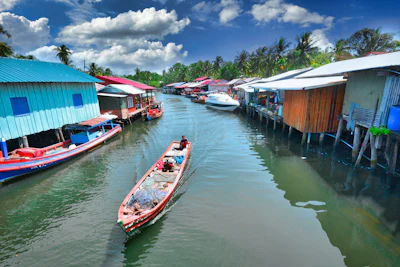
Remote Work Guide to Caye Caulker
Caye Caulker is a tiny Caribbean island paradise that attracts digital nomads seeking a slow-paced, beach-centric lifestyle. While costs can be high and internet is variable, the stunning nature and friendly community make it a unique remote work destination.
- Est. Budget
- $1530/mo
- Internet
- 15 Mbps
- Nomad Vibe
- 8/10
- Timezone
- UTC-6
📊 Remote Worker Score
Overall liveability breakdown for digital nomads.
💰 The Cost of Living
Estimated Budget: ~$1530/mo
Accommodation is the biggest expense, with a modest 1-bedroom apartment averaging $1,000 USD per month, though prices spike during high season. Eating out adds up quickly – a simple local meal costs around $12, and groceries are expensive due to island imports. Utilities (electricity, water, internet) can add another $150–200 monthly, and air conditioning is a major cost driver. To save, rent longer-term directly from locals and cook at home using the fish market.
🌤️ Weather & Climate
Caye Caulker enjoys a tropical monsoon climate with distinct wet and dry seasons. The dry season from November to April brings sunny skies, low humidity, and temperatures averaging 24–30°C, making it the best time to visit. From May to October, humidity rises and afternoon showers are common, while the peak hurricane season runs from June to November. Despite the rain, the island remains warm year-round, and brief tropical downpours often clear quickly. For optimal weather and fewer storms, plan your trip between late November and early April.
| Season | Temp | Condition | Nomad Rating |
|---|---|---|---|
| Jan - Mar | 24-30°C | Sunny, low humidity | ⭐⭐⭐⭐⭐ |
| Apr - Jun | 26-33°C | Hot, occasional showers | ⭐⭐⭐⭐ |
| Jul - Sep | 25-31°C | Rainy, hurricane risk | ⭐⭐ |
| Oct - Dec | 24-30°C | Transitional, variable | ⭐⭐⭐ |
Plan your trip for
Nov - Apr
💻 Workspace & Real Connectivity
Dedicated coworking spaces are limited on Caye Caulker, but several beachfront cafes offer decent Wi-Fi for a daily coffee fee. Internet speeds average 15 Mbps, which is sufficient for video calls but may drop during storms. Many nomads use mobile hotspots as backup; the local provider, Smart, offers prepaid data plans. For a more stable connection, consider staying at a guesthouse with fiber optic internet or investing in a portable Starlink setup.
- Stability: Occasional drops during storms
- eSIM: Limited eSIM support; local SIM recommended
- Local SIM: ~20 USD for 15GB
🏠 Everyday Life Essentials
Before packing your bags, here are the practical details about living in Caye Caulker. Knowing these nuances can make or break your remote setup.
🚑 Safety & Healthcare
Healthcare on Caye Caulker is very basic – a small clinic can handle minor ailments and injuries, but serious conditions require a water taxi to Belize City (45 minutes). The nearest hospital is the Belize Healthcare Partners in Belize City, which offers decent private care but is expensive without insurance. Digital nomads should have comprehensive travel insurance with evacuation coverage. Pharmacies stock common medications, but specialized prescriptions may need to be brought from home.
🍜 Food Scene
Belizean cuisine is a flavorful mix of Caribbean, Mexican, and Creole influences. Local staples include rice and beans, stewed chicken, and fresh seafood like lobster and conch. A typical meal at a street stall costs $5–10, while sit-down restaurants charge $12–18. Tap water is not safe to drink – always buy bottled or filter your own. Caye Caulker has a small farmers market for fresh fruit and vegetables, but most produce is imported and pricey.
Local Meal Avg.
🛵 Getting Around (Transport)
Caye Caulker is a car-free island; getting around is done on foot, by bicycle, or by golf cart. Most places are within a 15-minute walk, so walkability is high. For inter-island travel, water taxis run frequently to San Pedro (Ambergris Caye) and Belize City. Golf carts can be rented for around $50 per day but often break down – check thoroughly before renting. There is no public transit, but hitchhiking on golf carts is common and safe.
- Ride-hailing: No ride-hailing apps; use water taxis and golf carts
- Scooter: Not common; bicycles and golf carts preferred
- Airport: 45 mins via water taxi from Belize City
- Traffic: Very low; peaceful
Monthly Transit Budget
Estimated cost for local transport, scooter rental, or ride-hailing apps.
🛂 Visas & Nomad Taxes
Most nationalities can enter Belize visa-free for up to 30 days as tourists. Extensions are easy to obtain at the Immigration Office in Belize City for an additional 30 days, costing around $50 USD. There is no specific digital nomad visa, so many nomads do border runs to Mexico or Guatemala to reset their 30-day stamp. Always ensure your passport has at least six months of validity and carry proof of onward travel.
💼 Tax Landscape
Belize operates on a territorial tax system, meaning foreign-earned income is not taxed, which is excellent for digital nomads. However, if you stay longer than 183 days in a tax year, you may become a tax resident and owe taxes on Belize-source income. There is no capital gains tax, but there is a 12.5% general sales tax (GST) on goods and services. Most nomads keep their tax residency in their home country and do 30-day visa runs to avoid triggering residency.
Common Visas
- 30-day tourist visa (extendable)
- Visa-free for many countries (up to 30 days)
- Border runs to Mexico or Guatemala
🗣️ Language & Culture
Belize is a cultural melting pot with English as the official language, making it easy for nomads to communicate. Locals are friendly and laid-back, but remember that 'island time' is real – patience is key. Dress modestly when away from the beach, and always greet people with a smile. Tipping is customary (10–15% in restaurants). The main cultural celebrations include the Lobster Fest in July and the September Celebrations (independence and carnival).
English Proficiency
🗺️ Best Areas for Remote Workers
| Area | Avg Rent | Noise | Walkability | Best For |
|---|---|---|---|---|
| The Split | $1200/mo | Lively | 9/10 | Nightlife |
| Southeast Side | $900/mo | Moderate | 7/10 | Backpackers |
| North End | $800/mo | Quiet | 6/10 | Families |
| Back Streets | $700/mo | Quiet | 5/10 | Budget nomads |
🏠 Everyday Life Pros & Cons
👍 Pros
- ✅ Stunning Caribbean beaches
- ✅ Laid-back island lifestyle
- ✅ Great snorkeling and diving
- ✅ Friendly local community
- ✅ English spoken widely
- ✅ Slow pace of life
👎 Cons
- ❌ Limited internet reliability
- ❌ High cost of imported goods
- ❌ Few coworking spaces
- ❌ Limited healthcare facilities
- ❌ Expensive accommodation
- ❌ Occasional hurricane risk
⚠️ Common Mistakes in Caye Caulker
Avoid these beginner traps to save money and stress:
- — Assuming tap water is safe
- — Not bringing enough cash
- — Renting a golf cart without checking the brakes
- — Underestimating food costs
- — Not booking accommodation ahead in peak season
- — Forgetting insect repellent
- — Not having travel insurance
💬 Remote Worker Reviews
📊 Data Sources & Methodology
To ensure accuracy, the cost of living index and city data are aggregated from multiple global databases:
Internet speeds: Ookla Speedtest Global Index.
Safety & Crime: Numbeo Safety Index and global crime reports.
Air Quality (AQI): IQAir realtime data.
Budgeting: Aggregated from Numbeo, NomadList, and localized expat housing communities.
* AI analysis provided by Google AI algorithms trained on the latest remote work trends.
How does Caye Caulker compare?
Compare living costs and stats with other popular nomad destinations.