Remote Work Guide to La Paz
La Paz offers an ultra-low cost of living paired with rich Andean culture and stunning topography, but digital nomads must contend with high altitude and inconsistent internet. Budget-conscious remote workers will find excellent value, especially in neighborhoods like Sopocachi, while adapting to cash-based transactions and basic English.
- Est. Budget
- $720/mo
- Internet
- 30 Mbps
- Nomad Vibe
- 7/10
- Timezone
- UTC-4
📊 Remote Worker Score
Overall liveability breakdown for digital nomads.
💰 The Cost of Living
Estimated Budget: ~$720/mo
Monthly living costs can easily stay under $800 for a single nomad, with rent for a furnished one-bedroom apartment around $300-400 in central areas. Meals at local markets cost $3-5, and a cappuccino is about $2.50. Hidden costs include importing electronics (high taxes) and altitude-related medicine; always ask if rent includes utilities (often not). Coworking spaces charge around $100/month for a dedicated desk, and gym memberships average $30.
🌤️ Weather & Climate
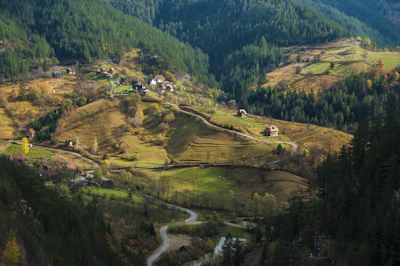
La Paz has a subtropical highland climate with mild temperatures year-round due to its elevation (3,640m). The dry winter from May to October features clear skies and cool nights, making it the best time for outdoor exploration. The rainy season (November to March) brings daily afternoon downpours and slightly warmer days. Temperatures rarely exceed 18°C, so pack layers. Altitude sickness is a real concern; plan a slow arrival.
| Season | Temp | Condition | Nomad Rating |
|---|---|---|---|
| Jan - Mar | 6-15°C | Rainy season, frequent afternoon showers | ⭐⭐⭐ |
| Apr - Jun | 4-14°C | Transitional, drier but cool | ⭐⭐⭐⭐ |
| Jul - Sep | 2-16°C | Dry winter, sunny days, cold nights | ⭐⭐⭐⭐⭐ |
| Oct - Dec | 6-17°C | Spring warming, occasional rain | ⭐⭐⭐⭐ |
Plan your trip for
May - Oct
💻 Workspace & Real Connectivity
Reliable co-inking spaces like Co-Work La Paz or Urban Station offer stable fiber internet (30-50 Mbps) and a social atmosphere, albeit occasional power cuts. Cafes like The English Pub or Café del Mundo provide decent wifi but can be crowded. For heavy video calls, invest in a backup 4G hotspot from Tigo or Entel. The altitude may affect your energy levels, so many nomads work from lower-altitude El Alto or nearby Copacabana.
- Stability: Moderate stability; occasional drops during heavy rain or protest disruptions
- eSIM: Limited eSIM support; better to buy a physical SIM from Entel or Tigo
- Local SIM: ~10 USD/mo for 10GB 4G
🏠 Everyday Life Essentials
Before packing your bags, here are the practical details about living in La Paz. Knowing these nuances can make or break your remote setup.
🚑 Safety & Healthcare
Public hospitals are basic; private clinics like Clinica La Paz or Hospital Obrero offer better care for moderate fees (e.g., $30-50 for a consultation). Pharmacies are well-stocked, but serious conditions may require evacuation to Chile or the US. Carry altitude sickness pills (Diamox) and a comprehensive travel insurance that covers high-altitude activities. The safety index is moderate; avoid walking alone at night in poorly lit areas.
🍜 Food Scene
Local food is a highlight: salteñas, anticuchos, and api morado with pastel are must-tries. A full meal at a market like Mercado Lanza costs $3-5. International cuisine is available in Sopocachi and Calacoto, but pricier. Avoid tap water—buy bottled or use a UV filter. Street food is generally safe if cooked fresh. Vegetarians will find options but may struggle with the meat-heavy diet; try quinoa dishes and soups.
Local Meal Avg.
🛵 Getting Around (Transport)
La Paz is surprisingly walkable in the city bowl, but the steep hills quickly exhaust newcomers. The Mi Teleferico cable car system is a cheap ($0.30 per ride) and scenic way to traverse the city. Buses and minibuses are abundant but chaotic; learn the routes. Getting to El Alto Airport takes 30-40 minutes by taxi (around $10) or bus ($1). Taxis are abundant but always negotiate the fare before getting in.
- Ride-hailing: No Uber; use Easy Taxi or radio taxis; negotiate fare beforehand
- Scooter: Not recommended due to high altitude, steep hills, and chaotic traffic
- Airport: 40 mins via taxi or bus from El Alto airport (13 km)
- Traffic: Heavy in the city center during rush hours; cable car avoids congestion
Monthly Transit Budget
Estimated cost for local transport, scooter rental, or ride-hailing apps.
🛂 Visas & Nomad Taxes
Most nationalities receive a 30-day tourist visa on arrival at El Alto Airport; extensions up to 90 days are possible at Migración in La Paz for about $20. For longer stays, you can apply for a 1-year temporary residency, which requires proof of income and a clean background check. Border runs to Peru or Chile are common to reset the 90-day limit, but a new rule expects travelers to hold sufficient funds.
💼 Tax Landscape
Bolivia operates a territorial tax system: you are taxed only on income earned within the country. For digital nomads working remotely for foreign companies, this typically means no local tax liability, provided you don't stay over 183 days in a year (which may trigger residency). However, you must keep proof of foreign income sources. There is no specific nomad visa, but the temporary residency can lead to tax obligations on local earnings if you engage in freelance work with Bolivian clients.
Common Visas
- 30-day tourist visa on arrival
- 90-day visa extension
- Temporary residency (1 year)
🗣️ Language & Culture
Bolivians are warm but formal; greet with 'buenos días' and shake hands. Punctuality is relaxed—events often start 30 minutes late. Dress modestly when visiting churches or indigenous communities. Spanish is essential for daily life; only a few speak English in tourist zones. Respect for Pachamama (Mother Earth) is deep; avoid littering or disrespecting sacred sites. Tipping 10% in restaurants is customary but not mandatory.
English Proficiency
🗺️ Best Areas for Remote Workers
| Area | Avg Rent | Noise | Walkability | Best For |
|---|---|---|---|---|
| Sopocachi | $400/mo | Lively | 9/10 | Nightlife and cafes |
| Calacoto | $500/mo | Quiet | 7/10 | Families and upscale living |
| San Pedro | $300/mo | Moderate | 8/10 | Budget-friendly nomads |
| Miraflores | $350/mo | Moderate | 8/10 | Young professionals |
🏠 Everyday Life Pros & Cons
👍 Pros
- ✅ Extremely low cost of living
- ✅ Unique Andean culture and markets
- ✅ Stunning high-altitude scenery
- ✅ Growing expat and digital nomad community
- ✅ Good public transport (cable cars and buses)
- ✅ Delicious and affordable local food
👎 Cons
- ❌ High altitude (3,640m) can cause sickness
- ❌ Unstable internet and frequent power cuts
- ❌ Limited English spoken outside tourist areas
- ❌ Air pollution in the city bowl
- ❌ Tap water not drinkable
- ❌ Bureaucratic visa extensions
⚠️ Common Mistakes in La Paz
Avoid these beginner traps to save money and stress:
- — Not acclimating to altitude before intense activities
- — Drinking tap water without treating it
- — Relying on credit cards; cash is king
- — Underestimating the steep hills and thin air for walking
- — Forgetting to carry a jacket—weather changes rapidly
- — Assuming all taxis are safe; use radio taxis or apps like Easy Taxi
- — Not buying a SIM card from Entel or Tigo for cheap data
💬 Remote Worker Reviews
📊 Data Sources & Methodology
To ensure accuracy, the cost of living index and city data are aggregated from multiple global databases:
Internet speeds: Ookla Speedtest Global Index.
Safety & Crime: Numbeo Safety Index and global crime reports.
Air Quality (AQI): IQAir realtime data.
Budgeting: Aggregated from Numbeo, NomadList, and localized expat housing communities.
* AI analysis provided by Google AI algorithms trained on the latest remote work trends.
How does La Paz compare?
Compare living costs and stats with other popular nomad destinations.