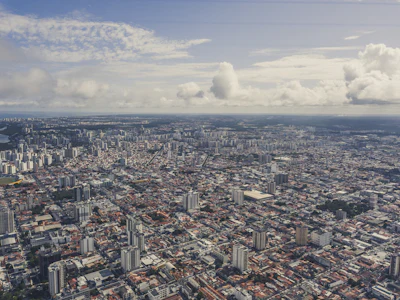
Remote Work Guide to João Pessoa
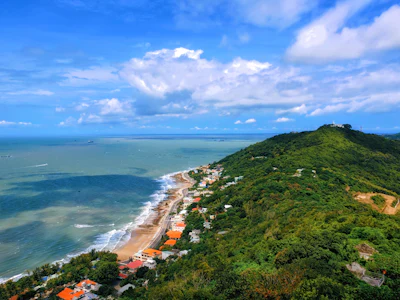
João Pessoa combines low living costs with beautiful Atlantic beaches, making it an appealing choice for remote workers seeking a laid-back lifestyle. The city is safe and has a growing digital nomad scene, though English proficiency is low and bureaucracy can be challenging.
- Est. Budget
- $680/mo
- Internet
- 50 Mbps
- Nomad Vibe
- 7/10
- Timezone
- UTC-3
📊 Remote Worker Score
Overall liveability breakdown for digital nomads.
💰 The Cost of Living
Estimated Budget: ~$680/mo
Rent for a one-bedroom apartment in a good area like Tambaú or Manaíra averages $350–$500 USD per month, but you can find cheaper options in Bessa for around $300. Utilities (electricity, water, internet) add roughly $50–$80 monthly. Eating out is cheap—a full meal at a local restaurant costs about $5—but imported goods and electronics are pricey. Hidden costs include mandatory tourist taxes for short stays (if booking via Airbnb) and occasional visa fees, so budget an extra $50 per month for unexpected expenses.
🌤️ Weather & Climate
João Pessoa has a tropical monsoon climate with warm temperatures year-round (24–32°C). The rainy season runs from April to July, with frequent afternoon showers, while the dry season from August to December offers sunny skies and lower humidity. The best time for nomads is between September and November, when the weather is most pleasant for beach work and outdoor activities. Even during the wet months, rain rarely lasts all day, so outdoor plans are usually still possible.
| Season | Temp | Condition | Nomad Rating |
|---|---|---|---|
| Jan - Mar | 28-32°C | Hot and rainy | ⭐⭐⭐ |
| Apr - Jun | 26-30°C | Rainy season | ⭐⭐ |
| Jul - Sep | 24-28°C | Mild and drier | ⭐⭐⭐⭐ |
| Oct - Dec | 27-31°C | Dry and sunny | ⭐⭐⭐⭐⭐ |
Plan your trip for
Aug - Dec
💻 Workspace & Real Connectivity
Coworking spaces in João Pessoa are modern and affordable, with dedicated desks starting at $100 USD per month. Popular spots include 'Nós Coworking' in Manaíra and 'Bossa Coworking' near the beach, both offering reliable Wi-Fi (50 Mbps average) and air conditioning. Café working is common but limited to a few spots with outlets and good speed, like 'Café com Leite' in Tambaú. Internet in residential buildings is generally stable, though power cuts can interrupt service for short periods.
- Stability: Reliable, occasional power cuts during storms
- eSIM: Available via Airalo and Holafly
- Local SIM: ~10 USD/mo for 10GB 4G
🏠 Everyday Life Essentials
Before packing your bags, here are the practical details about living in João Pessoa. Knowing these nuances can make or break your remote setup.
🚑 Safety & Healthcare
João Pessoa has both public (SUS) and private healthcare systems, with private clinics offering high-quality care at a fraction of US/EU prices. The Hospital Samaritano and Hospital Unimed are well-regarded for emergencies. Many doctors speak basic English, but for specialists, a translator or app is helpful. Pharmacies are abundant and sell most medications over the counter. As a nomad, getting international health insurance is recommended, but out-of-pocket costs are very low—a doctor visit typically costs $30–$50.
🍜 Food Scene
The local cuisine is rich in seafood, especially shrimp, tilapia, and crab, often served with coconut milk and rice. A typical 'prato feito' (set meal) costs $4–$6 and includes meat, rice, beans, salad, and farofa. Street food like tapioca crepes and acarajé are delicious and cost under $2. Tap water is not safe to drink; most people buy bottled water or use a filter. International restaurants (Italian, Japanese) are available but pricier. The freshwater is not potable, so always drink filtered or bottled water.
Local Meal Avg.
🛵 Getting Around (Transport)
João Pessoa is moderately walkable in central neighborhoods like Tambaú and Manaíra, but for longer distances you'll need a car or ride-hailing. Uber and 99 are cheap (a typical trip across town costs $3–$5) and widely available. Public buses are infrequent and confusing for non-Portuguese speakers, so most nomads rely on app rides. Renting a scooter or bike can be useful for short hops, but be cautious of traffic and potholes. The airport (JPA) is a 20-minute ride from the city center.
- Ride-hailing: Uber and 99 are widely available and cheap
- Scooter: Not essential; traffic is manageable but scooters are common for short trips
- Airport: ~30 minutes by taxi (15 km from city center)
- Traffic: Moderate during rush hours, generally calm
Monthly Transit Budget
Estimated cost for local transport, scooter rental, or ride-hailing apps.
🛂 Visas & Nomad Taxes
Brazil offers a 90-day tourist visa that can be extended for another 90 days, but you must leave the country for at least a day before reapplying. In 2023, Brazil launched a digital nomad visa allowing stays up to one year, renewable for another year—proof of remote work and sufficient income (around $1,500/month) is required. Many nomads combine the tourist visa with a quick border run to Argentina or Uruguay, but the digital nomad visa is more hassle-free for longer stays. Always check the latest rules with the Brazilian consulate, as policies can change.
💼 Tax Landscape
Brazil has a territorial tax system, meaning you are only taxed on income sourced within Brazil. Digital nomads earning from abroad do not have to pay Brazilian income tax if they stay less than 183 days per year. For longer stays, you may become a tax resident and need to declare foreign income, but the threshold for taxation is high. Many nomads avoid this by doing a visa run before hitting 183 days. Always consult a tax professional familiar with Brazilian law to avoid surprises.
Common Visas
- Tourist visa (90 days, extendable)
- Digital nomad visa (1 year)
- Permanent visa (through investment or family)
🗣️ Language & Culture
Pessoenses (locals) are warm and open, but they appreciate when foreigners make an effort to speak Portuguese. Greetings often include a kiss on the cheek (even between men) and personal space is smaller than in North America. Tipping is not mandatory, but 10% is customary in good restaurants. Dress code is casual, but avoid walking around in just swimwear outside the beach. The culture is relaxed, so schedules are fluid—don't be surprised if meetings start 15 minutes late. Learning basic Portuguese phrases like 'bom dia' and 'obrigado' goes a long way.
English Proficiency
🗺️ Best Areas for Remote Workers
| Area | Avg Rent | Noise | Walkability | Best For |
|---|---|---|---|---|
| Tambau | $500/mo | Lively | 8/10 | Nightlife & beach access |
| Cabo Branco | $600/mo | Quiet | 7/10 | Upscale living |
| Manaíra | $400/mo | Lively | 9/10 | Shopping & dining |
| Bessa | $350/mo | Quiet | 5/10 | Beach relaxation |
🏠 Everyday Life Pros & Cons
👍 Pros
- ✅ Very low cost of living
- ✅ Stunning beaches and warm weather year-round
- ✅ One of the safest state capitals in Brazil
- ✅ Friendly locals and emerging nomad community
- ✅ Good internet connectivity in most areas
- ✅ Great seafood and fresh tropical fruits
👎 Cons
- ❌ Limited English spoken outside tourist zones
- ❌ Bureaucratic challenges for long-term visas
- ❌ Public transport is infrequent and underdeveloped
- ❌ High humidity and heat can be draining
- ❌ Slow visa processing and paperwork-heavy
- ❌ Basic infrastructure in some neighborhoods
⚠️ Common Mistakes in João Pessoa
Avoid these beginner traps to save money and stress:
- — Renting a car without an international driver's license
- — Assuming everyone speaks English
- — Ignoring petty theft and leaving valuables on the beach
- — Not using a local SIM for reliable data
- — Underestimating the heat and forgetting sunscreen
- — Negotiating rent in short-term apartments without a contract
- — Missing out on tapioca and acarajé street food
💬 Remote Worker Reviews
📊 Data Sources & Methodology
To ensure accuracy, the cost of living index and city data are aggregated from multiple global databases:
Internet speeds: Ookla Speedtest Global Index.
Safety & Crime: Numbeo Safety Index and global crime reports.
Air Quality (AQI): IQAir realtime data.
Budgeting: Aggregated from Numbeo, NomadList, and localized expat housing communities.
* AI analysis provided by Google AI algorithms trained on the latest remote work trends.
How does João Pessoa compare?
Compare living costs and stats with other popular nomad destinations.