Remote Work Guide to Yaoundé
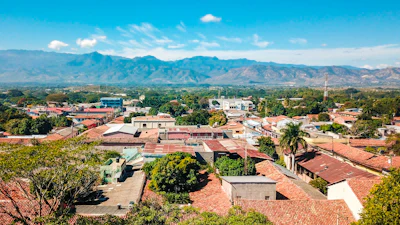
Yaoundé offers an incredibly low cost of living with a vibrant culture, but digital nomads must navigate unreliable internet and a French-speaking environment. The city's green hills and friendly locals make it an interesting base for those on a tight budget.
- Est. Budget
- $690/mo
- Internet
- 15 Mbps
- Nomad Vibe
- 6/10
- Timezone
- UTC+1
📊 Remote Worker Score
Overall liveability breakdown for digital nomads.
💰 The Cost of Living
Estimated Budget: ~$690/mo
Rent for a furnished one-bedroom apartment in a decent area ranges from $300 to $600 per month, with utilities extra. Groceries and eating out are very cheap — a local meal can be as low as $5. However, imported goods and electronics are expensive due to taxes. Always carry cash; ATMs often run out, and card acceptance is rare in smaller shops. Negotiate rent and service contracts upfront to avoid hidden fees.
🌤️ Weather & Climate
Yaoundé has a tropical wet and dry climate with two rainy seasons (March–June and September–November). The dry season from November to February offers the most pleasant conditions with lower humidity and sunny days. Average temperatures range from 20°C to 30°C year-round. The best time for outdoor activities is during the drier months, though brief afternoon showers can occur even then.
| Season | Temp | Condition | Nomad Rating |
|---|---|---|---|
| Jan - Mar | 21-30°C | Dry and sunny | ⭐⭐⭐⭐ |
| Apr - Jun | 21-27°C | Heavy rains | ⭐⭐ |
| Jul - Sep | 20-25°C | Short dry spell, then rains | ⭐⭐ |
| Oct - Dec | 21-28°C | Rains decreasing, dry by Dec | ⭐⭐⭐ |
Plan your trip for
Nov - Feb
💻 Workspace & Real Connectivity
Coworking spaces are concentrated in upscale neighborhoods like Bastos, with monthly dedicated desks around $100. Internet speeds average 15 Mbps, but outages are common, so a mobile hotspot as backup is essential. Many nomads work from cafes with reliable Wi-Fi, though power cuts can disrupt. The lack of high-speed fiber is a significant drawback for bandwidth-heavy work.
- Stability: Moderate - frequent drops during storms and power cuts
- eSIM: Limited eSIM support; local physical SIM recommended
- Local SIM: ~10 USD for 10GB data per month
🏠 Everyday Life Essentials
Before packing your bags, here are the practical details about living in Yaoundé. Knowing these nuances can make or break your remote setup.
🚑 Safety & Healthcare
Yaoundé has several public and private hospitals, but the quality varies. For serious conditions, expats often travel to Douala or abroad. Private clinics (e.g., Polyclinic Bassa) offer decent care in English, but costs can be high. It's essential to have comprehensive health insurance covering evacuation. Safety-wise, avoid walking alone at night and keep valuables hidden to deter petty theft.
🍜 Food Scene
Cameroonian cuisine is rich and flavorful, with staples like fufu, ndolé, and grilled fish. Street food is abundant and cheap, but hygiene varies — choose busy stalls. Tap water is unsafe, so always drink bottled or filtered water. Supermarkets in Bastos stock imported goods at premium prices. Local markets offer fresh produce at low costs. Eating out at local restaurants (called 'cafeterias') costs $3–$7 per meal.
Local Meal Avg.
🛵 Getting Around (Transport)
The city is moderately walkable in central areas, but hills and uneven sidewalks make it tiring. Shared taxis are the main mode of transport, costing around $1 per ride within the city. Yango (ride-hailing app) works but with limited coverage. Scooters are not recommended due to traffic and road conditions. For longer trips, consider hiring a private driver. Overall, budget about $40 per month for local transport.
- Ride-hailing: No Uber; use local shared taxis or book via Yango app
- Scooter: Not recommended due to poor road conditions and heavy traffic
- Airport: 20 minutes from city center by taxi
- Traffic: Moderate to heavy during rush hours, especially in central areas
Monthly Transit Budget
Estimated cost for local transport, scooter rental, or ride-hailing apps.
🛂 Visas & Nomad Taxes
Most nationalities get a 30-day tourist visa on arrival or can apply in advance. Extensions up to 90 days are possible through the immigration office, but the process can be slow and bureaucratic. There is no specific digital nomad visa yet, so travelers typically rely on successive tourist entries or extend locally. Border runs to neighboring countries (e.g., Equatorial Guinea) are an option but not always practical.
💼 Tax Landscape
Cameroon taxes residents on worldwide income if they stay more than 183 days. Nomads staying shorter periods are not considered tax residents and are not required to file local taxes. However, there is no specific law for digital nomads, so it's advisable to consult a local accountant. Cameroon does not have territorial tax; enforcement on foreigners is lax for short stays.
Common Visas
- Tourist visa (30 days)
- Visa on arrival (for some nationalities)
- Visa extension (up to 90 days)
🗣️ Language & Culture
Yaoundé is the political capital, with a mix of French and indigenous influences. Greetings are formal: shake hands and inquire about well-being. Dress modestly, especially outside expat areas. Tipping is not expected but appreciated. French is the lingua franca; English is very limited. Be patient with bureaucracy and 'African time' — things move slowly. Respect local customs, especially during traditional ceremonies.
English Proficiency
🗺️ Best Areas for Remote Workers
| Area | Avg Rent | Noise | Walkability | Best For |
|---|---|---|---|---|
| Mvog-Mbi | $400/mo | Quiet | 6/10 | Families |
| Bastos | $600/mo | Lively | 7/10 | Expats and nightlife |
| Nlongkak | $350/mo | Moderate | 5/10 | Central location |
| Etoudi | $300/mo | Quiet | 4/10 | Budget living |
🏠 Everyday Life Pros & Cons
👍 Pros
- ✅ Very affordable cost of living
- ✅ Rich local cuisine and street food
- ✅ Green, hilly city with pleasant climate
- ✅ Friendly and welcoming locals
- ✅ Central hub for exploring Central Africa
- ✅ Cultural festivals and markets
👎 Cons
- ❌ Unreliable internet and frequent power cuts
- ❌ Limited English speakers outside business circles
- ❌ Bureaucratic hurdles for visa extensions
- ❌ Petty crime and safety concerns at night
- ❌ Poor road conditions and traffic jams
- ❌ Scarcity of modern coworking spaces
⚠️ Common Mistakes in Yaoundé
Avoid these beginner traps to save money and stress:
- — Assuming everyone speaks English - French is essential
- — Not negotiating rent or utilities in lease agreements
- — Ignoring malaria prophylaxis and mosquito nets
- — Using taxis without confirming the price beforehand
- — Not carrying enough cash - ATMs and card payments are unreliable
- — Walking alone in quiet areas at night
- — Expecting high-speed internet for video calls without a backup plan
💬 Remote Worker Reviews
📊 Data Sources & Methodology
To ensure accuracy, the cost of living index and city data are aggregated from multiple global databases:
Internet speeds: Ookla Speedtest Global Index.
Safety & Crime: Numbeo Safety Index and global crime reports.
Air Quality (AQI): IQAir realtime data.
Budgeting: Aggregated from Numbeo, NomadList, and localized expat housing communities.
* AI analysis provided by Google AI algorithms trained on the latest remote work trends.
How does Yaoundé compare?
Compare living costs and stats with other popular nomad destinations.