Remote Work Guide to Viña del Mar
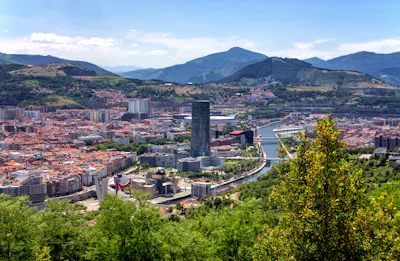
Viña del Mar offers a relaxed coastal lifestyle with affordable living and good infrastructure for remote workers. Its Mediterranean climate, safe neighborhoods, and proximity to Valparaíso make it a popular base in Chile.
- Est. Budget
- $1250/mo
- Internet
- 80 Mbps
- Nomad Vibe
- 7/10
- Timezone
- UTC-3
📊 Remote Worker Score
Overall liveability breakdown for digital nomads.
💰 The Cost of Living
Estimated Budget: ~$1250/mo
Rent for a one-bedroom apartment ranges from $450 in quieter hills to $900 in beachfront Reñaca, with utilities (electricity, water, gas) adding about $100–$150 per month. Groceries are affordable if you buy local produce, but imported goods like electronics and cheese carry heavy taxes. Eating out at a local restaurant costs around $7–$10 per meal, while a cappuccino is about $2.80. Monthly transport by bus is very cheap ($45), but owning a car adds significant fuel and insurance costs.
🌤️ Weather & Climate
The city enjoys a Mediterranean climate with warm, dry summers from December to March and mild, wet winters from June to August. Summer temperatures average 25–30°C, perfect for beach activities, while winters are cool and rainy with temps around 8–15°C. Spring (September–November) and autumn (April–May) are pleasant with moderate temperatures and fewer crowds. The best time for digital nomads is October to March, offering the most sunshine and outdoor living.
| Season | Temp | Condition | Nomad Rating |
|---|---|---|---|
| Jan - Mar | 25-30°C | Sunny and dry | ⭐⭐⭐⭐⭐ |
| Apr - Jun | 15-22°C | Mild with occasional rain | ⭐⭐⭐⭐ |
| Jul - Sep | 8-15°C | Cool and rainy | ⭐⭐⭐ |
| Oct - Dec | 15-25°C | Spring bloom, variable | ⭐⭐⭐⭐ |
Plan your trip for
Oct - Mar
💻 Workspace & Real Connectivity
Dedicated coworking spaces such as Cowork Viña and Espacio 8 offer monthly desks for around $150, with fast fiber internet (80 Mbps average) and meeting rooms. Many cafes in Viña Centro and Reñaca have reliable Wi-Fi and are laptop-friendly, though they can get noisy. Home internet is excellent and stable, with fiber widely available. For a change of scenery, Valparaíso's artistic coworking hubs are just a 20-minute bus ride away.
- Stability: Good, occasional drops during heavy rainstorms
- eSIM: Available via Airalo and Holafly
- Local SIM: ~20 USD for 20GB prepaid
🏠 Everyday Life Essentials
Before packing your bags, here are the practical details about living in Viña del Mar. Knowing these nuances can make or break your remote setup.
🚑 Safety & Healthcare
Chile has a high-quality healthcare system, and Viña del Mar has several private clinics (e.g., Clínica Viña del Mar) with English-speaking doctors. Public hospitals are adequate but can have long waits, so most expats opt for private insurance (around $60–$100/month). Pharmacies are widespread and well-stocked. Safety-wise, Viña is generally safe, but petty theft occurs in touristy areas – keep valuables secure and avoid walking alone late at night in some neighborhoods.
🍜 Food Scene
Chilean cuisine features seafood, empanadas, completo hot dogs, and pastel de choclo. A typical local lunch menu (menú del día) costs $7–$10 and includes a drink and dessert. Vegetarian options are common, and international food is available in Reñaca. Tap water is perfectly safe to drink, so avoid buying plastic bottles. Fresh markets (ferias) offer cheap fruits and vegetables – try the Feria de Viña on weekends. Street food is hygienic in busy areas.
Local Meal Avg.
🛵 Getting Around (Transport)
Viña del Mar is fairly walkable in the central areas, but the steep hills can be challenging. The local bus system (Merval) is cheap and covers most of the city, with a monthly pass around $45. For longer trips, the metro connects Viña to Valparaíso and Santiago in about 1.5 hours. Ride-hailing apps like Uber are affordable and safe. Many residents use bicycles, but the hills make it strenuous. A car is useful for exploring the coastline but parking is scarce in summer.
- Ride-hailing: Uber and Cabify are widely available
- Scooter: Not recommended due to hilly roads and limited parking
- Airport: 1.5 hours by bus from Santiago International Airport (SCL)
- Traffic: Moderate, heavy during summer and peak hours
Monthly Transit Budget
Estimated cost for local transport, scooter rental, or ride-hailing apps.
🛂 Visas & Nomad Taxes
Chile offers a specific Digital Nomad Visa that allows remote workers to stay up to one year, renewable. Alternatively, tourists can enter on a 90-day Tourist Visa (easily extendable for another 90 days), but working while on a tourist visa is technically not permitted. Border runs to Peru or Argentina are possible but the new nomad visa is strongly recommended for long-term stays. Requirements include proof of remote income, health insurance, and a clean criminal record.
💼 Tax Landscape
Chile taxes residents on worldwide income after 183 days in the country, with progressive rates up to 40%. Digital nomads on tourist or nomad visas are generally not considered tax residents if they stay fewer than 183 days per year. The Digital Nomad Visa does not automatically create tax residency – consult a specialist to avoid double taxation. Many nomads keep their tax home abroad and only pay Chilean VAT (19%) on purchases.
Common Visas
- Digital Nomad Visa
- Tourist Visa (90 days)
- Working Holiday Visa
🗣️ Language & Culture
Chileans are typically polite and formal in greetings – a handshake or a kiss on the cheek is standard. Patience is key; bureaucracy moves slowly. Public drinking is legal but frowned upon in excess. Tipping is expected at 10% in restaurants. English is not widely spoken, so learning basic Spanish phrases will greatly improve your experience. The local pace is relaxed, with a strong emphasis on family and long lunch breaks.
English Proficiency
🗺️ Best Areas for Remote Workers
| Area | Avg Rent | Noise | Walkability | Best For |
|---|---|---|---|---|
| Reñaca | $900/mo | Lively | 8/10 | Beach lovers and nightlife |
| Viña Centro | $600/mo | Moderate | 9/10 | Digital nomads on a budget |
| Miraflores | $500/mo | Quiet | 6/10 | Families and long-term stays |
| Agua Santa | $450/mo | Quiet | 4/10 | Scenic views and tranquility |
🏠 Everyday Life Pros & Cons
👍 Pros
- ✅ Beautiful beaches and coastal scenery
- ✅ Affordable cost of living compared to Santiago
- ✅ Good internet infrastructure for remote work
- ✅ Mediterranean climate with mild winters
- ✅ Close proximity to Valparaíso's culture
- ✅ Generally safe residential areas
👎 Cons
- ❌ Tourist crowds during summer months
- ❌ Limited English outside central tourist zones
- ❌ Hilly terrain can be exhausting to walk
- ❌ Occasional smog from Valparaíso industry
- ❌ Earthquake risk requires preparedness
- ❌ Imported goods can be expensive
⚠️ Common Mistakes in Viña del Mar
Avoid these beginner traps to save money and stress:
- — Underestimating earthquake preparedness (have a kit and know evacuation routes)
- — Thinking tap water is unsafe – it's perfectly drinkable
- — Not having a car to explore the nearby coastal towns efficiently
- — Renting during peak tourist season (Dec–Feb) without booking months ahead
- — Ignoring strong UV and ocean sun exposure even on cloudy days
- — Assuming everyone speaks English – basic Spanish is essential
- — Wandering into poorly lit areas at night in lower neighborhoods
💬 Remote Worker Reviews
📊 Data Sources & Methodology
To ensure accuracy, the cost of living index and city data are aggregated from multiple global databases:
Internet speeds: Ookla Speedtest Global Index.
Safety & Crime: Numbeo Safety Index and global crime reports.
Air Quality (AQI): IQAir realtime data.
Budgeting: Aggregated from Numbeo, NomadList, and localized expat housing communities.
* AI analysis provided by Google AI algorithms trained on the latest remote work trends.
How does Viña del Mar compare?
Compare living costs and stats with other popular nomad destinations.