Remote Work Guide to Ningbo
Ningbo is a hidden gem for digital nomads seeking an affordable Chinese city with modern amenities and excellent seafood. Its lower cost of living, good internet, and manageable pollution make it a solid alternative to Shanghai or Hangzhou.
- Est. Budget
- $980/mo
- Internet
- 100 Mbps
- Nomad Vibe
- 7/10
- Timezone
- UTC+8
📊 Remote Worker Score
Overall liveability breakdown for digital nomads.
💰 The Cost of Living
Estimated Budget: ~$980/mo
Rent is the biggest expense but remains affordable: a 1-bedroom apartment in a good area costs around $550/month. Eating local street food can be as low as $2-3 per meal, while Western restaurants are pricier. Utilities (electricity, water, gas) add about $50/month, and a gym membership is roughly $45. Hidden costs include VPN subscriptions ($10-15/month) and occasional air purifier filters during winter smog.
🌤️ Weather & Climate
Ningbo has a humid subtropical climate with four distinct seasons. Winters are cold and damp with temperatures near freezing, while summers are hot and humid with frequent typhoons from July to September. Spring and autumn are the most pleasant, with mild temperatures and lower rainfall. The best time to visit is from September to November, when the weather is cool and dry, perfect for exploring the city.
| Season | Temp | Condition | Nomad Rating |
|---|---|---|---|
| Jan - Mar | 2-12°C | Cold, overcast with occasional rain | ⭐⭐⭐ |
| Apr - Jun | 14-26°C | Mild spring with increasing humidity | ⭐⭐⭐⭐ |
| Jul - Sep | 25-35°C | Hot, humid with typhoon risks | ⭐⭐ |
| Oct - Dec | 10-22°C | Cool, dry and pleasant | ⭐⭐⭐⭐⭐ |
Plan your trip for
Sep - Nov
💻 Workspace & Real Connectivity
Coworking spaces like 'Ningbo Work+' and 'Bee+’ offer dedicated desks for around $150/month with reliable fiber internet (100 Mbps average). Many cafes also provide free Wi-Fi, though speeds vary. For video calls, a backup VPN is essential due to the Great Firewall. The city has a growing number of laptop-friendly cafes in the Haishu and Yinzhou districts.
- Stability: Highly stable with fiber-optic broadband; rare outages
- eSIM: Available via Airalo and Holafly; works with VPN
- Local SIM: ~10 USD/mo for 50GB 5G data
🏠 Everyday Life Essentials
Before packing your bags, here are the practical details about living in Ningbo. Knowing these nuances can make or break your remote setup.
🚑 Safety & Healthcare
Ningbo has several international-standard hospitals, such as Ningbo Medical Center and the Li Huili Hospital, with English-speaking staff in some departments. Medical costs are low compared to the West: a doctor visit costs around $20. For serious emergencies, evacuation to Shanghai may be necessary. The city is very safe, with low crime rates, though petty theft can occur in crowded areas.
🍜 Food Scene
Ningbo is famous for its seafood, especially crab, clams, and yellow croaker. Local dishes like 'Ningbo tangyuan' (sweet rice balls) and 'stinky tofu' are must-tries. Street food is abundant and safe, though avoid uncooked items from stalls. Tap water is not potable, so always drink boiled or bottled water. International cuisine is available but limited; most restaurants are Chinese.
Local Meal Avg.
🛵 Getting Around (Transport)
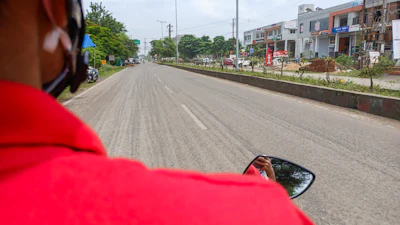
Ningbo’s metro system (Lines 1-4) covers key areas efficiently, and a monthly pass costs about $30. Buses are cheap but slower. For short trips, Didi ride-hailing is convenient and affordable (most rides under $5). The city is fairly walkable in the downtown core, but owning a scooter is not recommended due to complex registration and traffic rules.
- Ride-hailing: Didi is the primary service; widely available
- Scooter: Not recommended due to traffic and licensing issues
- Airport: 20 km from city center; 40 mins by metro or taxi
- Traffic: Moderate congestion during rush hours, manageable
Monthly Transit Budget
Estimated cost for local transport, scooter rental, or ride-hailing apps.
🛂 Visas & Nomad Taxes
Most digital nomads enter on a 30-day tourist visa (L visa) but can extend for another 30 days at the PSB. For longer stays, a work visa (Z visa) requires employer sponsorship, and many nomads opt for border runs to Hong Kong or nearby countries. Note that visa-free transit (144 hours) is available for certain nationalities if traveling onward, but does not allow remote work officially.
💼 Tax Landscape
China taxes residents on worldwide income if they stay more than 183 days in a calendar year. However, digital nomads on tourist visas are technically not allowed to work, so tax obligations are often ignored in practice. For those with work visas, the personal income tax rate is progressive (up to 45%) but deductions and allowances exist. Many nomads limit their stay to 90 days to avoid tax residency.
Common Visas
- Tourist Visa (L)
- Work Visa (Z)
- Student Visa (X)
🗣️ Language & Culture
Ningbo locals are generally reserved but polite. Greetings with a simple 'ni hao' and a nod suffice. Avoid pointing or raising your voice, as this is considered rude. English is not widely spoken outside tourist zones, so learning basic Mandarin phrases (like 'xie xie' for thank you) goes a long way. Toasting with baijiu (liquor) is common at business dinners.
English Proficiency
🗺️ Best Areas for Remote Workers
| Area | Avg Rent | Noise | Walkability | Best For |
|---|---|---|---|---|
| Haishu District (Downtown) | $600/mo | Lively | 9/10 | Nightlife and shopping |
| Yinzhou District | $500/mo | Moderate | 8/10 | Families and expats |
| Beilun District | $400/mo | Quiet | 6/10 | Budget living and port access |
| Jiangbei District | $550/mo | Moderate | 7/10 | Historical areas and parks |
🏠 Everyday Life Pros & Cons
👍 Pros
- ✅ Affordable cost of living compared to top-tier Chinese cities
- ✅ Excellent seafood and local cuisine
- ✅ Modern infrastructure with decent metro system
- ✅ Low pollution relative to other industrial hubs
- ✅ Rich cultural heritage and scenic waterfront
- ✅ Good healthcare facilities at reasonable prices
👎 Cons
- ❌ Limited English proficiency outside expat circles
- ❌ Air quality can dip in winter due to smog
- ❌ Internet restrictions require VPN setup
- ❌ LGBTQ+ acceptance is low and public displays discouraged
- ❌ Bureaucratic hurdles for long-term visa extensions
- ❌ Summer humidity and typhoon season can be challenging
⚠️ Common Mistakes in Ningbo
Avoid these beginner traps to save money and stress:
- — Not installing a VPN before arriving in China
- — Assuming tap water is drinkable (always buy bottled or boil)
- — Relying on English menus without using translation apps
- — Forgetting to register with local police within 24 hours of arrival
- — Taking taxis without using Didi app (overpriced otherwise)
- — Ignoring typhoon warnings during summer months
- — Living too far from a metro station without a scooter
💬 Remote Worker Reviews
📊 Data Sources & Methodology
To ensure accuracy, the cost of living index and city data are aggregated from multiple global databases:
Internet speeds: Ookla Speedtest Global Index.
Safety & Crime: Numbeo Safety Index and global crime reports.
Air Quality (AQI): IQAir realtime data.
Budgeting: Aggregated from Numbeo, NomadList, and localized expat housing communities.
* AI analysis provided by Google AI algorithms trained on the latest remote work trends.
How does Ningbo compare?
Compare living costs and stats with other popular nomad destinations.