Remote Work Guide to Tianjin
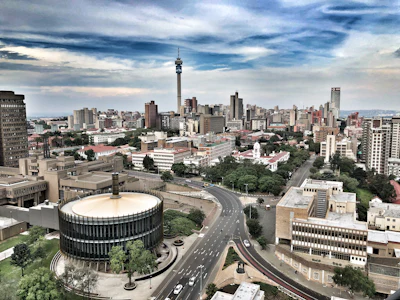
Tianjin offers a budget-friendly lifestyle with modern infrastructure and rich cultural heritage, making it an underrated base for digital nomads. Its proximity to Beijing adds convenience, but the language barrier and internet restrictions require preparation.
- Est. Budget
- $830/mo
- Internet
- 100 Mbps
- Nomad Vibe
- 7/10
- Timezone
- UTC+8
📊 Remote Worker Score
Overall liveability breakdown for digital nomads.
💰 The Cost of Living
Estimated Budget: ~$830/mo
Rent is the biggest expense, with a one-bedroom apartment averaging $500 per month, cheaper in suburbs like Tanggu. Utilities, including internet and heating, add around $100 monthly. Eating local street food costs as little as $5 per meal, while Western restaurants double that. Hidden costs include tips for agents to find apartments (half a month’s rent) and mandatory winter heating fees.
🌤️ Weather & Climate
Tianjin has a humid continental climate with four distinct seasons. Winters are cold and dry, with temperatures often dropping below freezing and occasional snow. Summers are hot and humid, with frequent rain from June to August. Spring and autumn are the most pleasant times, with mild temperatures and lower humidity. The best months to visit are April through June and September through October.
| Season | Temp | Condition | Nomad Rating |
|---|---|---|---|
| Jan - Mar | -5 to 10°C | Cold, dry, occasional snow | ⭐⭐ |
| Apr - Jun | 12 to 28°C | Mild spring, pleasant with some rain | ⭐⭐⭐⭐ |
| Jul - Sep | 22 to 32°C | Hot, humid, heavy rainfall | ⭐⭐⭐ |
| Oct - Dec | 2 to 18°C | Cool and crisp autumn, little rain | ⭐⭐⭐⭐ |
Plan your trip for
Apr - Jun
💻 Workspace & Real Connectivity
Coworking spaces are limited compared to Beijing, with monthly dedicated desks around $150. Many nomads work from cafés like Starbucks or local chains, but reliable Wi-Fi is common. Home internet speeds average 100 Mbps and are stable. For a change of pace, the Beijing coworking scene is just 30 minutes away by high-speed train.
- Stability: Highly stable, rare outages
- eSIM: Available via Airalo/Holafly but limited; local SIM is cheaper
- Local SIM: ~10 USD/mo for 50GB 5G
🏠 Everyday Life Essentials
Before packing your bags, here are the practical details about living in Tianjin. Knowing these nuances can make or break your remote setup.
🚑 Safety & Healthcare
Tianjin has excellent public and private hospitals, with international clinics in Heping and Hexi. Consultation fees at private hospitals are around $50-$100. Pharmacies are plentiful and stock most medications. Ambulance response is efficient, but services are generally in Chinese; bring a translator or use hospital-appointed interpreters. The city is generally safe, with low violent crime.
🍜 Food Scene
Tianjin is famous for its street food, especially Goubuli steamed buns, Tianjin pancakes (jianbing), and fried dough twists. A local meal costs around $5, while a nice restaurant meal is $15-$20. Tap water is not safe; drink bottled or boiled water. The city offers a wide range of international cuisines, but Asian and Western options are more limited than in first-tier cities.
Local Meal Avg.
🛵 Getting Around (Transport)
The Tianjin Metro is modern, clean, and covers most areas, with a single ride costing $0.30. Buses are even cheaper but slower. Taxis start at $1.50, and ride-hailing via Didi is widely used. The city is walkable in central districts, but the large area makes metro or bike-sharing essential. High-speed trains connect to Beijing in 30 minutes.
- Ride-hailing: Didi is widely used and affordable
- Scooter: Not recommended due to cold winters and strict traffic rules
- Airport: 20 km from city center, 40 mins via metro/taxi
- Traffic: Moderate – heavy during rush hours but manageable
Monthly Transit Budget
Estimated cost for local transport, scooter rental, or ride-hailing apps.
🛂 Visas & Nomad Taxes
China offers tourist (L) visas typically valid for 30 days, extendable once within the country. Business (M) and student (X) visas allow longer stays. There is no official digital nomad visa; many nomads use tourist visas and do border runs to Hong Kong or Macau or nearby countries like South Korea. Overstaying is strictly penalized, so careful planning is required.
💼 Tax Landscape
China taxes residents on worldwide income if they stay over 183 days. However, many digital nomads use tourist visas and keep their home country tax residency. There is no specific nomad tax exemption, but short stays under 183 days avoid Chinese tax liability. Professional advice is recommended, as enforcement varies by city.
Common Visas
- Tourist visa (L)
- Business visa (M)
- Student visa (X)
🗣️ Language & Culture
Tianjin has a unique local culture known for its humor, opera, and martial arts. Politeness and saving face are important – avoid public confrontations. Mandarin is the main language; learning basic phrases like 'hello' (nǐ hǎo) and 'thank you' (xiè xiè) is appreciated. Tipping is not customary. Dress modestly in temples and respect local customs.
English Proficiency
🗺️ Best Areas for Remote Workers
| Area | Avg Rent | Noise | Walkability | Best For |
|---|---|---|---|---|
| Heping | $600/mo | Lively | 9/10 | Nightlife & Dining |
| Hexi | $500/mo | Moderate | 8/10 | Expats & Students |
| Nankai | $450/mo | Quiet | 7/10 | Families |
| Tanggu (Binhai) | $400/mo | Quiet | 5/10 | Budget Living |
🏠 Everyday Life Pros & Cons
👍 Pros
- ✅ Affordable cost of living compared to Beijing
- ✅ Excellent public transportation network
- ✅ Rich history and cultural attractions
- ✅ Good healthcare facilities
- ✅ Delicious local cuisine like Goubuli baozi
- ✅ Cleaner air than many Chinese megacities
👎 Cons
- ❌ Limited English spoken outside expat circles
- ❌ Harsh winters with cold winds
- ❌ Air quality can still be poor in winter
- ❌ Fewer coworking spaces than first-tier cities
- ❌ Visa restrictions require regular renewals
- ❌ Internet censorship requires VPN setup
⚠️ Common Mistakes in Tianjin
Avoid these beginner traps to save money and stress:
- — Assuming everyone speaks English – download a translation app before you arrive
- — Not setting up WeChat and Alipay, which are essential for payments
- — Overlooking the need for a reliable VPN for internet access
- — Renting an apartment without checking for winter heating (northern China is cold)
- — Underestimating the size of the city – distances are large, use the metro
- — Ignoring visa rules – overstaying can lead to fines and bans
- — Thinking tap water is drinkable – always buy bottled or use a filter
💬 Remote Worker Reviews
📊 Data Sources & Methodology
To ensure accuracy, the cost of living index and city data are aggregated from multiple global databases:
Internet speeds: Ookla Speedtest Global Index.
Safety & Crime: Numbeo Safety Index and global crime reports.
Air Quality (AQI): IQAir realtime data.
Budgeting: Aggregated from Numbeo, NomadList, and localized expat housing communities.
* AI analysis provided by Google AI algorithms trained on the latest remote work trends.
How does Tianjin compare?
Compare living costs and stats with other popular nomad destinations.