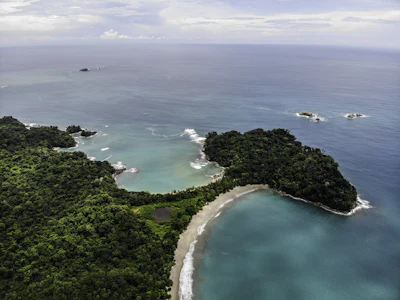
Remote Work Guide to Tamarindo
Tamarindo is a vibrant beach town on Costa Rica's Pacific coast, popular with surfers and digital nomads for its reliable dry season and strong expat community. However, it comes with a higher cost of living and infrastructure challenges like limited public transport and occasional internet issues.
- Est. Budget
- $1500/mo
- Internet
- 30 Mbps
- Nomad Vibe
- 8/10
- Timezone
- UTC-6
📊 Remote Worker Score
Overall liveability breakdown for digital nomads.
💰 The Cost of Living
Estimated Budget: ~$1500/mo
The average rent for a one-bedroom apartment in Tamarindo is around $850 per month, but prices can double during the high season (Dec–Apr). Expect to pay $3.50 for a cappuccino and $10 for a local meal. Coworking memberships average $220/month for a dedicated desk. Hidden costs include bottled water, higher electricity bills due to AC, and expensive imported goods. Long-term rentals negotiated directly with landlords can reduce housing costs significantly.
🌤️ Weather & Climate
Tamarindo has a tropical wet and dry climate with a distinct dry season from December to April, offering near-daily sunshine and perfect beach conditions. The green season (May to November) brings heavy rain, especially in September and October, but also lush landscapes and fewer tourists. Temperatures range from 25°C to 34°C year-round, with high humidity. The best time for digital nomads is December through April, though prices spike during this period.
| Season | Temp | Condition | Nomad Rating |
|---|---|---|---|
| Jan - Mar | 26-33°C | Sunny and dry | ⭐⭐⭐⭐⭐ |
| Apr - Jun | 27-34°C | Hot, transitioning to rainy | ⭐⭐⭐ |
| Jul - Sep | 25-31°C | Rainy with heavy downpours | ⭐⭐ |
| Oct - Dec | 25-30°C | Rainy beginning, then drying out | ⭐⭐⭐ |
Plan your trip for
Dec - Apr
💻 Workspace & Real Connectivity
Tamarindo has several coworking spaces like Selina and Tamarindo Cowork, offering reliable 30 Mbps internet and a social atmosphere. Many cafes like Pico Bistro and El Coconut also cater to remote workers with strong WiFi. However, during wet season storms, internet can become unstable, so a backup hotspot is advisable. Some accommodations include dedicated work areas, but dedicated coworking is recommended for networking.
- Stability: Moderate; occasional drops during storms and high winds
- eSIM: Available via Airalo and Holafly (Kolbi network)
- Local SIM: ~25 USD for 20GB prepaid from Kolbi or Claro
🏠 Everyday Life Essentials
Before packing your bags, here are the practical details about living in Tamarindo. Knowing these nuances can make or break your remote setup.
🚑 Safety & Healthcare
Tamarindo has a small public clinic (Ebais) for basic care, but serious issues require a trip to Liberia (1 hour) or San José (4 hours). Private clinics like Hospital CIMA offer better services but are expensive. Many digital nomads purchase international health insurance. The safety index is moderate; petty theft like bag snatching can occur, so avoid walking alone on deserted beaches at night.
🍜 Food Scene
Tamarindo's food scene ranges from local sodas serving casado (rice, beans, meat, salad) for $10 to upscale international restaurants averaging $20-30 per meal. Seafood is excellent and fresh. Street food is safe but stick to busy vendors. Tap water is not potable, so always buy bottled or filtered water. The local supermarket carries imported goods at premium prices.
Local Meal Avg.
🛵 Getting Around (Transport)
Tamarindo is moderately walkable in the central area, but most residential areas and beaches like Playa Grande require a car, scooter, or taxi. Public buses are limited and run infrequently. Renting a scooter is the most common and affordable option (around $200/month), but ensure you have an international driver's license. Taxis are available but can be expensive for longer trips.
- Ride-hailing: No Uber or DiDi; use local taxis or shuttle services
- Scooter: Highly recommended for getting around town and nearby beaches
- Airport: 65 km from Liberia Airport, about 1 hour by taxi
- Traffic: Heavy during peak tourist season; otherwise moderate
Monthly Transit Budget
Estimated cost for local transport, scooter rental, or ride-hailing apps.
🛂 Visas & Nomad Taxes
Most nationalities get a 90-day tourist stamp upon arrival, which can be extended for an additional 90 days by leaving the country (visa run to Nicaragua or Panama) or applying for an extension. Since 2022, Costa Rica offers a Remote Worker Visa that allows up to one year of stay, requiring proof of remote income and health insurance. Many digital nomads opt for border runs, but the new visa provides more stability.
💼 Tax Landscape
Costa Rica operates a territorial tax system, so income earned abroad (by digital nomads staying less than 183 days) is not taxed locally. However, if you stay longer and become a tax resident, you may owe taxes on Costa Rican-sourced income. The Remote Worker Visa does not change this. Always consult a tax professional, as countries like the US still require worldwide income reporting.
Common Visas
- Tourist visa (90 days)
- Extension (visa run every 90 days)
- Remote Worker Visa (1 year)
🗣️ Language & Culture
The vibe in Tamarindo is laid-back and tourist-friendly, but it's essential to respect local customs – greet with 'buenos días/tardes', be patient, and avoid public displays of wealth. Spanish is widely spoken, but English is common in tourist areas. Tipping 10% in restaurants is customary. The town has a strong surf culture, and beach etiquette (no loud music, respect the lineup) is appreciated.
English Proficiency
🗺️ Best Areas for Remote Workers
| Area | Avg Rent | Noise | Walkability | Best For |
|---|---|---|---|---|
| Tamarindo Center | $900/mo | Lively | 8/10 | Nightlife |
| Playa Langosta | $750/mo | Quiet | 5/10 | Families |
| Playa Grande | $650/mo | Quiet | 4/10 | Surfers |
| Villagio | $800/mo | Moderate | 6/10 | Long-term renters |
🏠 Everyday Life Pros & Cons
👍 Pros
- ✅ World-class surfing and beaches
- ✅ Lively expat and digital nomad community
- ✅ Abundant yoga and wellness activities
- ✅ Dry season sunshine from December to April
- ✅ Good selection of international restaurants
- ✅ Close to national parks and eco-adventures
👎 Cons
- ❌ High cost of living compared to other Costa Rican towns
- ❌ Limited public transportation; need a car or scooter
- ❌ Tap water not drinkable, must buy bottled
- ❌ Touristy and crowded during peak season
- ❌ Slow internet during heavy rain and storms
- ❌ Expensive accommodation, especially during high season
⚠️ Common Mistakes in Tamarindo
Avoid these beginner traps to save money and stress:
- — Drinking tap water without boiling or filtering
- — Renting a scooter without an international driver's license
- — Underestimating the cost of living, especially during high season
- — Not booking accommodation in advance for December to March
- — Forgetting to bring enough cash; ATMs often run out
- — Assuming Uber works – use local taxis or rent a car
- — Overlooking the importance of a good internet backup plan
💬 Remote Worker Reviews
📊 Data Sources & Methodology
To ensure accuracy, the cost of living index and city data are aggregated from multiple global databases:
Internet speeds: Ookla Speedtest Global Index.
Safety & Crime: Numbeo Safety Index and global crime reports.
Air Quality (AQI): IQAir realtime data.
Budgeting: Aggregated from Numbeo, NomadList, and localized expat housing communities.
* AI analysis provided by Google AI algorithms trained on the latest remote work trends.
How does Tamarindo compare?
Compare living costs and stats with other popular nomad destinations.