Remote Work Guide to Puerto Plata
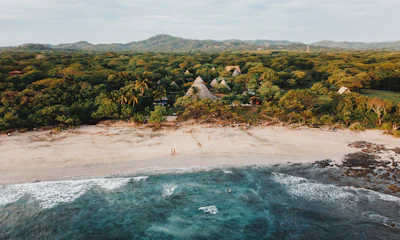
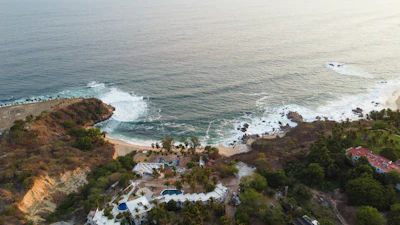
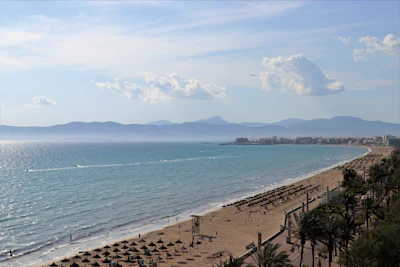
Puerto Plata offers a low-cost, laid-back Caribbean lifestyle with beautiful beaches and a small but growing digital nomad scene. However, unreliable internet, frequent power cuts, and limited coworking spaces mean you'll need patience and a backup plan.
- Est. Budget
- $1280/mo
- Internet
- 30 Mbps
- Nomad Vibe
- 7/10
- Timezone
- UTC-4
📊 Remote Worker Score
Overall liveability breakdown for digital nomads.
💰 The Cost of Living
Estimated Budget: ~$1280/mo
Rent is the biggest expense, with a furnished one-bedroom in a good area costing $500–700 per month. Utilities (electricity, water, internet) add another $100–150, and electricity can spike if you run AC frequently. Eating out is cheap – a local meal costs $5–10, and groceries are affordable if you buy from local markets. Hidden costs include tips (10% expected in restaurants) and unofficial 'tourist prices' at some stalls. Always negotiate long-term rentals directly with landlords to get the best deal.
🌤️ Weather & Climate
Puerto Plata has a tropical monsoon climate with warm temperatures year-round. The dry season runs from December to April, offering sunny skies and pleasant breezes – the best time to visit. From June to November, the rainy season brings high humidity and the risk of hurricanes, though storms are often short and intense. Even during rainy months, there are plenty of sunny days, but plan for sudden downpours. Overall, the climate is ideal for beach and outdoor activities if you time your stay well.
| Season | Temp | Condition | Nomad Rating |
|---|---|---|---|
| Jan - Mar | 22-28°C | Sunny, low humidity | ⭐⭐⭐⭐⭐ |
| Apr - Jun | 24-30°C | Humid, occasional showers | ⭐⭐⭐⭐ |
| Jul - Sep | 25-32°C | Rainy, hurricane risk | ⭐⭐ |
| Oct - Dec | 23-29°C | Variable, some rain and wind | ⭐⭐⭐ |
Plan your trip for
Nov - Apr
💻 Workspace & Real Connectivity
Dedicated coworking spaces in Puerto Plata are limited – the main one is 'Work & Play' near Playa Dorada, offering monthly desks around $150 with decent internet. Many nomads work from cafes with Wi-Fi, such as Cafe Cito or El Paseo, but speeds are inconsistent. The best bet is to rent an apartment with a reliable fiber connection (Claro or Altice) and use a backup mobile hotspot. For serious work, consider staying in a area with stable power, as outages can disrupt work. Overall, the lack of coworking infrastructure is the city's biggest downside for nomads.
- Stability: Moderate – occasional drops during storms and power cuts; backup recommended
- eSIM: Available via Airalo, Holafly, and local providers like Claro
- Local SIM: ~15 USD per month for 10GB; unlimited plans ~30 USD
🏠 Everyday Life Essentials
Before packing your bags, here are the practical details about living in Puerto Plata. Knowing these nuances can make or break your remote setup.
🚑 Safety & Healthcare
Healthcare in Puerto Plata is adequate for routine care, with a few private clinics (e.g., Centro Médico Cabral) offering good service. For major procedures or specialists, you'll need to travel to Santiago (1.5 hours) or Santo Domingo (3 hours). Pharmacies are well-stocked and affordable. Emergency response is slower than in developed countries, so having travel insurance with evacuation coverage is recommended. Overall, healthcare is rated 'Average' – sufficient for healthy nomads but not for those with chronic conditions.
🍜 Food Scene
Dominican cuisine is hearty and flavorful – try 'mofongo' (fried plantains), 'bandera' (rice, beans, meat), and fresh fish. Local meals cost $5–10 at comedores (small restaurants). Street food is safe if cooked in front of you, but avoid raw vegetables and tap water. Bottled water is cheap and widely available. Fruits and vegetables are abundant and inexpensive at markets. The city has a few international restaurants (Italian, Spanish) for variety. Overall, eating well on a budget is very easy here.
Local Meal Avg.
🛵 Getting Around (Transport)
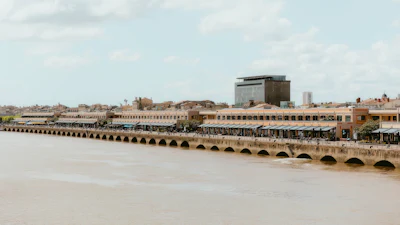
Puerto Plata is moderately walkable in the center and along the Malecon, but many neighborhoods and beaches require a vehicle. Public transport consists of 'guaguas' (shared vans) and motoconchos (motorcycle taxis), which are cheap but chaotic and not very safe for luggage. Renting a car is common among long-term nomads, costing around $400–600/month including insurance. Taxis are expensive for short trips, so negotiating fixed fares is wise. Overall, having a scooter or car is almost essential for exploring outside the city core.
- Ride-hailing: Uber is not available; use local taxis or apps like Indriver and Apolo
- Scooter: Not recommended due to poor road conditions and heavy traffic in town
- Airport: 15 km, about 20 mins by taxi from Puerto Plata airport (POP)
- Traffic: Moderate – congested near the Malecon on weekends, otherwise manageable
Monthly Transit Budget
Estimated cost for local transport, scooter rental, or ride-hailing apps.
🛂 Visas & Nomad Taxes
Most nationalities receive a 30-day tourist visa upon arrival, which can be extended for another 30 days at the migration office in Puerto Plata or Santo Domingo for a small fee (around $30). For longer stays, many nomads do a border run to Haiti or take a short flight to a nearby island (e.g., Turks & Caicos). The Dominican Republic does not yet have a formal digital nomad visa, but extensions and visa runs are straightforward. Be sure to keep your entry card (tarjeta de turista) safe, as you'll need it to leave.
💼 Tax Landscape
The Dominican Republic operates a territorial tax system, meaning you are only taxed on income earned within the country. Foreign-sourced income for digital nomads is generally not taxed if you stay less than 183 days per year. There is no formal digital nomad visa, but you can stay on tourist visas with extensions. However, if you exceed 183 days or establish residency, you become a tax resident and must file. Consult a local accountant to avoid pitfalls. Overall, the tax situation is favorable for short-term nomads.
Common Visas
- Tourist visa (30 days, extendable to 60)
- Visa extension via migration office
- Border run to Haiti or other Caribbean islands
🗣️ Language & Culture
Dominican culture is warm, friendly, and family-oriented. Greetings are important – a handshake or a kiss on the cheek (for women) is standard. Spanish is the primary language; English is understood only in tourist zones, so learning basic phrases will go a long way. The pace of life is slower ('tranquilo'), so patience is needed for service and bureaucracy. Dress modestly when not at the beach, and avoid discussing politics or sensitive topics. Embrace the local music (merengue, bachata) and you'll be welcomed.
English Proficiency
🗺️ Best Areas for Remote Workers
| Area | Avg Rent | Noise | Walkability | Best For |
|---|---|---|---|---|
| Playa Dorada | $700/mo | Quiet | 6/10 | Beach lovers, families |
| El Cofresi | $550/mo | Lively | 5/10 | Nightlife, budget nomads |
| Malecon (waterfront) | $650/mo | Lively | 8/10 | Socializing, ocean views |
| San Felipe (historic center) | $400/mo | Quiet | 7/10 | Culture, long-term stays |
🏠 Everyday Life Pros & Cons
👍 Pros
- ✅ Stunning beaches and year-round warmth
- ✅ Very low cost of living compared to North America/Europe
- ✅ Friendly and welcoming local population
- ✅ Delicious fresh seafood and Dominican cuisine
- ✅ Growing digital nomad community in coastal areas
- ✅ Affordable long-term rental options
👎 Cons
- ❌ Limited coworking spaces with inconsistent internet
- ❌ Frequent power outages and occasional water shortages
- ❌ Public transport is unreliable; a rental car is often needed
- ❌ Healthcare is basic; serious issues require travel to Santiago or Santo Domingo
- ❌ Hurricane season (June–November) can disrupt travel
- ❌ Spanish language barrier for non-speakers
⚠️ Common Mistakes in Puerto Plata
Avoid these beginner traps to save money and stress:
- — Renting an apartment without checking the AC and water pressure first
- — Assuming tap water is safe to drink – always buy bottled or filter
- — Not bargaining at local markets or for long-term rentals
- — Driving without an international driver’s permit or adequate insurance
- — Underestimating the heat and humidity – pack light, breathable clothing
- — Relying solely on public transport; taxis and ride-hailing are expensive for daily use
- — Not applying mosquito repellent, especially during rainy season
💬 Remote Worker Reviews
📊 Data Sources & Methodology
To ensure accuracy, the cost of living index and city data are aggregated from multiple global databases:
Internet speeds: Ookla Speedtest Global Index.
Safety & Crime: Numbeo Safety Index and global crime reports.
Air Quality (AQI): IQAir realtime data.
Budgeting: Aggregated from Numbeo, NomadList, and localized expat housing communities.
* AI analysis provided by Google AI algorithms trained on the latest remote work trends.
How does Puerto Plata compare?
Compare living costs and stats with other popular nomad destinations.