Remote Work Guide to Guayaquil
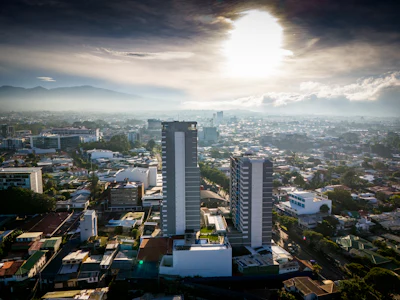
Guayaquil offers a low cost of living with a warm climate, making it a budget-friendly base for remote workers. The city combines urban energy with easy access to Ecuadorian coast and nature.
- Est. Budget
- $850/mo
- Internet
- 55 Mbps
- Nomad Vibe
- 7/10
- Timezone
- UTC-5
📊 Remote Worker Score
Overall liveability breakdown for digital nomads.
💰 The Cost of Living
Estimated Budget: ~$850/mo
Rent is the biggest expense, with a one-bedroom in a good area averaging $400–$500. Utilities like electricity can spike if you run A/C constantly, budget an extra $60–$100 per month. Eating out is cheap – a local lunch menu (almuerzo) costs around $3.50–$5. Groceries are also affordable, especially fresh produce. Hidden costs include higher prices for imported goods and the need for bottled water.
🌤️ Weather & Climate
Guayaquil has a tropical monsoon climate with a distinct wet season from January to April and a dry, cooler season from June to December. The dry months of July through September are the most comfortable for outdoor activities due to lower humidity and milder temperatures. Even in the wet season, mornings are often sunny with afternoon downpours. The best time to visit is during the dry season when skies are clearer and walking around is more enjoyable.
| Season | Temp | Condition | Nomad Rating |
|---|---|---|---|
| Jan - Mar | 25-32°C | Wet, high humidity, frequent rain | ⭐⭐ |
| Apr - Jun | 24-30°C | Transition, decreasing rain, still humid | ⭐⭐⭐ |
| Jul - Sep | 22-28°C | Dry season, cooler breezes, pleasant | ⭐⭐⭐⭐⭐ |
| Oct - Dec | 23-30°C | Start of humid heat, light showers | ⭐⭐⭐⭐ |
Plan your trip for
Jun - Dec
💻 Workspace & Real Connectivity
Coworking spaces are concentrated in Urdesa and Kennedy, with monthly dedicated desks ranging from $130 to $170. Internet speeds average 50–60 Mbps, but reliability varies; look for spaces with backup generators. Many cafes offer free WiFi, though speeds can be slow during peak hours. For serious work, a dedicated coworking membership is recommended for stability and networking.
- Stability: Generally stable with occasional drops during heavy storms
- eSIM: Limited eSIM support; physical SIM from Claro or Movistar recommended
- Local SIM: ~15 USD/mo for 20GB 4G data
🏠 Everyday Life Essentials
Before packing your bags, here are the practical details about living in Guayaquil. Knowing these nuances can make or break your remote setup.
🚑 Safety & Healthcare
Guayaquil has several private hospitals like Hospital Clínica Kennedy and Hospital Monte Sinaí, offering decent care at a fraction of US costs. Public healthcare is overburdened, so most expats use private clinics and buy international health insurance. Pharmacies are abundant and many medications are available without a prescription. Safety is a concern in certain neighborhoods; avoid walking alone at night and use trusted transport.
🍜 Food Scene
Guayaquil is a seafood paradise – ceviche, encebollado, and corviche are local staples. Street food is cheap and tasty, but be cautious with raw or undercooked items to avoid stomach issues. International cuisine is available in expat areas but pricier. Tap water is unsafe, so always drink bottled or filtered water; many locals boil water as well.
Local Meal Avg.
🛵 Getting Around (Transport)
The city is moderately walkable in central areas like Urdesa and Centro, but most expats rely on taxis or Uber for longer trips. Metrovía bus system is cheap but crowded. Renting a car is possible but not recommended due to heavy traffic and chaotic driving. For shorter distances, walking or cycling is feasible in the dry season, but the heat can be exhausting.
- Ride-hailing: Uber and Cabify widely available, affordable
- Scooter: Not recommended due to aggressive traffic and heat
- Airport: 10 km from downtown, 30 mins by taxi
- Traffic: Heavy during rush hours, especially on main avenues
Monthly Transit Budget
Estimated cost for local transport, scooter rental, or ride-hailing apps.
🛂 Visas & Nomad Taxes
Most nationalities can enter as tourists for up to 90 days. Extending another 90 days is possible by doing a border run or applying for a visa extension at migration offices. Ecuador is considering a digital nomad visa but it's not finalized yet; currently many nomads use the 12-IX residency visa if staying longer. Overstaying incurs fines per day, so plan renewals carefully.
💼 Tax Landscape
Ecuador uses a territorial tax system, meaning only income earned within Ecuador is taxed. Foreign-sourced income (like remote work for overseas clients) is tax-free if you are a resident. To gain residency, you need to stay 90+ days and apply; non-residents are not taxed on foreign income. There is no wealth tax, making it attractive for digital nomads.
Common Visas
- Tourist visa (90 days)
- Visa 12-IX (renewable)
- Digital nomad visa (pending)
🗣️ Language & Culture
Ecuadorians are generally warm and polite, but punctuality is relaxed – expect meetings to start 15–30 minutes late. Greetings include a handshake or a kiss on the cheek among acquaintances. Dress code is casual but neat; shorts are fine in daytime but less so at night. Language is a barrier for non-Spanish speakers – learning common phrases will be appreciated and helpful.
English Proficiency
🗺️ Best Areas for Remote Workers
| Area | Avg Rent | Noise | Walkability | Best For |
|---|---|---|---|---|
| Kennedy | $550/mo | Lively | 8/10 | Nightlife & dining |
| Samborondón | $700/mo | Quiet | 4/10 | Families & luxury |
| Urdesa | $480/mo | Moderate | 7/10 | Expats & cafes |
| Centro | $350/mo | Lively | 9/10 | Budget & culture |
🏠 Everyday Life Pros & Cons
👍 Pros
- ✅ Affordable cost of living compared to Quito
- ✅ Excellent seafood and local cuisine
- ✅ Warm climate year-round
- ✅ Growing expat community with coworking spaces
- ✅ Direct international flights from major hubs
- ✅ Territorial tax system no tax on overseas income
👎 Cons
- ❌ High humidity and heat can be draining
- ❌ Safety concerns in certain neighborhoods
- ❌ Limited English spoken outside expat areas
- ❌ Tap water is not safe to drink
- ❌ Air quality can be poor during dry season
- ❌ Traffic congestion during peak hours
⚠️ Common Mistakes in Guayaquil
Avoid these beginner traps to save money and stress:
- — Renting a place sight unseen, some buildings have no A/C
- — Carrying valuables in crowded markets or buses
- — Assuming all taxis are safe - always use Uber or official cabs
- — Not checking if a coworking space has backup generator for power cuts
- — Drinking tap water even after boiling, stick to bottled water
- — Overlooking the noise level of central neighborhoods on weekends
- — Forgetting to carry small cash as many local shops don't accept cards
💬 Remote Worker Reviews
📊 Data Sources & Methodology
To ensure accuracy, the cost of living index and city data are aggregated from multiple global databases:
Internet speeds: Ookla Speedtest Global Index.
Safety & Crime: Numbeo Safety Index and global crime reports.
Air Quality (AQI): IQAir realtime data.
Budgeting: Aggregated from Numbeo, NomadList, and localized expat housing communities.
* AI analysis provided by Google AI algorithms trained on the latest remote work trends.
How does Guayaquil compare?
Compare living costs and stats with other popular nomad destinations.