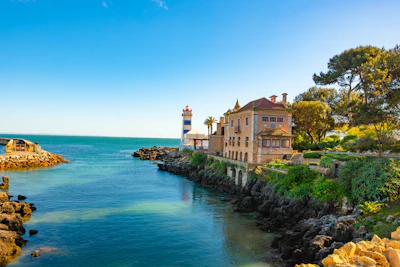
Remote Work Guide to Salinas
Salinas offers a budget-friendly beach lifestyle for digital nomads who don't mind sacrificing some urban conveniences. The city is safe enough for solo travelers, but you'll need good Spanish skills and a backup plan for internet outages.
- Est. Budget
- $680/mo
- Internet
- 15 Mbps
- Nomad Vibe
- 7/10
- Timezone
- UTC-5
📊 Remote Worker Score
Overall liveability breakdown for digital nomads.
💰 The Cost of Living
Estimated Budget: ~$680/mo
Rent is the biggest saving – a furnished one-bedroom apartment near the beach averages $350/month, but cheaper options exist further inland. Electricity and water bills are low ($20–30), but air conditioning can double that in summer. Eating out is extremely affordable, with local set meals (almuerzos) at $3–4. Hidden costs include import taxes on electronics and higher prices for imported groceries. Always negotiate long-term rentals directly with landlords to avoid Airbnb surcharges.
🌤️ Weather & Climate
Salinas has a tropical arid climate with two distinct seasons: a hot, slightly rainy summer from January to April and a cooler, dry season from June to December. The dry season is the best time for outdoor activities, with average highs around 27°C and constant ocean breezes. Humidity can be high during the wet months, but rainfall is rarely prolonged. The cool Humboldt Current keeps sea temperatures pleasant year-round. Overall, the weather is ideal for beach lovers who prefer sun over heavy rain.
| Season | Temp | Condition | Nomad Rating |
|---|---|---|---|
| Jan - Mar | 26-32°C | Hot and humid, occasional rain | ⭐⭐⭐ |
| Apr - Jun | 25-30°C | Transition to dry, sunny mornings | ⭐⭐⭐⭐ |
| Jul - Sep | 22-27°C | Cool and dry, strong winds | ⭐⭐⭐⭐⭐ |
| Oct - Dec | 23-28°C | Mild and sunny, little rain | ⭐⭐⭐⭐ |
Plan your trip for
Jun - Dec
💻 Workspace & Real Connectivity
Dedicated coworking spaces are scarce in Salinas; most nomads work from beachfront cafés with decent Wi-Fi. Internet speeds average 15 Mbps, which works for emails and Zoom calls but struggles with large uploads. The best connectivity is in Las Palmeras and El Monolito areas, where fiber is more common. For heavy data tasks, a backup mobile hotspot is recommended. A few hotels offer day passes with reliable internet for around $10.
- Stability: Occasional drops during storms and power cuts; fiber available in central areas
- eSIM: Available via Airalo and Holafly, but local SIM is more reliable
- Local SIM: ~$15 per month for 10GB 4G data from Claro or Movistar
🏠 Everyday Life Essentials
Before packing your bags, here are the practical details about living in Salinas. Knowing these nuances can make or break your remote setup.
🚑 Safety & Healthcare
Salinas has a small public hospital (Hospital de Salinas) for emergencies, but most expats prefer private clinics in Santa Elena or Guayaquil for serious issues. Private consultations cost around $30–50, and prescriptions are cheap at pharmacies. Pharmacies are well-stocked, and many staff speak basic English. For dental work or elective procedures, many nomads go to Guayaquil for higher quality. Overall, healthcare is adequate for routine needs but not top-tier.
🍜 Food Scene
Local cuisine revolves around fresh seafood – try the ceviche, encocado (coconut fish stew), and arroz con camarones. Street food is cheap and safe if you choose busy stalls. Almuerzos (fixed lunch menus) are the best deal at $3–4, including soup, main dish, and a drink. Tap water is not safe to drink; buy bottled or filter it. Supermarkets carry imported goods at a premium, so shopping at the local market saves money. Vegetarians will find options but may need to adapt to a fish-heavy diet.
Local Meal Avg.
🛵 Getting Around (Transport)
Salinas is walkable in the central areas, especially along the Malecon. Taxis are the main mode of transport for longer distances, with trips within town rarely exceeding $3. There is no bus system within the city, but intercity buses connect to Santa Elena and Guayaquil frequently. Renting a car is possible but parking can be tricky near the beach. Most nomads rely on a mix of walking and taxis, keeping monthly transport costs under $30.
- Ride-hailing: Uber is spotty; locals use Indriver or negotiate with yellow taxis
- Scooter: Not recommended due to chaotic traffic and limited parking
- Airport: 1.5 hours from José Joaquín de Olmedo Airport (Guayaquil)
- Traffic: Low except during holiday weekends when the Malecon gets congested
Monthly Transit Budget
Estimated cost for local transport, scooter rental, or ride-hailing apps.
🛂 Visas & Nomad Taxes
Ecuador offers a straightforward 90-day tourist visa upon arrival for most nationalities. Many nomads extend their stay with a Visa 12-X (visitor visa) for up to 180 days, which requires a simple application at the immigration office. For longer stays, a professional visa with local sponsorship is possible but bureaucratic. Border runs to Peru are also common, though the nearest land crossing is about 4 hours away.
💼 Tax Landscape
Ecuador operates a territorial tax system – you are only taxed on income earned within the country. Digital nomads with foreign-sourced income are generally not taxable. However, if you stay over 183 days in a calendar year, you become a tax resident and must file annual returns, but foreign income remains exempt. There is no special nomad visa yet, so most travelers rely on tourist or visitor visas. Be aware of a 12% VAT (IVA) on goods and services, which is usually included in the price.
Common Visas
- Tourist visa (90 days)
- Visa 12-X (visitor visa extension)
- Professional visa (requires employer)
🗣️ Language & Culture
Salinas is deeply Catholic and conservative in local customs, though tourist areas are relaxed. Dress modestly when away from the beach. Punctuality is not strict; 'Ecuadorian time' means meetings can start 15–30 minutes late. The official language is Spanish, and learning basic phrases goes a long way. Tipping is not mandatory but rounding up the bill (10%) is appreciated. Family is central to social life, and inviting a neighbor for a meal is common. Avoid discussing politics or corruption unless you know the person well.
English Proficiency
🗺️ Best Areas for Remote Workers
| Area | Avg Rent | Noise | Walkability | Best For |
|---|---|---|---|---|
| Las Palmeras | $450/mo | Quiet | 8/10 | Families |
| El Monolito | $350/mo | Lively | 7/10 | Nightlife |
| Malecon | $400/mo | Moderate | 9/10 | Tourists |
| San Lorenzo | $250/mo | Quiet | 5/10 | Budget travelers |
🏠 Everyday Life Pros & Cons
👍 Pros
- ✅ Affordable cost of living
- ✅ Beautiful beaches
- ✅ Warm weather year-round
- ✅ Friendly locals
- ✅ Good seafood
- ✅ Easy access to Guayaquil
👎 Cons
- ❌ Limited coworking spaces
- ❌ Internet reliability issues
- ❌ Petty crime
- ❌ Spanish language barrier
- ❌ Lack of nightlife variety
- ❌ Hot and humid in summer
⚠️ Common Mistakes in Salinas
Avoid these beginner traps to save money and stress:
- — Assuming tap water is safe to drink
- — Not carrying enough cash – many places don't accept cards
- — Renting a long-term apartment without checking for mold or humidity
- — Overlooking the need for a mosquito repellent during rainy months
- — Believing high season (Dec–Apr) prices are the norm for everything
- — Using unofficial taxis without negotiating the fare upfront
- — Forgetting to register with the local police if staying over 90 days
💬 Remote Worker Reviews
📊 Data Sources & Methodology
To ensure accuracy, the cost of living index and city data are aggregated from multiple global databases:
Internet speeds: Ookla Speedtest Global Index.
Safety & Crime: Numbeo Safety Index and global crime reports.
Air Quality (AQI): IQAir realtime data.
Budgeting: Aggregated from Numbeo, NomadList, and localized expat housing communities.
* AI analysis provided by Google AI algorithms trained on the latest remote work trends.
How does Salinas compare?
Compare living costs and stats with other popular nomad destinations.