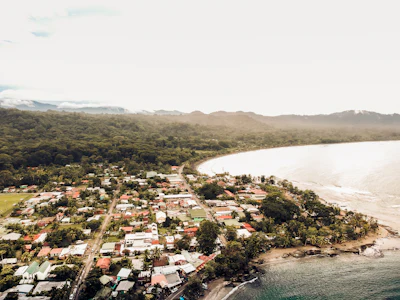
Remote Work Guide to San Salvador
San Salvador offers an ultra-affordable lifestyle with warm weather and vibrant culture, making it a rising digital nomad destination. However, safety concerns and infrastructure challenges require caution and flexibility.
- Est. Budget
- $1110/mo
- Internet
- 35 Mbps
- Nomad Vibe
- 6/10
- Timezone
- UTC-6
📊 Remote Worker Score
Overall liveability breakdown for digital nomads.
💰 The Cost of Living
Estimated Budget: ~$1110/mo
A single person can live comfortably on $1,000–$1,300 per month, including rent, food, and transport. Rent for a modern one-bedroom apartment in safe neighborhoods ranges from $500 to $700 USD. Hidden costs include higher electricity bills if you use air conditioning heavily (common in the hot months) and private health insurance if you want faster access to specialists. Rent prices are negotiable for longer stays. Tipping is customary (10% at restaurants), and street food is incredibly cheap.
🌤️ Weather & Climate
San Salvador has a tropical wet and dry climate with distinct rainy (May–October) and dry (November–April) seasons. Temperatures range from 21°C to 32°C year-round, with higher humidity during the rainy months. The dry season, especially from December to March, offers clear skies and comfortable evenings, ideal for outdoor activities. Rain usually comes as heavy afternoon downpours, so mornings are often sunny. The best time to visit is between November and March when the weather is most pleasant.
| Season | Temp | Condition | Nomad Rating |
|---|---|---|---|
| Jan - Mar | 22-30°C | Dry, sunny, cool mornings | ⭐⭐⭐⭐⭐ |
| Apr - Jun | 24-32°C | Start of rainy season, humid | ⭐⭐⭐ |
| Jul - Sep | 23-31°C | Peak rain, heavy afternoon downpours | ⭐⭐ |
| Oct - Dec | 21-29°C | Rain tapers off, cooler evenings | ⭐⭐⭐⭐ |
Plan your trip for
Nov - Mar
💻 Workspace & Real Connectivity
Coworking spaces are concentrated in Escalón and San Benito, with monthly dedicated desks averaging $120. Free Wi-Fi is available in many cafes, but speeds can drop during peak hours. Internet in apartments averages 35 Mbps, with fiber (up to 100 Mbps) in higher-end neighborhoods. Power outages occur occasionally, so a backup SIM or mobile hotspot is recommended. Some popular spots include Impact Hub San Salvador and Selina Cowork.
- Stability: Generally stable but occasional drops during heavy rain; fiber available in upscale areas
- eSIM: Limited; Airalo offers regional plans, but local SIM is cheaper and more reliable
- Local SIM: ~10 USD/mo for 10GB prepaid data with Tigo or Claro
🏠 Everyday Life Essentials
Before packing your bags, here are the practical details about living in San Salvador. Knowing these nuances can make or break your remote setup.
🚑 Safety & Healthcare
Healthcare in San Salvador is a mix of public hospitals (inexpensive but crowded) and private clinics with better service. Private insurance is recommended; a basic plan costs around $50–$100 per month. Major hospitals like Hospital Centro Médico and Hospital Diagnóstico have English-speaking staff. Pharmacies are abundant and well-stocked. For emergencies, the public system can handle trauma, but serious cases may require evacuation to the US or Mexico.
🍜 Food Scene
Local cuisine centers on pupusas (stuffed tortillas) at $0.50–$1 each, along with grilled meats, plantains, and fresh seafood. A full meal at a mid-range restaurant costs about $6–$10. Street food is safe if eaten hot; avoid raw vegetables in market stalls. Tap water is not potable—stick to bottled or filtered water. Supermarkets like Super Selectos offer imported goods at higher prices. Fresh fruit and local produce are very cheap.
Local Meal Avg.
🛵 Getting Around (Transport)
San Salvador is not very walkable outside central areas; most residents rely on buses, taxis, or Uber. The bus system is extensive but confusing for newcomers, with minibuses (colectivos) costing $0.25 per ride. Renting a car or scooter gives flexibility, but traffic is chaotic and parking limited. Many nomads use Uber for safety and convenience, spending around $60 monthly on transport. Cycling is uncommon due to hilly terrain and aggressive drivers.
- Ride-hailing: Uber and local 'InDriver' are common; reliable in central areas
- Scooter: Popular but risky due to aggressive drivers; not recommended for beginners
- Airport: 45 km from Monseñor Óscar Arnulfo Romero International Airport (about 40 minutes by taxi)
- Traffic: Heavy during rush hours (7-9 AM, 5-7 PM), especially on main boulevards
Monthly Transit Budget
Estimated cost for local transport, scooter rental, or ride-hailing apps.
🛂 Visas & Nomad Taxes
Most nationalities receive a 90-day tourist visa on arrival, which can be renewed by a border run (e.g., to Guatemala or Honduras). El Salvador recently introduced a Digital Nomad Visa offering temporary residency for up to two years, requiring proof of remote work and income. Alternatively, you can apply for temporary residency through investment (e.g., real estate or business). Overstaying results in fines, so keep track of your entry stamp.
💼 Tax Landscape
El Salvador operates a territorial tax system, meaning only income sourced within the country is taxed. Foreign-earned income for digital nomads is generally tax-free if you do not establish permanent residency. However, if you stay over 183 days per year, you may be considered a tax resident and become liable for local taxes on Salvadoran-sourced income. Consult a local accountant; the process is straightforward but requires documentation.
Common Visas
- 90-day tourist visa (renewable via border run)
- Digital Nomad Visa (temporary residency)
- Investment-based residency
🗣️ Language & Culture
Salvadorans are warm and formal; greetings include a handshake or light cheek kiss. Punctuality is relaxed, so allow for some flexibility. Dress modestly when visiting churches or rural areas. Spanish is the primary language; learning basic phrases goes a long way. Tipping 10% is standard. Avoid discussing politics or crime openly. Respect local customs, such as greeting shopkeepers when entering.
English Proficiency
🗺️ Best Areas for Remote Workers
| Area | Avg Rent | Noise | Walkability | Best For |
|---|---|---|---|---|
| San Benito | $700/mo | Moderate | 7/10 | Expats & nightlife |
| Escalón | $600/mo | Quiet | 8/10 | Families & professionals |
| Colonia Maquilishuat | $500/mo | Quiet | 5/10 | Budget nomads |
| Centro Histórico | $400/mo | Lively | 9/10 | Culture & street food |
🏠 Everyday Life Pros & Cons
👍 Pros
- ✅ Very low cost of living compared to North America
- ✅ Excellent local cuisine and street food
- ✅ Close to world-class surfing beaches like El Tunco
- ✅ Growing digital nomad community with events
- ✅ Friendly locals and welcoming expat groups
- ✅ Territorial tax system (no tax on foreign income)
👎 Cons
- ❌ Safety concerns in certain neighborhoods at night
- ❌ Inconsistent internet speeds and occasional power outages
- ❌ High humidity and heat most of the year
- ❌ Limited coworking spaces compared to other hubs
- ❌ Public transportation is chaotic and unreliable
- ❌ English is not widely spoken outside tourist areas
⚠️ Common Mistakes in San Salvador
Avoid these beginner traps to save money and stress:
- — Drinking tap water without boiling or using a filter
- — Assuming all neighborhoods are equally safe
- — Not carrying enough cash for small vendors and taxis
- — Renting a scooter without an international driving permit
- — Underestimating the heat and humidity (bring light clothing)
- — Forgetting to negotiate long-term rent discounts
- — Not registering with the local embassy for safety alerts
💬 Remote Worker Reviews
📊 Data Sources & Methodology
To ensure accuracy, the cost of living index and city data are aggregated from multiple global databases:
Internet speeds: Ookla Speedtest Global Index.
Safety & Crime: Numbeo Safety Index and global crime reports.
Air Quality (AQI): IQAir realtime data.
Budgeting: Aggregated from Numbeo, NomadList, and localized expat housing communities.
* AI analysis provided by Google AI algorithms trained on the latest remote work trends.
How does San Salvador compare?
Compare living costs and stats with other popular nomad destinations.