Remote Work Guide to Turku
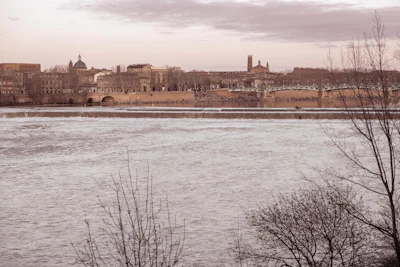
Turku, Finland's former capital, offers a high quality of life with excellent safety, healthcare, and digital infrastructure at a moderate cost relative to other Nordic cities. It's ideal for remote workers who prioritize tranquility and efficiency over nightlife and warm weather.
- Est. Budget
- $1470/mo
- Internet
- 100 Mbps
- Nomad Vibe
- 7/10
- Timezone
- UTC+2
📊 Remote Worker Score
Overall liveability breakdown for digital nomads.
💰 The Cost of Living
Estimated Budget: ~$1470/mo
Monthly rent for a one-bedroom apartment averages around $800, with utilities adding another $100-150. Food costs are moderate if you cook at home; a basic meal out costs about $15, while a cappuccino is $4.50. Hidden costs include high alcohol taxes, trash sorting fees, and occasional transportation spikes. Use Föli's monthly pass for $70 to save on buses, and consider renting outside the center to reduce rent by up to 20%.
🌤️ Weather & Climate
Turku experiences a humid continental climate with cold, snowy winters and mild to warm summers. The best time to visit is from May to September when temperatures range from 10°C to 22°C and daylight hours are long, especially during the 'Midnight Sun' period in June and July. Winters are dark and freezing, with temperatures often dropping below -10°C, but the city is well-prepared with indoor attractions. Spring and autumn are transitional and wet, so pack layers and waterproof gear. Overall, summer is the prime season for outdoor work and exploration.
| Season | Temp | Condition | Nomad Rating |
|---|---|---|---|
| Jan - Mar | -8 to 0°C | Cold, snowy, short days | ⭐⭐ |
| Apr - Jun | 5 to 18°C | Mild, increasing daylight, occasional rain | ⭐⭐⭐⭐ |
| Jul - Sep | 12 to 22°C | Warm and pleasant, best for outdoor activities | ⭐⭐⭐⭐⭐ |
| Oct - Dec | -2 to 8°C | Cool, dark, wet with early snowfalls | ⭐⭐ |
Plan your trip for
May - Sep
💻 Workspace & Real Connectivity
Coworking spaces like 'Spacent Turku' and 'Kattava' offer dedicated desks from $350/month with excellent amenities. Wi-Fi speeds are consistently above 100 Mbps, and power outages are rare. Many cafes cooperate with remote workers, but expect to pay for a coffee to use Wi-Fi for extended periods. The city also has free public Wi-Fi in libraries, making it easy to work from various spots.
- Stability: Highly stable, rare power cuts
- eSIM: Available via Airalo/Holafly, but local operators offer better value
- Local SIM: ~20 USD/mo for unlimited 5G (DNA or Elisa)
🏠 Everyday Life Essentials
Before packing your bags, here are the practical details about living in Turku. Knowing these nuances can make or break your remote setup.
🚑 Safety & Healthcare
Finland's public healthcare system is excellent, and Turku University Hospital is a top-tier facility. Emergency care is accessible, and most doctors speak English fluently. For non-emergencies, the public health center (terveyskeskus) provides affordable care with a small fee (around $20 per visit). Private clinics are also available for faster service, and digital nomads are advised to have insurance.
🍜 Food Scene
Local cuisine focuses on fish, berries, and rye bread, with meals averaging $15 in casual eateries. The city has a vibrant market hall (Kauppahalli) with fresh produce and affordable lunch deals. Tap water is safe and excellent quality, so skip bottled water. Finland is very cashless-friendly; credit cards are accepted everywhere. Try traditional dishes like 'lohikeitto' (salmon soup) and 'karjalanpiirakka' (Karelian pasty).
Local Meal Avg.
🛵 Getting Around (Transport)
Turku is highly walkable in the center, with a walkability score of 8. The Föli public transport system covers the city and nearby islands with buses, trams (not in Turku, actually just buses), and ferries. A monthly pass is $70. Bicycles are popular; you can rent from city bike stations. Traffic is generally light, and the airport is only 8 km away. Ride-hailing is minimal; use the Whim app for taxis or local buses.
- Ride-hailing: No Uber; use Whim app for taxis or local Föli transport
- Scooter: Not common; bicycles are the preferred micro-mobility
- Airport: 8 km from city center, ~20 min by bus or taxi
- Traffic: Low to moderate, calm outside rush hours
Monthly Transit Budget
Estimated cost for local transport, scooter rental, or ride-hailing apps.
🛂 Visas & Nomad Taxes
Finland offers a residence permit for self-employment, which suits digital nomads with steady income from abroad. There is also a startup visa for entrepreneurs launching a business in Finland. For stays under 90 days, citizens of many countries can enter visa-free, but longer stays require a permit. Border runs to nearby Schengen countries are possible but not recommended; proper visa planning is essential.
💼 Tax Landscape
Finland's tax system is progressive, with income tax rates ranging from 20% to over 50% for high earners. However, if you are a digital nomad staying less than 183 days and not officially resident, you may not be liable for local taxes on foreign income. Long-term residents become fully taxable. The country has no territorial tax system; worldwide income is taxed for residents. Consult a tax professional to avoid surprises.
Common Visas
- Digital nomad visa (startup)
- Self-employment residence permit
- Standard tourist visa (90 days)
🗣️ Language & Culture
Finns value punctuality, directness, and personal space. Handshakes are the norm, and small talk is minimal. Most Finns speak excellent English, so language barriers are rare. Tipping is not expected but appreciated for good service. Sauna culture is strong; don't be surprised if a business meeting involves a sauna. The city has a relaxed, student-town vibe with a respect for nature and quiet.
English Proficiency
🗺️ Best Areas for Remote Workers
| Area | Avg Rent | Noise | Walkability | Best For |
|---|---|---|---|---|
| City Center (Keskusta) | $900/mo | Moderate | 9/10 | Nightlife, dining, and convenience |
| Port Arthur | $750/mo | Quiet | 8/10 | Families and long-term stays |
| Kupittaa | $650/mo | Lively (student area) | 7/10 | Students and budget-conscious nomads |
| Varissuo | $700/mo | Quiet | 6/10 | Affordable housing with good local services |
🏠 Everyday Life Pros & Cons
👍 Pros
- ✅ Excellent healthcare and safety
- ✅ High English proficiency
- ✅ Clean and efficient public transportation
- ✅ Strong expat and student community
- ✅ Beautiful archipelago and nature access
- ✅ Reliable high-speed internet everywhere
👎 Cons
- ❌ High cost of living overall
- ❌ Long, dark winters with limited daylight
- ❌ Smaller job market compared to Helsinki
- ❌ Limited nightlife options
- ❌ High alcohol prices
- ❌ Public transport can be infrequent outside peak hours
⚠️ Common Mistakes in Turku
Avoid these beginner traps to save money and stress:
- — Assuming all cafes have free Wi-Fi – some charge or require purchase.
- — Not dressing in layers for the constantly changing weather.
- — Relying on taxis without using the Whim app for cheaper rides.
- — Forgetting that almost everything is closed on Sundays, especially in winter.
- — Underestimating the cost of alcohol and dining out.
- — Not bringing a good quality rain jacket – it rains frequently.
- — Expecting a vibrant 24/7 nightlife – bars close earlier than in southern Europe.
💬 Remote Worker Reviews
📊 Data Sources & Methodology
To ensure accuracy, the cost of living index and city data are aggregated from multiple global databases:
Internet speeds: Ookla Speedtest Global Index.
Safety & Crime: Numbeo Safety Index and global crime reports.
Air Quality (AQI): IQAir realtime data.
Budgeting: Aggregated from Numbeo, NomadList, and localized expat housing communities.
* AI analysis provided by Google AI algorithms trained on the latest remote work trends.
How does Turku compare?
Compare living costs and stats with other popular nomad destinations.