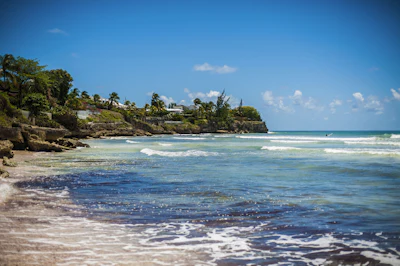
Remote Work Guide to Gili Trawangan
Gili Trawangan offers a tropical island escape with zero motorized traffic, excellent snorkeling, and a vibrant nightlife scene. However, digital nomads must prepare for limited internet reliability, cash‑only transactions, and basic infrastructure.
- Est. Budget
- $870/mo
- Internet
- 10 Mbps
- Nomad Vibe
- 8/10
- Timezone
- UTC+8
📊 Remote Worker Score
Overall liveability breakdown for digital nomads.
💰 The Cost of Living
Estimated Budget: ~$870/mo
Rent for a basic one‑bedroom bungalow ranges from $300 to $500/month, with prices doubling in peak season. Eating local warung meals costs around $4, while Western restaurants can be $10–15. Coworking spaces charge $120–150/month but offer unreliable internet, so many nomads rely on cafe Wi‑Fi. Hidden costs include boat transfers ($10–15 each way) and mandatory eco‑tax ($10–15 per visit). Budget at least $1,000/month for a comfortable lifestyle.
🌤️ Weather & Climate
Gili T has a tropical monsoon climate with two main seasons. The dry season from April to October brings blue skies, calm seas, and perfect beach weather. The wet season from November to March features heavy downpours and high humidity, which can disrupt outdoor plans and internet. Temperatures remain consistently warm year‑round, averaging 27–32°C. The best time to visit for nomads is April–June or September–October to avoid crowds and enjoy optimal conditions.
| Season | Temp | Condition | Nomad Rating |
|---|---|---|---|
| Jan - Mar | 26-31°C | Wet, heavy rain, high humidity | ⭐⭐ |
| Apr - Jun | 27-32°C | Dry, sunny, less humidity | ⭐⭐⭐⭐⭐ |
| Jul - Sep | 26-30°C | Dry and clear, peak tourist season | ⭐⭐⭐⭐⭐ |
| Oct - Dec | 26-31°C | Transitional, occasional storms | ⭐⭐⭐ |
Plan your trip for
Apr - Oct
💻 Workspace & Real Connectivity
Coworking spaces on Gili T are few, with the most popular being 'Gili Coworking' and 'Kima Hotel's co‑working area'. Internet speeds average 10 Mbps but can drop below 5 Mbps during bad weather. Most nomads work from cafes like 'Mowies' or 'Kayu Café' that offer dedicated power and strong Wi‑Fi. For video calls, a local 4G hotspot is essential as a backup. The slow internet is the biggest trade‑off for the paradise setting.
- Stability: Moderate – reliable in cafes with fiber, but frequent drops during storms
- eSIM: Limited – Airalo works but slower than local SIM; local SIM strongly recommended
- Local SIM: ~10 USD for 30GB data (Telkomsel or XL)
🏠 Everyday Life Essentials
Before packing your bags, here are the practical details about living in Gili Trawangan. Knowing these nuances can make or break your remote setup.
🚑 Safety & Healthcare
Medical facilities are very basic – a small clinic on the island can handle minor injuries and illnesses. For serious issues, you must take a boat to Lombok or fly to Bali. The nearest hospital with emergency care is in Mataram (Lombok), about 1.5 hours away by boat and car. Travel insurance with medical evacuation is strongly recommended. Pharmacies stock only common medications, so bring your own prescriptions.
🍜 Food Scene
Local Indonesian food is cheap and delicious – nasi goreng, mie goreng, and satay are staples at warungs for under $5. Western food is plentiful but pricier, averaging $10–15 per meal. Seafood is fresh and a must‑try, especially grilled fish at night markets. Tap water is unsafe, so always buy bottled or use a refillable filter. Most restaurants have good hygiene standards, but street food can be risky for sensitive stomachs.
Local Meal Avg.
🛵 Getting Around (Transport)
There are no motorized vehicles on Gili T – everyone walks, bikes, or uses horse‑drawn carts (cidomos). Bicycle rental is $2–3 per day, and you can circle the island in 45 minutes. The main harbor has public boats to Lombok and Bali departing multiple times daily. Getting to the island from Lombok airport involves a car ride to Bangsal harbor followed by a 30‑minute boat. Walkability is high near the main strip but more spread out in northern areas.
- Ride-hailing: No ride‑hailing services on the island; use bicycle or horse cart
- Scooter: Bicycle is the main mode; scooter rental available but not common
- Airport: 2 hours by car + 30‑minute boat from Lombok
- Traffic: Very low – no motorized vehicles, only bikes and horse carts
Monthly Transit Budget
Estimated cost for local transport, scooter rental, or ride-hailing apps.
🛂 Visas & Nomad Taxes
Most tourists enter with a free Visa on Arrival (30 days), extendable once for another 30 days. For longer stays, the B211A Social Visa allows up to 60 days and can be extended multiple times. Many nomads do border runs to nearby Lombok or Bali to reset their visa. Always check the latest Indonesian visa policies as they change frequently.
💼 Tax Landscape
Indonesia taxes residents on worldwide income after 183 days, but most nomads stay on shorter visas and avoid resident status. There is no special digital nomad visa yet, though rumors circulate. If you stay longer than 6 months, you may need to file taxes locally – consult a tax advisor. As a tourist, you are not subject to income tax in Indonesia, but you still owe taxes in your home country.
Common Visas
- Visa on Arrival (30 days)
- B211A Social Visa (60 days extendable)
- E-Visa for Tourism
🗣️ Language & Culture
Gili T is a Muslim‑majority area, so modest dress is appreciated when away from the beach. Shoes off before entering homes or certain shops is customary. English is widely spoken, but learning a few Indonesian phrases (terima kasih, selamat pagi) goes a long way. Bartering is expected at markets but keep it polite. The pace of life is slow – don't be surprised if service takes a while.
English Proficiency
🗺️ Best Areas for Remote Workers
| Area | Avg Rent | Noise | Walkability | Best For |
|---|---|---|---|---|
| Main Strip (East Coast) | $500/mo | Lively | 8/10 | Nightlife |
| North Beach | $350/mo | Quiet | 6/10 | Sunset views |
| South Beach | $400/mo | Moderate | 7/10 | Peaceful stays |
| Central Inland | $300/mo | Quiet | 5/10 | Budget living |
🏠 Everyday Life Pros & Cons
👍 Pros
- ✅ Stunning white-sand beaches and crystal-clear water
- ✅ No motorized vehicles – just bikes and horse carts
- ✅ Vibrant nightlife with beachfront bars and parties
- ✅ Excellent snorkeling and diving right off the shore
- ✅ Laid-back island atmosphere perfect for digital detox
- ✅ Close-knit expat and nomad community
👎 Cons
- ❌ Limited and unreliable internet connectivity
- ❌ Frequent power outages during rainy season
- ❌ Accommodation can be expensive compared to mainland
- ❌ No ATMs on the island – bring enough cash
- ❌ Petty theft and scams targeting tourists
- ❌ Healthcare facilities are very basic
⚠️ Common Mistakes in Gili Trawangan
Avoid these beginner traps to save money and stress:
- — Renting a bike without checking brakes and tires first
- — Drinking tap water – always use bottled or filtered
- — Forgetting to bring cash – there are no ATMs on the island
- — Not booking accommodation in advance during peak season (July–August)
- — Underestimating the boat transfer time from Lombok airport
- — Leaving valuables unattended on the beach
- — Assuming eSIMs work seamlessly – buy a local physical SIM
💬 Remote Worker Reviews
📊 Data Sources & Methodology
To ensure accuracy, the cost of living index and city data are aggregated from multiple global databases:
Internet speeds: Ookla Speedtest Global Index.
Safety & Crime: Numbeo Safety Index and global crime reports.
Air Quality (AQI): IQAir realtime data.
Budgeting: Aggregated from Numbeo, NomadList, and localized expat housing communities.
* AI analysis provided by Google AI algorithms trained on the latest remote work trends.
How does Gili Trawangan compare?
Compare living costs and stats with other popular nomad destinations.