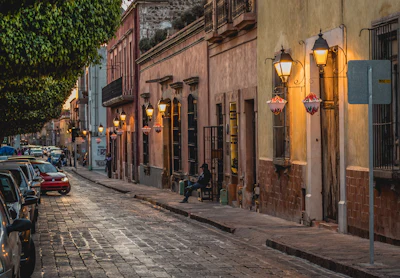
Remote Work Guide to Bologna
Bologna offers a blend of historic charm and modern amenities, ideal for digital nomads seeking a vibrant Italian experience. Its walkable streets, affordable coworking spaces, and thriving food culture make it a top mid-sized European destination.
- Est. Budget
- $1650/mo
- Internet
- 50 Mbps
- Nomad Vibe
- 8/10
- Timezone
- UTC+1
📊 Remote Worker Score
Overall liveability breakdown for digital nomads.
💰 The Cost of Living
Estimated Budget: ~$1650/mo
Rent in the historic center is high (€900-1,200 for a 1-bedroom), but districts like San Donato or outside the ring road are €600-800. Utilities (electricity, gas, internet) add about €150-200/month. Eating out costs €15-25 per meal, while supermarket groceries are affordable (~€300-400/month for one). Hidden costs include the annual waste tax (TARI) and mandatory health insurance if not covered by the national system – budget at least €1,500/month total for a comfortable solo lifestyle.
🌤️ Weather & Climate
Bologna has a humid subtropical/Mediterranean climate with hot summers (July-August often above 32°C) and cold, foggy winters (January lows near 0°C). Spring (April-June) and autumn (September-October) are the most pleasant, with mild temperatures and low rainfall. The city can feel muggy in summer, while winter dampness makes it feel colder than the thermometer suggests. The best months for outdoor work and exploration are May, June, and September.
| Season | Temp | Condition | Nomad Rating |
|---|---|---|---|
| Jan - Mar | 2-12°C | Cold, foggy, occasional rain | ⭐⭐ |
| Apr - Jun | 12-26°C | Mild, sunny, pleasant | ⭐⭐⭐⭐⭐ |
| Jul - Sep | 20-32°C | Hot, humid, sporadic thunderstorms | ⭐⭐⭐ |
| Oct - Dec | 4-18°C | Cool, rainy, less sunshine | ⭐⭐ |
Plan your trip for
Apr - Jun
💻 Workspace & Real Connectivity
Bologna has a growing coworking scene, with established spaces like Le Serre dei Giardini Margherita, Impact Hub, and Cowo in the city center costing €200-350/month for a dedicated desk. Internet speeds are generally 50-100 Mbps fiber, but some old buildings might have slower ADSL. Many cafes offer free Wi-Fi, but power outlets can be scarce. For heavy video calls, a coworking membership is recommended to avoid intermittent public connections.
- Stability: Highly stable, fiber optic in most areas
- eSIM: Available via Airalo, Holafly, and local providers
- Local SIM: ~12 USD/mo for 50GB 5G
🏠 Everyday Life Essentials
Before packing your bags, here are the practical details about living in Bologna. Knowing these nuances can make or break your remote setup.
🚑 Safety & Healthcare
Italy’s public healthcare (SSN) is excellent, and once registered, you can get a health card for low-cost visits (€36 specialist visit). Emergency rooms are efficient but crowded; private insurance (€50-100/month) gives faster access. Pharmacies are abundant and can treat minor ailments. Bologna’s Sant’Orsola hospital is one of the best in Italy. Digital nomads should have travel insurance until they obtain residency.
🍜 Food Scene
Bologna is the culinary heart of Italy – home to tortellini, tagliatelle al ragù, and mortadella. A meal at a trattoria costs €15-25, while street food (crescentine, piadina) is under €8. Tap water is safe and free in restaurants. Supermarkets (Coop, Conad) offer quality produce at reasonable prices. The covered market (Mercato di Mezzo) is a great spot for sampling local specialties. Be aware that some touristy spots near the Two Towers charge premium prices.
Local Meal Avg.
🛵 Getting Around (Transport)
Bologna is a very walkable city; most daily errands can be done on foot or by bicycle (public bike-sharing Mobike/BiciSan). The bus system (TPER) is reliable, with a monthly pass costing €38. The central train station (Bologna Centrale) is a high-speed hub to Milan (1h), Florence (35min), and Rome (2h). Ridesharing like BlaBlaCar is popular for intercity trips. Avoid driving in the city due to ZTL zones and expensive parking.
- Ride-hailing: Uber limited, use local taxis (Bologna Taxi 24h) or ItTaxi app
- Scooter: Not essential; bike is better for short distances
- Airport: 15 km, 20 min by taxi or 30 min by shuttle bus
- Traffic: Moderate, congested near city center during rush hours
Monthly Transit Budget
Estimated cost for local transport, scooter rental, or ride-hailing apps.
🛂 Visas & Nomad Taxes
Non-EU digital nomads can apply for Italy’s Digital Nomad Visa (Deecreto Ombrello) if they meet income and remote work criteria; the process takes 1-3 months. Alternatively, a standard Schengen C visa allows 90 days within 180 days, and some use the self-employment (autonomous work) visa, though that requires a local accountant. Border runs to nearby Schengen countries (e.g., Slovenia, Austria) are not practical for longer stays; plan for residency registration if staying over 3 months.
💼 Tax Landscape
Italy offers a 'Regime Impatriati' tax incentive for new residents who move for work – you can pay a flat 50% reduction on income tax for up to 5 years. Digital nomads on the DN visa still need to pay Italian taxes on global income if staying over 183 days, but you may be subject to double taxation treaties. Consult a commercialista (accountant) who specializes in expat taxes; fees are around €200-400/year. VAT (IVA) is not applicable for most remote workers.
Common Visas
- Schengen C Visitor
- Digital Nomad Visa (Italy)
- Self-Employment Visa
🗣️ Language & Culture
Italians value politeness, greetings, and proper dress in churches. Learning a few Italian phrases ('Buongiorno', 'Grazie') is appreciated. The pace of life is slower; be prepared for long lunches and siesta-like closures (2-4pm). Tipping is not mandatory but rounding up is common. Bologna is a left-leaning, progressive city with strong LGBTQ+ acceptance. Private matters are respected, so avoid loud or confrontational behavior in public.
English Proficiency
🗺️ Best Areas for Remote Workers
| Area | Avg Rent | Noise | Walkability | Best For |
|---|---|---|---|---|
| Centro Storico | $1,200/mo | Lively | 10/10 | Nightlife & culture |
| San Donato | $800/mo | Quiet | 7/10 | Families & affordability |
| Bologna Fiere | $950/mo | Moderate | 6/10 | Business & events |
| San Vitale | $900/mo | Quiet | 8/10 | Students & remote workers |
🏠 Everyday Life Pros & Cons
👍 Pros
- ✅ Rich historical and cultural heritage
- ✅ World-renowned food scene (tagliatelle, tortellini)
- ✅ Excellent walkability and bike infrastructure
- ✅ Centrally located with easy train access to other cities
- ✅ Vibrant student atmosphere keeps costs moderate
- ✅ Strong community of remote workers and creatives
👎 Cons
- ❌ Bureaucratic red tape (e.g., residency, permits)
- ❌ Limited English fluency outside tourist hubs
- ❌ Rent is high in the city center
- ❌ Summers can be extremely hot and humid
- ❌ Nightlife can be quiet during academic breaks
- ❌ Navigating healthcare system without Italian language
⚠️ Common Mistakes in Bologna
Avoid these beginner traps to save money and stress:
- — Renting a car without realizing ZTL (limited traffic zones) fines are steep
- — Assuming everyone speaks English in restaurants and shops
- — Not registering for residency within 8 days of arrival
- — Paying tourist prices for meals near Piazza Maggiore
- — Ignoring the bike-sharing system as a cheap transport option
- — Underestimating the bureaucracy for tax and health registration
💬 Remote Worker Reviews
📊 Data Sources & Methodology
To ensure accuracy, the cost of living index and city data are aggregated from multiple global databases:
Internet speeds: Ookla Speedtest Global Index.
Safety & Crime: Numbeo Safety Index and global crime reports.
Air Quality (AQI): IQAir realtime data.
Budgeting: Aggregated from Numbeo, NomadList, and localized expat housing communities.
* AI analysis provided by Google AI algorithms trained on the latest remote work trends.
How does Bologna compare?
Compare living costs and stats with other popular nomad destinations.