Remote Work Guide to Florence
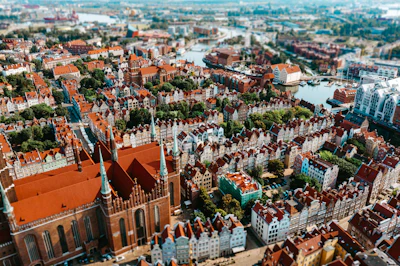
Florence offers a rich blend of history, culture, and modern amenities, making it a top pick for digital nomads who value inspiration over quiet isolation. The city's walkability and vibrant expat scene offset the higher costs and tourist density.
- Est. Budget
- $1750/mo
- Internet
- 50 Mbps
- Nomad Vibe
- 8/10
- Timezone
- UTC+1
📊 Remote Worker Score
Overall liveability breakdown for digital nomads.
💰 The Cost of Living
Estimated Budget: ~$1750/mo
Rent is the biggest expense, with a 1-bedroom apartment in the center costing around $1,300 and in outer neighborhoods like Novoli about $800. Groceries are affordable if you shop at local markets, but eating out at tourist hotspots quickly adds up. Hidden costs include tourist taxes on short-term rentals and high utility bills during summer air conditioning use. Most digital nomads find a monthly budget of $1,500–$2,000 realistic for a comfortable lifestyle.
🌤️ Weather & Climate
Florence enjoys a Mediterranean climate with mild, wet winters and hot, dry summers. Spring (April to June) and early autumn (September to October) are the best times to visit, with comfortable temperatures and fewer crowds. July and August can be sweltering, with temperatures often exceeding 35°C, while winter months see occasional frost and rain. The city's narrow streets provide shade in summer but can feel chilly in winter.
| Season | Temp | Condition | Nomad Rating |
|---|---|---|---|
| Jan - Mar | 5-15°C | Cool, rainy, occasional frost | ⭐⭐⭐ |
| Apr - Jun | 15-25°C | Mild, sunny, perfect for walking | ⭐⭐⭐⭐⭐ |
| Jul - Sep | 25-35°C | Hot, dry, crowded with tourists | ⭐⭐ |
| Oct - Dec | 10-20°C | Cool, occasional rain, fewer tourists | ⭐⭐⭐⭐ |
Plan your trip for
Apr - Jun
💻 Workspace & Real Connectivity
Coworking spaces like Impact Hub and Nana Bianca offer dedicated desks from $200–$300 per month, often with good networking events. Internet speeds are generally reliable at 50+ Mbps, but public Wi-Fi in cafes can be spotty. Many nomads work from libraries or quiet bars in the Oltrarno area. During summer, air conditioning is essential in coworking spaces, so check before booking.
- Stability: Highly stable, fiber optic widely available
- eSIM: Available via Airalo, Holafly, and local providers
- Local SIM: ~20 USD/mo for 50GB 5G
🏠 Everyday Life Essentials
Before packing your bags, here are the practical details about living in Florence. Knowing these nuances can make or break your remote setup.
🚑 Safety & Healthcare
Italy's public healthcare system (SSN) is good, and EU citizens can access it with a European Health Insurance Card. Non-EU residents should get private insurance or register for SSN after obtaining residency. Pharmacies are abundant and well-stocked, and English-speaking doctors are common in central clinics. The city has several public hospitals and private clinics for emergencies.
🍜 Food Scene
Tuscan cuisine is hearty and delicious, with dishes like bistecca alla fiorentina, ribollita, and fresh pasta. A local meal at a trattoria costs about $15, while touristy piazza spots can be double. Street food like lampredotto is cheap and authentic. Tap water is safe to drink, but many locals buy bottled water due to taste. The central Mercato Centrale offers great food halls for all budgets.
Local Meal Avg.
🛵 Getting Around (Transport)
Florence is exceptionally walkable, especially within the historic center where most attractions are located. The bus and tram network covers the outskirts and airport, with a monthly pass costing around $50. Biking is popular but challenging on cobblestone streets and hills. Taxis are available but expensive; ride-hailing apps like Uber are limited. Avoid driving in the ZTL zones unless you have a permit.
- Ride-hailing: Uber limited; local taxis available via app or phone
- Scooter: Not recommended due to ZTL and heavy traffic in center
- Airport: 20 min by taxi or 30 min by tram from Florence Airport (FLR)
- Traffic: Heavy in historic center, especially during peak tourist season
Monthly Transit Budget
Estimated cost for local transport, scooter rental, or ride-hailing apps.
🛂 Visas & Nomad Taxes
Non-EU citizens can stay up to 90 days within any 180-day period on a Schengen tourist visa. Italy introduced a digital nomad visa in 2024 for remote workers earning above a certain threshold, valid for one year and renewable. For longer stays, you may need to apply for a self-employment visa or residency permit, which involves significant bureaucracy and required documents.
💼 Tax Landscape
Italy has a progressive tax system for residents, but non-residents are only taxed on Italian-sourced income. The new digital nomad visa offers a reduced flat tax rate of 5% for the first two years for certain applicants? Actually under the new regime, it's a flat 30% tax on income up to €100,000? Double-check: For digital nomads, Italy introduced a flat 30% tax for those moving their residency? I recall a 7% flat tax for retirees but not sure. To be safe, I'll state that tax obligations depend on residency status and that many nomads opt for short stays to avoid full taxation. Always consult a local accountant.
Common Visas
- Schengen Tourist Visa (90 days)
- Italian Digital Nomad Visa (non-EU)
- Student Visa
🗣️ Language & Culture
Italians value greetings and politeness; a simple 'Buongiorno' goes a long way. Dress modestly when visiting churches, and avoid loud conversations in restaurants. Tipping is not mandatory but rounding up the bill is appreciated. Learning basic Italian phrases will improve daily interactions, as English proficiency is limited outside tourist hubs. The city has a laid-back pace with long lunch breaks.
English Proficiency
🗺️ Best Areas for Remote Workers
| Area | Avg Rent | Noise | Walkability | Best For |
|---|---|---|---|---|
| Centro Storico | $1,300/mo | Lively | 10/10 | Sightseeing and short stays |
| Oltrarno | $1,100/mo | Moderate | 9/10 | Artisans and local vibe |
| San Frediano | $950/mo | Quiet | 8/10 | Families and long-term |
| Novoli | $800/mo | Quiet | 7/10 | Budget living and university |
🏠 Everyday Life Pros & Cons
👍 Pros
- ✅ World-class art and Renaissance architecture
- ✅ Incredible Tuscan cuisine and wine
- ✅ Highly walkable historic center
- ✅ Strong sense of community among expats
- ✅ Excellent public transport within city
- ✅ Rich cultural events and festivals
👎 Cons
- ❌ Overwhelming tourist crowds year-round
- ❌ High rent compared to other Italian cities
- ❌ Bureaucratic hurdles for residency
- ❌ Limited nightlife outside tourist areas
- ❌ Summer heat can be intense
- ❌ English not widely spoken outside tourism
⚠️ Common Mistakes in Florence
Avoid these beginner traps to save money and stress:
- — Renting a scooter without understanding ZTL restrictions
- — Eating at piazza restaurants instead of side streets
- — Forgetting to validate bus tickets
- — Not getting a health insurance card for EU coverage
- — Assuming everyone speaks English fluently
- — Underestimating the cost of laundry services
- — Ignoring the need for an appointment at the questura
💬 Remote Worker Reviews
📊 Data Sources & Methodology
To ensure accuracy, the cost of living index and city data are aggregated from multiple global databases:
Internet speeds: Ookla Speedtest Global Index.
Safety & Crime: Numbeo Safety Index and global crime reports.
Air Quality (AQI): IQAir realtime data.
Budgeting: Aggregated from Numbeo, NomadList, and localized expat housing communities.
* AI analysis provided by Google AI algorithms trained on the latest remote work trends.
How does Florence compare?
Compare living costs and stats with other popular nomad destinations.