Remote Work Guide to Riga
Riga offers an affordable European lifestyle with excellent digital infrastructure, making it a hidden gem for remote workers. Its charming old town, vibrant culture, and growing expat community provide a balanced mix of work and leisure.
- Est. Budget
- $1030/mo
- Internet
- 50 Mbps
- Nomad Vibe
- 7/10
- Timezone
- UTC+2
📊 Remote Worker Score
Overall liveability breakdown for digital nomads.
💰 The Cost of Living
Estimated Budget: ~$1030/mo
Rent is the biggest expense, with a one-bedroom in the center costing around $550–$700 USD, while suburbs drop to $350–$450. Groceries and dining out are affordable, with a local meal averaging $10. Hidden costs include winter heating bills (up to $200/month for electricity) and a mandatory health insurance for residence permits. Coworking spaces range from $150–$250 per month, and public transport costs only $30 for a monthly pass.
🌤️ Weather & Climate
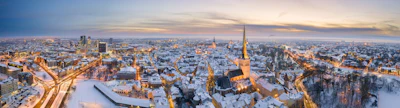
Riga has a humid continental climate with cold, snowy winters and mild, pleasant summers. The best time to visit is from May to September when temperatures range from 15°C to 25°C and daylight hours are long. Winters are dark and freezing, often below -5°C, which can be challenging for those from warmer climates. Spring and autumn are transitional with moderate weather but frequent rain.
| Season | Temp | Condition | Nomad Rating |
|---|---|---|---|
| Jan - Mar | -5 to 2°C | Cold, snowy, short days | ⭐⭐ |
| Apr - Jun | 5 to 20°C | Mild, increasingly sunny, occasional rain | ⭐⭐⭐⭐ |
| Jul - Sep | 14 to 25°C | Warm, pleasant, peak tourist season | ⭐⭐⭐⭐⭐ |
| Oct - Dec | -2 to 8°C | Cool, damp, overcast, early snowfall | ⭐⭐ |
Plan your trip for
May - Sep
💻 Workspace & Real Connectivity
Riga has several excellent coworking spaces like TechHub Riga and Workland, offering high-speed fiber internet (50+ Mbps) and a community of entrepreneurs. Coffee shops with reliable Wi-Fi are abundant, especially in the Centrs district. Internet is stable and fast enough for video calls, though some older buildings may have spotty connections. For a more quiet setup, libraries and university spaces are also accessible.
- Stability: Highly stable, rare power cuts; fiber optic widely available
- eSIM: Available via Airalo/Holafly, but local SIM from LMT or Tele2 offers better value
- Local SIM: ~12 USD/mo for unlimited 4G/5G
🏠 Everyday Life Essentials
Before packing your bags, here are the practical details about living in Riga. Knowing these nuances can make or break your remote setup.
🚑 Safety & Healthcare
Latvia has a public healthcare system but waits can be long; most expats opt for private clinics like Veselības Centrs 4 or ARS. Costs for a doctor's visit are around $40–$80 without insurance. Pharmacies are well-stocked and English-speaking staff is common. Safety is generally high, with low violent crime rates, though petty theft can occur in tourist areas. The city feels safe for solo female travelers and LGBTQ+ individuals, though public displays of affection may draw stares outside the center.
🍜 Food Scene
Local cuisine is hearty, with staples like rye bread, grey peas, and pork. A meal at a mid-range restaurant costs around $10–$15, while street food like piragi (stuffed pastries) is under $3. Tap water is safe to drink, and supermarkets are well-stocked with international goods. Vegetarian and vegan options are available but limited; the city's Central Market (Centraltirgus) is a must-visit for fresh produce and local delicacies.
Local Meal Avg.
🛵 Getting Around (Transport)
Riga is highly walkable in the city center, with most attractions within a 20-minute stroll. Public transport includes buses, trams, and trolleybuses operating from 5 AM to midnight; a monthly pass costs $30. Cyclists can use bike lanes, but winters make biking difficult. Ride-hailing is affordable, with Bolt rides averaging $5–$10 across the city. The airport is well-connected by bus 22, and taxis are about $15 to the center.
- Ride-hailing: Bolt and Yandex.Taxi are common; Uber not available
- Scooter: Bolt and CityBee e-scooters popular but expensive for long distances
- Airport: 10 km, 20 mins by taxi, 30 mins by bus 22
- Traffic: Moderate congestion during rush hours, peaceful otherwise
Monthly Transit Budget
Estimated cost for local transport, scooter rental, or ride-hailing apps.
🛂 Visas & Nomad Taxes
Non-EU citizens can stay up to 90 days within a 180-day period under the Schengen visa. Latvia offers an e-Residency program for digital entrepreneurs, but it does not grant a residence permit. A temporary residence permit is available for remote workers with a stable income (minimum ~1,500 EUR/month), though the process can be bureaucratic. Many nomads opt for visa runs to neighboring Estonia or Lithuania to extend stays.
💼 Tax Landscape
If you stay over 183 days in Latvia in a tax year, you become a tax resident and must pay income tax on worldwide income (20% flat). Non-residents are only taxed on Latvian-sourced income. There is no special digital nomad tax regime, but many nomads use the Schengen 90-day limit to avoid triggering residency. Business income is taxed at 15%, and freelancers may need to register as a 'self-employed person' for invoicing local clients.
Common Visas
- Schengen visa (90/180 days)
- Latvia e-Residency program for non-EU entrepreneurs
- Temporary residence permit for remote workers (Digital Nomad visa - pending/rare)
🗣️ Language & Culture
Latvians are reserved initially but warm once you get to know them. Punctuality and direct communication are valued. English is widely spoken by the younger generation, but learning basic Latvian phrases (e.g., 'Paldies' – thank you) is appreciated. Tipping 5–10% in restaurants is customary. The culture has a strong connection to nature and song festivals, and personal space is respected. Dress code is generally smart-casual, especially when visiting businesses or upscale venues.
English Proficiency
🗺️ Best Areas for Remote Workers
| Area | Avg Rent | Noise | Walkability | Best For |
|---|---|---|---|---|
| Centrs | $700/mo | Lively | 9/10 | Nightlife, dining, and coworking hubs |
| Āgenskalns | $450/mo | Quiet | 7/10 | Families and remote workers seeking green spaces |
| Teika | $400/mo | Quiet | 6/10 | Budget living with good local amenities |
| Maskačka | $350/mo | Average | 5/10 | Affordable housing and diverse food scene |
🏠 Everyday Life Pros & Cons
👍 Pros
- ✅ Affordable cost of living compared to Western Europe
- ✅ Excellent public transport and walkable city center
- ✅ Vibrant expat and digital nomad community
- ✅ High-speed internet and modern coworking spaces
- ✅ Rich cultural scene with art nouveau architecture
- ✅ Safe and clean city with good healthcare
👎 Cons
- ❌ Harsh winters with limited daylight
- ❌ Language barrier outside central areas (Latvian spoken)
- ❌ Bureaucracy can be slow for residence permits
- ❌ Limited direct flights from North America
- ❌ Growing tourist crowds in summer
- ❌ Public transport not 24/7, night service limited
⚠️ Common Mistakes in Riga
Avoid these beginner traps to save money and stress:
- — Not registering your address with the OCMA within 30 days of arrival
- — Underestimating heating costs in winter (electricity bills can double)
- — Assuming everyone speaks English fluently outside tourist zones
- — Forgetting to get a local SIM for cheaper data (tourist roaming expensive)
- — Using Bolt or ride-hailing without checking surge pricing at night
- — Relying solely on Google Maps for bus schedules (some routes change seasonally)
- — Not carrying cash for small vendors and local markets
💬 Remote Worker Reviews
📊 Data Sources & Methodology
To ensure accuracy, the cost of living index and city data are aggregated from multiple global databases:
Internet speeds: Ookla Speedtest Global Index.
Safety & Crime: Numbeo Safety Index and global crime reports.
Air Quality (AQI): IQAir realtime data.
Budgeting: Aggregated from Numbeo, NomadList, and localized expat housing communities.
* AI analysis provided by Google AI algorithms trained on the latest remote work trends.
How does Riga compare?
Compare living costs and stats with other popular nomad destinations.