Remote Work Guide to Kuala Lumpur
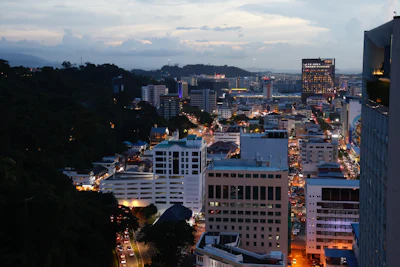
Kuala Lumpur offers an unbeatable blend of modern infrastructure, low living costs, and a rich cultural tapestry. It's a top digital nomad destination in Southeast Asia with excellent connectivity and a thriving expat scene.
- Est. Budget
- $880/mo
- Internet
- 90 Mbps
- Nomad Vibe
- 8/10
- Timezone
- UTC+8
📊 Remote Worker Score
Overall liveability breakdown for digital nomads.
💰 The Cost of Living
Estimated Budget: ~$880/mo
The average monthly budget for a single nomad ranges from $800 to $1,200, including rent, food, transport, and occasional entertainment. Rent is the biggest cost: $300–$600 for a one-bedroom in the city center, but utilities (especially AC) can add $50–$100. Groceries are cheap if you buy local produce, and eating out at hawker centers costs under $3. Watch out for hidden costs like high-rise condo maintenance fees and deposits (usually 2+1 months rent).
🌤️ Weather & Climate
Kuala Lumpur has a tropical rainforest climate with high humidity and temperatures averaging 24–33°C year-round. The northeast monsoon from November to March brings slightly drier weather, while the southwest monsoon from May to September sees more rain and occasional haze from forest fires. Afternoon thunderstorms are common, but they usually clear up quickly. The best time to visit is during the dry inter-monsoon periods from December to February and June to July, though the city is enjoyable any time with proper AC and an umbrella.
| Season | Temp | Condition | Nomad Rating |
|---|---|---|---|
| Jan - Mar | 24-31°C | Light rain, lower humidity | ⭐⭐⭐⭐ |
| Apr - Jun | 25-33°C | Hot, humid, afternoon thunderstorms | ⭐⭐⭐ |
| Jul - Sep | 24-32°C | Haze season, heavy rain | ⭐⭐ |
| Oct - Dec | 24-31°C | Monsoon rains, cooler evenings | ⭐⭐⭐ |
Plan your trip for
Dec - Feb
💻 Workspace & Real Connectivity
Coworking spaces like WeWork, Common Ground, and WORQ offer monthly memberships from $100 to $200 with strong Wi-Fi, printing, and networking events. Internet speeds average 90 Mbps in coworking spaces and 50–100 Mbps in apartments with fiber. Many cafes in Bukit Bintang and Bangsar also have reliable Wi-Fi for coworking. However, during heavy rain or haze, Internet stability can occasionally dip.
- Stability: Highly stable, fiber widely available. Rare power cuts in central areas.
- eSIM: Available via Airalo and Holafly, but local prepaid SIMs are cheaper.
- Local SIM: ~10 USD/mo for 30GB 4G/5G with Celcom or Maxis
🏠 Everyday Life Essentials
Before packing your bags, here are the practical details about living in Kuala Lumpur. Knowing these nuances can make or break your remote setup.
🚑 Safety & Healthcare
Malaysia has excellent private healthcare at a fraction of Western costs. Major hospitals like Gleneagles and Prince Court Medical Centre offer top-tier services with English-speaking staff. A routine doctor visit costs around $15–30, and health insurance is recommended for serious issues. Public hospitals are cheaper but have long wait times. Pharmacies are everywhere, but tap water is not safe – always buy bottled or use a filter.
🍜 Food Scene
KL is a food paradise: hawker centers, night markets, and street stalls offer everything from nasi lemak and roti canai to char kway teow for under $3. International cuisine is also widely available. Tap water is not safe to drink, so stick to bottled or filtered water. Hygiene standards at most stalls are high, but stick to busy stalls with high turnover to be safe. Vegetarian and halal options are abundant.
Local Meal Avg.
🛵 Getting Around (Transport)
Kuala Lumpur has a decent public transport network including LRT, MRT, monorail, and KTM commuter trains, covering most central areas. A monthly unlimited pass costs about $25. Grab rides are cheap (average $2–5 within the city). Walking is not always pleasant due to heat and lack of sidewalks in some areas, so most people rely on ride-hailing or transit. Scooters are not recommended due to chaotic traffic and safety concerns.
- Ride-hailing: Grab is dominant and reliable; Bolt also operates but fewer drivers.
- Scooter: Not recommended for novices – chaotic traffic and common accidents.
- Airport: 60 km from KLIA; 45 min via taxi or 30 min via KLIA Ekspres train.
- Traffic: Heavy during morning and evening rush hours, especially on main highways.
Monthly Transit Budget
Estimated cost for local transport, scooter rental, or ride-hailing apps.
🛂 Visas & Nomad Taxes
Most nationalities get a 30 to 90-day visa on arrival, extendable once for up to a total of 90–120 days depending on country. The DE Rantau digital nomad visa allows stays up to 12 months with proof of remote work and income above $24,000/year. Frequent border runs to Thailand or Singapore are common but can raise immigration scrutiny; it’s safer to apply for the social visit pass extension at the immigration office.
💼 Tax Landscape
Malaysia has a territorial tax system: only income earned within Malaysia is taxed. Foreign-sourced income is generally tax-exempt for residents, making it attractive for digital nomads. However, if you stay over 182 days in a year, you may become a tax resident and need to declare local income. There is no specific digital nomad tax exemption yet, but many remote workers structure their income to avoid Malaysian tax. Always consult a local tax advisor for your situation.
Common Visas
- Tourist visa (30-90 days)
- Social Visit Pass (renewable)
- Digital Nomad Visa (DE Rantau)
🗣️ Language & Culture
Malaysia is a multicultural society with Malay, Chinese, and Indian influences. Dress modestly in religious sites, remove shoes when entering homes, and always use your right hand for eating or passing items. English is widely spoken in cities, but learning a few Malay phrases (like 'terima kasih' for thank you) is appreciated. Time is flexible, but punctuality is valued in business. Tipping is not expected, though rounding up is fine.
English Proficiency
🗺️ Best Areas for Remote Workers
| Area | Avg Rent | Noise | Walkability | Best For |
|---|---|---|---|---|
| Bukit Bintang | $600/mo | Lively | 9/10 | Nightlife & Shopping |
| Bangsar | $500/mo | Moderate | 8/10 | Expats & Families |
| Mont Kiara | $550/mo | Quiet | 7/10 | Families & Luxury |
| Chow Kit | $300/mo | Lively | 6/10 | Budget & Local Culture |
🏠 Everyday Life Pros & Cons
👍 Pros
- ✅ Very affordable cost of living
- ✅ Excellent street food and diverse cuisine
- ✅ Modern infrastructure and fast internet
- ✅ Central location for travel in Southeast Asia
- ✅ English widely spoken in business and expat areas
- ✅ Vibrant expat community and coworking spaces
👎 Cons
- ❌ Humid and hot weather year-round
- ❌ Frequent traffic congestion during peak hours
- ❌ Air quality can be poor during haze season
- ❌ Tap water is not potable
- ❌ Public transport can be crowded
- ❌ Visa runs required every few months for most nationalities
⚠️ Common Mistakes in Kuala Lumpur
Avoid these beginner traps to save money and stress:
- — Not getting a local SIM card with data (eSIMs are more expensive)
- — Drinking tap water without boiling or filtering first
- — Renting a place long-term without checking the air conditioning
- — Ignoring public transport passes (monthly travel card saves a lot)
- — Assuming all taxis use meters (always use Grab instead)
- — Not researching visa extensions – they vary by nationality
- — Overlooking the fact that most malls and offices have freezing AC
💬 Remote Worker Reviews
📊 Data Sources & Methodology
To ensure accuracy, the cost of living index and city data are aggregated from multiple global databases:
Internet speeds: Ookla Speedtest Global Index.
Safety & Crime: Numbeo Safety Index and global crime reports.
Air Quality (AQI): IQAir realtime data.
Budgeting: Aggregated from Numbeo, NomadList, and localized expat housing communities.
* AI analysis provided by Google AI algorithms trained on the latest remote work trends.
How does Kuala Lumpur compare?
Compare living costs and stats with other popular nomad destinations.