Remote Work Guide to Malacca
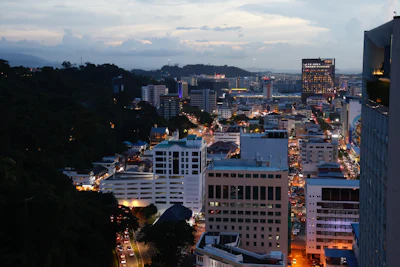
Malacca offers a unique blend of history, culture, and affordability for digital nomads seeking a slow-paced lifestyle in Southeast Asia. With a compact walkable center, delicious street food, and reliable internet, it's an ideal base for budget-conscious remote workers.
- Est. Budget
- $630/mo
- Internet
- 70 Mbps
- Nomad Vibe
- 7/10
- Timezone
- UTC+8
📊 Remote Worker Score
Overall liveability breakdown for digital nomads.
💰 The Cost of Living
Estimated Budget: ~$630/mo
Rent is the biggest expense, but a modern 1-bedroom apartment in good areas like Melaka Raya costs around $300/month. Eating out is incredibly cheap, with local meals at $2–4. Utilities (electricity, water, internet) add about $50/month. Hidden costs include air conditioning usage (high electricity bills in humid months) and occasional Grab rides. Bargaining for long-term rentals can save $50–100/month.
🌤️ Weather & Climate
Malacca has a tropical monsoon climate with high humidity year-round. The hottest months are April to June, while the northeast monsoon from October to December brings heavy rain and occasional floods. The best time to visit is between November and February when the weather is slightly cooler and drier. Even during rain, mornings are often sunny, so outdoor activities are still possible. Light rain gear is essential.
| Season | Temp | Condition | Nomad Rating |
|---|---|---|---|
| Jan - Mar | 24-32°C | Rainy with sunny breaks | ⭐⭐⭐ |
| Apr - Jun | 24-33°C | Hot and humid | ⭐⭐⭐⭐ |
| Jul - Sep | 24-32°C | Frequent thunderstorms | ⭐⭐⭐ |
| Oct - Dec | 24-31°C | Northeast monsoon, heavy rain | ⭐⭐ |
Plan your trip for
Nov - Feb
💻 Workspace & Real Connectivity
Co-working spaces are limited but functional, with monthly dedicated desks averaging $100. Cafes in Jonker Street and Melaka Raya offer decent Wi-Fi, but can get noisy. Most accommodations have reliable home internet (50–100 Mbps). Many nomads work from home or at nearby libraries. For stable connectivity, a backup mobile hotspot is recommended.
- Stability: Generally stable with rare outages during heavy storms.
- eSIM: Available via Airalo and Holafly – good coverage.
- Local SIM: ~10 USD/mo for unlimited 4G/5G data from Celcom or Digi.
🏠 Everyday Life Essentials
Before packing your bags, here are the practical details about living in Malacca. Knowing these nuances can make or break your remote setup.
🚑 Safety & Healthcare
Malacca has several private and public hospitals, such as Mahkota Medical Centre, offering quality care at reasonable prices. General consultations cost around $15–30. Pharmacies are widely stocked. Emergency services are reliable but may have language barriers. The city is generally safe, with low violent crime, though petty theft can occur in crowded tourist spots.
🍜 Food Scene
Malacca is a food paradise, famous for Nyonya cuisine, chicken rice balls, and cendol. Street food stalls offer meals for $1–3, and sit-down restaurants cost $5–10. Tap water is not safe to drink – use bottled water or a filter. The food hygiene is generally good, but stick to busy stalls for freshness. Vegetarian and vegan options are increasing, especially around Jonker Street.
Local Meal Avg.
🛵 Getting Around (Transport)
The city center is very walkable, especially around Jonker Street and the river. For longer distances, Grab rides cost $2–5. Local buses are cheap but infrequent and hard to navigate. Cycling is possible but risky due to lack of dedicated lanes. For day trips, renting a car is around $25/day. The airport is small with limited international flights; most fly via Kuala Lumpur.
- Ride-hailing: Grab is widely used and affordable; Bolt also available.
- Scooter: Not recommended – traffic in the center and heat make walking or Grab better.
- Airport: Malacca Airport is 10 km away (~20 min taxi).
- Traffic: Moderate congestion near tourist spots during peak hours.
Monthly Transit Budget
Estimated cost for local transport, scooter rental, or ride-hailing apps.
🛂 Visas & Nomad Taxes
Many nationalities enjoy visa-free entry for up to 90 days, extendable once for another 90 days via a trip to immigration. The Malaysia My Second Home (MM2H) program offers long-term stays for qualifying applicants. For digital nomads, a social visit pass extension is common, but you may need to exit and re-enter after 90 days. Always check the latest immigration rules as policies can change.
💼 Tax Landscape
Malaysia does not tax foreign-sourced income for non-residents, but digital nomads staying longer than 182 days may become tax residents. There is no specific nomad visa, but MM2H allows long stays with certain financial requirements. Income earned locally is taxed at progressive rates. Consult a tax professional to ensure compliance, especially if working for overseas clients.
Common Visas
- Visa-free 90 days for many nationalities
- Malaysia My Second Home (MM2H)
- Social Visit Pass extensions
🗣️ Language & Culture
Malacca is a multicultural mix of Malay, Chinese, and Portuguese influences. Dress modestly when visiting temples or mosques. English is widely spoken in tourist areas, but learning a few Malay phrases helps. Remove shoes before entering homes. Tipping is not expected but appreciated. Public displays of affection are less common; keep it subtle.
English Proficiency
🗺️ Best Areas for Remote Workers
| Area | Avg Rent | Noise | Walkability | Best For |
|---|---|---|---|---|
| Jonker Street | $350/mo | Lively | 9/10 | Nightlife and tourists |
| Taman Melaka | $250/mo | Quiet | 7/10 | Families and long-term stays |
| Ayer Keroh | $300/mo | Quiet | 5/10 | Nature lovers and outskirts |
| Melaka Raya | $280/mo | Moderate | 8/10 | Dining and casual living |
🏠 Everyday Life Pros & Cons
👍 Pros
- ✅ Extremely affordable cost of living
- ✅ Rich historical and cultural heritage
- ✅ Delicious and diverse street food
- ✅ Friendly and English-speaking locals
- ✅ Compact, walkable city center
- ✅ Reliable internet for remote work
👎 Cons
- ❌ High humidity and frequent rain showers
- ❌ Limited nightlife compared to Kuala Lumpur
- ❌ Occasional flooding in low-lying areas
- ❌ Some language barriers outside tourist zones
- ❌ Traffic congestion in the old town
- ❌ Few dedicated co-working spaces
⚠️ Common Mistakes in Malacca
Avoid these beginner traps to save money and stress:
- — Renting a scooter without an international license – police checkpoints are common.
- — Expecting 24-hour nightlife – many places close by midnight.
- — Not carrying enough cash in smaller shops and wet markets.
- — Ignoring monsoon season (Oct–Dec) when planning a visit.
- — Staying in overly touristy Jonker Street and paying double for rent.
- — Thinking tap water is safe – always buy bottled or filter.
- — Skipping Grab for local buses – buses are infrequent and confusing.
💬 Remote Worker Reviews
📊 Data Sources & Methodology
To ensure accuracy, the cost of living index and city data are aggregated from multiple global databases:
Internet speeds: Ookla Speedtest Global Index.
Safety & Crime: Numbeo Safety Index and global crime reports.
Air Quality (AQI): IQAir realtime data.
Budgeting: Aggregated from Numbeo, NomadList, and localized expat housing communities.
* AI analysis provided by Google AI algorithms trained on the latest remote work trends.
How does Malacca compare?
Compare living costs and stats with other popular nomad destinations.