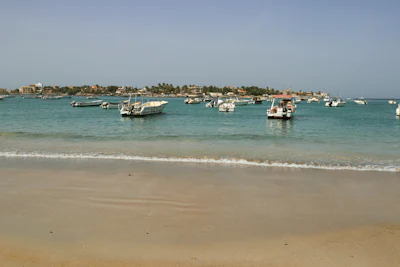
Remote Work Guide to Grand Baie
Grand Baie is a vibrant coastal hub in northern Mauritius, offering a compelling mix of tropical lifestyle, reliable infrastructure, and a growing nomad community. With a Premium Visa option, stable internet, and affordable living costs, it's an ideal base for remote workers seeking beachside productivity.
- Est. Budget
- $1300/mo
- Internet
- 50 Mbps
- Nomad Vibe
- 8/10
- Timezone
- UTC+4
📊 Remote Worker Score
Overall liveability breakdown for digital nomads.
💰 The Cost of Living
Estimated Budget: ~$1300/mo
Rent is the biggest expense, with a one-bedroom apartment in Grand Baie ranging from $600 to $900 per month depending on location and amenities. Utilities like electricity and air conditioning can add $100–200, especially in summer. Groceries and eating out are moderately priced; a local meal costs around $10, while imported goods are markedly expensive. Coworking memberships average $200, and gym memberships around $40, making the total monthly budget for a single nomad roughly $1,500–$2,000.
🌤️ Weather & Climate
Grand Baie experiences a tropical monsoon climate with warm temperatures year-round. The cooler, drier winter from May to October is the best time to visit, offering blue skies and comfortable humidity. Summer from November to April is hotter and more humid, with frequent tropical showers and the occasional cyclone between December and March. Even during the rainy season, mornings are usually sunny with short afternoon downpours. Overall, the weather is pleasant for 8 months of the year, making it easy to enjoy outdoor activities.
| Season | Temp | Condition | Nomad Rating |
|---|---|---|---|
| Jan - Mar | 25-31°C | Hot, humid, cyclones possible | ⭐⭐⭐ |
| Apr - Jun | 22-28°C | Pleasant, less humidity, occasional rain | ⭐⭐⭐⭐ |
| Jul - Sep | 18-25°C | Cool and dry, best for outdoor activities | ⭐⭐⭐⭐⭐ |
| Oct - Dec | 23-30°C | Warming up, increasing humidity, start of rainy season | ⭐⭐⭐⭐ |
Plan your trip for
May - Oct
💻 Workspace & Real Connectivity
Grand Baie has several quality coworking spaces such as SohoMuse and Regus, offering dedicated desks from $200 per month with fast fiber internet. Many cafés also have reliable Wi-Fi, but during peak hours they can be crowded. Internet speed averages 50 Mbps, sufficient for video calls and downloads. Power outages are rare but can occur during cyclones; it's wise to have a mobile data backup. Overall, the workspace infrastructure is solid for digital nomads.
- Stability: Highly stable fiber optic; rare power cuts during storms
- eSIM: Available via Airalo and Holafly with decent coverage
- Local SIM: ~10 USD/mo for 20GB 4G/5G from local providers like Emtel or My.t
🏠 Everyday Life Essentials
Before packing your bags, here are the practical details about living in Grand Baie. Knowing these nuances can make or break your remote setup.
🚑 Safety & Healthcare
Healthcare in Mauritius is of good standard, with private clinics in Grand Baie and well-equipped hospitals in nearby cities like Port Louis. Many doctors speak English and are trained abroad. For serious conditions, medical evacuation to Réunion or South Africa is possible but costly. It's strongly recommended to have comprehensive health insurance. Safety is high, with low crime rates, though petty theft like bag snatching can occur in tourist areas.
🍜 Food Scene
Mauritian cuisine is a fusion of Indian, Creole, Chinese, and French influences, offering a rich variety of flavors. Local street food like dholl puri and samosas are cheap and delicious, while seafood is abundant and fresh. Tap water is not safe to drink; most residents use bottled or filtered water. Eating out at casual restaurants costs around $10–15, while a nice dinner can be $30. The food scene is a highlight for many nomads.
Local Meal Avg.
🛵 Getting Around (Transport)
Grand Baie is moderately walkable within the central strip, but most errands require a scooter or car rental. Scooters are the preferred mode of transport for locals and nomads, costing around $100-150 per month to rent. Public buses are cheap but infrequent and don't cover all areas. Ride-hailing via Bolt is reliable for longer trips. Traffic jams are common on weekends and holidays, so plan accordingly.
- Ride-hailing: Bolt and local taxis are widely available; no Uber
- Scooter: Essential for exploring the coast and avoiding traffic
- Airport: 70 km, about 1 hour by taxi (approx 30-40 USD)
- Traffic: Moderate congestion around the main strip on weekends and holidays
Monthly Transit Budget
Estimated cost for local transport, scooter rental, or ride-hailing apps.
🛂 Visas & Nomad Taxes
Mauritius offers a Premium Visa that allows remote workers to stay for up to one year, renewable, provided you earn at least $1,500/month and hold valid health insurance. The application is straightforward and can be done online before arrival. For shorter stays, a 90-day tourist visa is available on arrival to over 100 nationalities. Some nomads do border runs to Réunion or Seychelles, but the Premium Visa is highly recommended for hassle-free long stays.
💼 Tax Landscape
Mauritius operates a territorial tax system, meaning income earned outside the country is not taxed locally for residents. However, the Premium Visa does not confer tax residency, so nomads remain liable for taxes in their home country. To become a tax resident, you need to spend more than 183 days in Mauritius and meet other criteria. Many nomads find this favorable, but professional advice is recommended to avoid double taxation issues.
Common Visas
- Premium Visa (1 year renewable)
- Tourist visa (up to 90 days)
- Business visa
🗣️ Language & Culture
Mauritius is a multicultural society where Hindu, Christian, Muslim, and Chinese traditions coexist harmoniously. The official language is English, but French and Mauritian Creole are widely spoken. Politeness is highly valued; greetings and small talk are important. Dress modestly when visiting religious sites. The pace of life is relaxed, which can be a refreshing adjustment for nomads coming from fast-paced cities.
English Proficiency
🗺️ Best Areas for Remote Workers
| Area | Avg Rent | Noise | Walkability | Best For |
|---|---|---|---|---|
| Grand Baie Center | $800/mo | Lively | 8/10 | Nightlife and dining |
| Pereybère | $700/mo | Quiet | 6/10 | Beach lovers and families |
| Cap Malheureux | $650/mo | Quiet | 4/10 | Peaceful escapes |
| Mont Choisy | $720/mo | Quiet | 7/10 | Beach access and water sports |
🏠 Everyday Life Pros & Cons
👍 Pros
- ✅ Stunning beaches and clear lagoons
- ✅ Stable fiber optic internet
- ✅ English widely spoken
- ✅ Low crime rate
- ✅ Excellent seafood and diverse cuisine
- ✅ Favorable tax regime for remote workers
👎 Cons
- ❌ Utilities and imported goods can be pricey
- ❌ Nightlife is limited outside weekends
- ❌ High humidity and heat in summer (Nov-Apr)
- ❌ Bureaucratic hurdles for long-term permits
- ❌ Cyclone risk during December to March
- ❌ Public transport is infrequent outside main routes
⚠️ Common Mistakes in Grand Baie
Avoid these beginner traps to save money and stress:
- — Not getting an international driving permit before renting a scooter
- — Underestimating the cost of air conditioning in summer (electricity bills spike)
- — Drinking tap water without boiling or filtering
- — Assuming Uber operates everywhere (use Bolt or local taxis instead)
- — Forgetting to apply for a Premium Visa before arrival to avoid visa runs
- — Booking accommodations far from the main strip without a scooter
- — Ignoring cyclone warnings during wet season (December to March)
💬 Remote Worker Reviews
📊 Data Sources & Methodology
To ensure accuracy, the cost of living index and city data are aggregated from multiple global databases:
Internet speeds: Ookla Speedtest Global Index.
Safety & Crime: Numbeo Safety Index and global crime reports.
Air Quality (AQI): IQAir realtime data.
Budgeting: Aggregated from Numbeo, NomadList, and localized expat housing communities.
* AI analysis provided by Google AI algorithms trained on the latest remote work trends.
How does Grand Baie compare?
Compare living costs and stats with other popular nomad destinations.