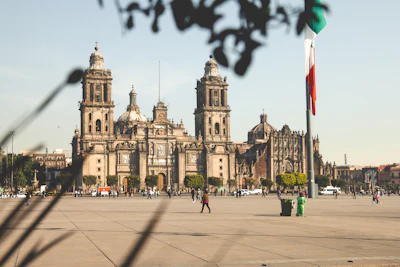
Remote Work Guide to San Cristóbal de las Casas
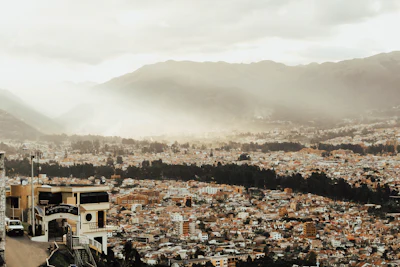
San Cristóbal de las Casas offers a unique blend of colonial charm and indigenous culture at a very low cost. It's ideal for digital nomads seeking a quieter, nature-oriented lifestyle with a strong expat community.
- Est. Budget
- $665/mo
- Internet
- 20 Mbps
- Nomad Vibe
- 8/10
- Timezone
- UTC-6
📊 Remote Worker Score
Overall liveability breakdown for digital nomads.
💰 The Cost of Living
Estimated Budget: ~$665/mo
The overall monthly cost for a single digital nomad in San Cristóbal is around $700-$900 USD. Rent for a one-bedroom apartment in the center is about $350, while food is very affordable, with local meals around $5. Coworking spaces cost around $100 per month. Hidden costs include higher electricity usage for heating in winter and occasional bottled water expenses. Negotiating long-term rentals directly with landlords can yield better rates.
🌤️ Weather & Climate
San Cristóbal enjoys a subtropical highland climate, meaning mild temperatures year-round with cooler evenings. Daytime highs range from 20-25°C, while nights can drop to 8-12°C. The dry season from November to April offers the best weather with clear skies and little rain. The rainy season (May to October) brings daily afternoon showers but still plenty of sun. Overall, it's comfortable for outdoor activities most of the year.
| Season | Temp | Condition | Nomad Rating |
|---|---|---|---|
| Jan - Mar | 10-22°C | Dry and sunny | ⭐⭐⭐⭐ |
| Apr - Jun | 14-25°C | Warm with occasional rain | ⭐⭐⭐ |
| Jul - Sep | 13-23°C | Rainy season, frequent showers | ⭐⭐ |
| Oct - Dec | 11-21°C | Cooler and drier | ⭐⭐⭐⭐ |
Plan your trip for
Nov - Apr
💻 Workspace & Real Connectivity
Coworking spaces like 'La Casa de la Luna' and 'Un Café con Ciencia' offer reliable internet (20-30 Mbps) and a community vibe. Many cafés also have good WiFi, though it's wise to have a backup hotspot. Internet outages are infrequent but can happen during storms. Overall, connectivity is adequate for most remote work, but heavy video calling may struggle during peak hours.
- Stability: Occasional drops during rainstorms; overall moderate
- eSIM: Available via Airalo and Holafly
- Local SIM: ~15 USD/mo for 10GB 4G
🏠 Everyday Life Essentials
Before packing your bags, here are the practical details about living in San Cristóbal de las Casas. Knowing these nuances can make or break your remote setup.
🚑 Safety & Healthcare
There are several private clinics and hospitals in San Cristóbal, but for serious conditions, patients often travel to Tuxtla Gutiérrez or Mexico City. Healthcare quality is average, with affordable consultations ($20-$40). Pharmacies are widely available. Safety is decent, but petty theft can occur in tourist areas. Take usual precautions at night.
🍜 Food Scene
Local cuisine is hearty and based on corn, beans, and cheese. Dishes like tamales, pozol, and cochinita pibil are abundant. Street food is safe and delicious, but avoid raw vegetables washed in tap water. Many restaurants cater to vegetarian and vegan diets. Tap water is unsafe to drink; use filtered or bottled water. Groceries are cheap at local markets.
Local Meal Avg.
🛵 Getting Around (Transport)
San Cristóbal is very walkable in the center, but cobblestone streets can be challenging. Public transport consists of colectivos (shared vans) and taxis, both cheap (rides under $2). Bicycles are common but steep hills limit cycling. For day trips, buses and organized tours are readily available. The city is not car-friendly; parking is scarce.
- Ride-hailing: Uber limited; local taxis and colectivos are standard
- Scooter: Not recommended due to cobblestone streets and altitude
- Airport: 1 hour from Tuxtla Gutiérrez airport via taxi or shuttle
- Traffic: Low congestion outside Centro
Monthly Transit Budget
Estimated cost for local transport, scooter rental, or ride-hailing apps.
🛂 Visas & Nomad Taxes
Mexico offers a 180-day tourist visa on arrival for most nationalities, which is sufficient for long stays. For longer periods, a Temporary Resident visa can be obtained through financial solvency or work with a Mexican employer. Many nomads do border runs to Belize or Guatemala to reset their tourist visa, though this may become stricter in the future.
💼 Tax Landscape
Mexico uses a territorial tax system, so remote workers earning income from abroad are not subject to local income tax as long as they stay under 183 days per year. For longer stays, they may become tax residents and owe taxes on worldwide income. It's advisable to consult a tax professional. No specific nomad visa exits yet, but the temporary resident visa allows legal stays beyond 180 days.
Common Visas
- Tourist (180 days)
- Temporary Resident
- Student Visa
🗣️ Language & Culture
San Cristóbal is deeply rooted in indigenous Tzotzil and Tzeltal cultures. Respect local customs, especially when photographing people. Dress modestly when visiting churches. Spanish is essential for day-to-day interactions; English is rare outside tourist areas. Tipping 10-15% is customary in restaurants. The pace of life is slow; patience is appreciated.
English Proficiency
🗺️ Best Areas for Remote Workers
| Area | Avg Rent | Noise | Walkability | Best For |
|---|---|---|---|---|
| Centro | $450/mo | Lively | 9/10 | Nightlife |
| Barrio de Guadalupe | $300/mo | Quiet | 7/10 | Families |
| El Cerrillo | $280/mo | Quiet | 6/10 | Budget travelers |
| Santa Lucia | $400/mo | Moderate | 8/10 | Artists |
🏠 Everyday Life Pros & Cons
👍 Pros
- ✅ Very low cost of living
- ✅ Rich indigenous culture and colorful markets
- ✅ Mild year-round climate
- ✅ Strong sense of community among expats
- ✅ Beautiful colonial architecture
- ✅ Access to nature and hiking trails
👎 Cons
- ❌ Limited high-speed internet reliability
- ❌ Basic English proficiency among locals
- ❌ Frequent power outages
- ❌ Limited nightlife compared to bigger cities
- ❌ Tap water not drinkable
- ❌ Healthcare facilities are basic, serious cases require travel
⚠️ Common Mistakes in San Cristóbal de las Casas
Avoid these beginner traps to save money and stress:
- — Drinking tap water without purification
- — Assuming all restaurants accept credit cards
- — Not bringing a jacket; evenings can get chilly
- — Underestimating the altitude and taking it easy the first few days
- — Relying solely on Uber or ride-sharing; taxis are more common
- — Not learning basic Spanish phrases; English is rarely spoken outside tourist areas
- — Forgetting to bring cash for street vendors and small markets
💬 Remote Worker Reviews
📊 Data Sources & Methodology
To ensure accuracy, the cost of living index and city data are aggregated from multiple global databases:
Internet speeds: Ookla Speedtest Global Index.
Safety & Crime: Numbeo Safety Index and global crime reports.
Air Quality (AQI): IQAir realtime data.
Budgeting: Aggregated from Numbeo, NomadList, and localized expat housing communities.
* AI analysis provided by Google AI algorithms trained on the latest remote work trends.
How does San Cristóbal de las Casas compare?
Compare living costs and stats with other popular nomad destinations.