Remote Work Guide to The Hague
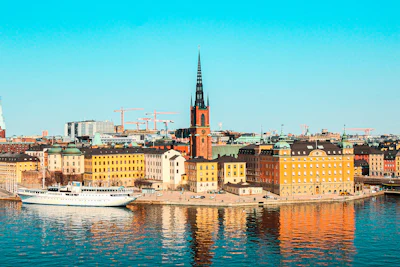
The Hague is a surprisingly affordable alternative to Amsterdam, blending Dutch efficiency with a laid-back beach vibe. Digital nomads will find excellent infrastructure, high English proficiency, and a strong expat community, though the cost of living remains high.
- Est. Budget
- $2190/mo
- Internet
- 100 Mbps
- Nomad Vibe
- 7/10
- Timezone
- UTC+1
📊 Remote Worker Score
Overall liveability breakdown for digital nomads.
💰 The Cost of Living
Estimated Budget: ~$2190/mo
Rent is the biggest expense, averaging $1,400 for a one-bedroom apartment in the city center; cheaper options exist in neighborhoods like Laak. Groceries are moderate (about $350–$500/month), but eating out adds up quickly with a basic meal costing $18. Hidden costs include municipality taxes (around $500/year) and mandatory health insurance ($100–$150/month). To save, use a bike instead of public transport and cook at home—many expats share apartments to cut costs.
🌤️ Weather & Climate
The Hague experiences an oceanic climate with mild summers and cool, damp winters. Average highs range from 6°C in January to 22°C in August, with rainfall spread evenly throughout the year—expect about 200 rainy days. The best time to visit is late spring through early autumn (May to September) when temperatures are pleasant and daylight hours long. Even in summer, pack a raincoat and layers, as sudden showers are common.
| Season | Temp | Condition | Nomad Rating |
|---|---|---|---|
| Jan - Mar | 1-8°C | Cold, cloudy, frequent rain | ⭐⭐ |
| Apr - Jun | 6-20°C | Mild, increasing sunshine, occasional showers | ⭐⭐⭐⭐ |
| Jul - Sep | 12-22°C | Warmest months, pleasant, some rain | ⭐⭐⭐⭐⭐ |
| Oct - Dec | 3-12°C | Cool, windy, frequent rain and grey skies | ⭐⭐ |
Plan your trip for
May - Sep
💻 Workspace & Real Connectivity
The Hague has dozens of coworking spaces, from trendy spots like B-Plein and Seats2Meet to quiet libraries. Monthly dedicated desks average $300, with day passes around $20–$30. Internet is excellent—fiber speeds up to 1 Gbps are common, and public WiFi is available in many cafes. The city is also rolling out 5G extensively. For a change of scenery, the Scheveningen beach promenade offers outdoor workspaces with ocean views.
- Stability: Highly stable; fiber optic widely available, rare outages
- eSIM: Available via Airalo, Holafly, and local providers like KPN
- Local SIM: ~15 USD/mo for unlimited 5G data from providers like T-Mobile or Vodafone
🏠 Everyday Life Essentials
Before packing your bags, here are the practical details about living in The Hague. Knowing these nuances can make or break your remote setup.
🚑 Safety & Healthcare
Healthcare in the Netherlands is excellent, with modern hospitals like HagaZiekenhuis and top-rated clinics. All residents must have basic health insurance (around €100–€130/month), which covers GP visits, hospital care, and prescriptions. Emergency services are efficient—call 112. Pharmacies (apotheek) are widely available, and most medications are covered. Travel insurance is sufficient for short stays, but for longer visits, Dutch insurance is mandatory and non-negotiable.
🍜 Food Scene
Dutch cuisine is hearty but not flashy—think stamppot (mashed potatoes with veggies), herring, and stroopwafels. The city offers a diverse food scene, with Indonesian, Surinamese, and Middle Eastern restaurants reflecting its colonial history. A decent meal out runs $15–$25; street food like fries with mayo is cheaper. Tap water is perfectly safe and free. Supermarkets like Albert Heijn are everywhere, but dining out is expensive—budget accordingly.
Local Meal Avg.
🛵 Getting Around (Transport)
The Hague is extremely walkable and bike-friendly, with dedicated cycle paths everywhere. The public transport network (trams, buses, trains) is punctual and integrated—a monthly pass costs about $90. For longer trips, the intercity train to Amsterdam takes 30 minutes. Ridesharing (Uber/Bolt) is available but pricey. Avoid driving unless necessary—parking is scarce and expensive. Many locals bike regardless of weather; a decent second-hand bike costs $100–$200.
- Ride-hailing: Uber and Bolt available; wait times moderate outside peak hours
- Scooter: Not essential; bikes are more common and parking is easier
- Airport: 45–60 minutes by train to Schiphol Airport
- Traffic: Moderate congestion during rush hours; bike lanes make cycling faster
Monthly Transit Budget
Estimated cost for local transport, scooter rental, or ride-hailing apps.
🛂 Visas & Nomad Taxes
Non-EU nomads can stay up to 90 days in any 180-day period under the Schengen visa waiver. US citizens have an additional option: the Dutch American Friendship Treaty (DAFT), which allows self-employment and residence without a job offer—perfect for freelancers. If you plan to stay longer, consider the highly skilled migrant visa (requires a Dutch employer) or a remote work visa from another country while staying under 90 days. Note that tax residency kicks in after 183 days, so plan carefully.
💼 Tax Landscape
If you stay over 183 days in a year, you become a Dutch tax resident and must file taxes—income tax rates are high (up to 49.5%). However, the Netherlands offers the 30% ruling for expats with specific skills (tax-free allowance on 30% of salary for up to 5 years). Freelancers can register with the KVK and may qualify for small business tax deductions. Digital nomads on a tourist visa are not taxable, but you cannot work for a Dutch company legally without a work permit.
Common Visas
- 90-day Schengen tourist visa
- Dutch American Friendship Treaty (US citizens)
- Highly skilled migrant visa (requires job contract)
🗣️ Language & Culture
Dutch culture values directness, punctuality, and efficiency—don’t take blunt comments as rudeness. English is universally spoken, so language barriers are minimal, but learning a few Dutch phrases is appreciated. Bicycle etiquette is strict: use bike lanes, ring your bell when passing, and lock your bike securely. Tipping is not expected but rounding up the bill is common. Queuing is orderly, and always greet the shop assistant when entering a store.
English Proficiency
🗺️ Best Areas for Remote Workers
| Area | Avg Rent | Noise | Walkability | Best For |
|---|---|---|---|---|
| Centrum | $1500/mo | Lively | 9/10 | Nightlife & city living |
| Statenkwartier | $1600/mo | Quiet | 8/10 | Families & upscale living |
| Scheveningen | $1300/mo | Moderate | 7/10 | Beach lovers & outdoor activities |
| Laak | $1100/mo | Moderate | 6/10 | Budget-friendly & multicultural vibe |
🏠 Everyday Life Pros & Cons
👍 Pros
- ✅ Excellent English proficiency across the city
- ✅ World-class healthcare and safety standards
- ✅ Highly bikeable and well-connected public transport
- ✅ Central location for exploring Europe
- ✅ Vibrant cultural scene with museums and beaches
- ✅ Strong expat communities and networking events
👎 Cons
- ❌ High cost of living, especially rent
- ❌ Frequent rain and overcast skies
- ❌ Competitive housing market with scams
- ❌ Strict bureaucracy for registration permits
- ❌ Limited nightlife compared to Amsterdam
- ❌ High income taxes if you become a tax resident
⚠️ Common Mistakes in The Hague
Avoid these beginner traps to save money and stress:
- — Not registering with the municipality (BRP) within 5 days of arrival
- — Assuming you can rent without a Dutch bank account – get a BSN first
- — Underestimating the housing deposit (often 2-3 months rent)
- — Forgetting to get mandatory health insurance (€100+/month)
- — Relying on Uber instead of buying a bicycle
- — Not checking lease contracts for hidden fees or short-term clauses
- — Ignoring the tax implications for remote work – you may owe Dutch taxes after 183 days
💬 Remote Worker Reviews
📊 Data Sources & Methodology
To ensure accuracy, the cost of living index and city data are aggregated from multiple global databases:
Internet speeds: Ookla Speedtest Global Index.
Safety & Crime: Numbeo Safety Index and global crime reports.
Air Quality (AQI): IQAir realtime data.
Budgeting: Aggregated from Numbeo, NomadList, and localized expat housing communities.
* AI analysis provided by Google AI algorithms trained on the latest remote work trends.
How does The Hague compare?
Compare living costs and stats with other popular nomad destinations.