Remote Work Guide to Utrecht
Utrecht offers a beautiful canal-side lifestyle with excellent infrastructure for remote work, but the high cost of living and housing shortage are significant challenges. It's a safe, bike-friendly city with a strong expat community and top-notch internet.
- Est. Budget
- $2150/mo
- Internet
- 200 Mbps
- Nomad Vibe
- 8/10
- Timezone
- UTC+1
📊 Remote Worker Score
Overall liveability breakdown for digital nomads.
💰 The Cost of Living
Estimated Budget: ~$2150/mo
Rent is the biggest expense, with a furnished one-bedroom apartment averaging $1,400/month in Utrecht. Groceries are moderate, but eating out costs $15-20 per meal. Surprisingly, utilities (electricity, gas) can add $200/month due to energy costs. Monthly transport via bike (free) and occasional trains is about $100. Hidden costs include mandatory health insurance ($120/month) and municipal taxes.
🌤️ Weather & Climate
Utrecht has an oceanic climate with mild summers and cool winters. The best time to visit is from May to September when temperatures range from 15 to 22°C and the days are long and sunny. Rain is common year-round, so always carry an umbrella. Winters are chilly (1-6°C) and often overcast, with occasional snow. The city is charming in spring when the canals are lined with blooming flowers.
| Season | Temp | Condition | Nomad Rating |
|---|---|---|---|
| Jan - Mar | 1-9°C | Overcast, rain, occasional frost | ⭐⭐ |
| Apr - Jun | 6-19°C | Mild, blooming tulips, more sun | ⭐⭐⭐⭐ |
| Jul - Sep | 12-22°C | Warm, pleasant, occasional showers | ⭐⭐⭐⭐⭐ |
| Oct - Dec | 2-11°C | Cold, windy, frequent rain | ⭐⭐ |
Plan your trip for
May - Sep
💻 Workspace & Real Connectivity
Coworking spaces like Spaces and Seats2Meet offer dedicated desks for around $200/month with fast Wi-Fi and coffee. Internet at home averages 200 Mbps fiber, very reliable. Many cafes (e.g., Koffie Leute) are laptop-friendly but require buying a drink every hour. Libraries and public spaces also have free Wi-Fi. The city has a growing number of remote work hubs.
- Stability: Highly stable, rare power cuts
- eSIM: Available via Airalo and Holafly (eSIM with Dutch networks)
- Local SIM: ~20 EUR/mo for unlimited 5G data
🏠 Everyday Life Essentials
Before packing your bags, here are the practical details about living in Utrecht. Knowing these nuances can make or break your remote setup.
🚑 Safety & Healthcare
The Dutch healthcare system is excellent with top-rated hospitals like UMC Utrecht. All residents must have private health insurance (about $120/month), which covers most services. Wait times for non-emergencies can be long, but emergency care is fast and efficient. Pharmacies are widely available, and English is spoken at all medical facilities. Safety is very high – Utrecht is one of the safest cities in Europe.
🍜 Food Scene
Dutch cuisine includes stroopwafels, bitterballen, and cheese, but the food scene is diverse with many Indonesian, Surinamese, and Mediterranean restaurants. A typical meal will cost $15-20. Tap water is perfectly safe and free. Supermarkets like Albert Heijn are everywhere. Street food is limited but good at markets like the Vredenburg Saturday market. Vegan and organic options are abundant.
Local Meal Avg.
🛵 Getting Around (Transport)
Utrecht is extremely walkable and bike-friendly. Most neighborhoods are within a 15-minute bike ride from the city center. The train station (Utrecht Centraal) is the busiest in the Netherlands, connecting you to Amsterdam in 30 minutes. Trams and buses are reliable but not needed if you bike. Parking is expensive and scarce, so most locals avoid cars. For longer trips, the OV-chipkaart is essential.
- Ride-hailing: Uber and Bolt are available but expensive; taxis are reliable
- Scooter: Not essential – biking is faster and cheaper. Scooters require license and helmet
- Airport: 30 min by direct train from Utrecht Centraal to Schiphol
- Traffic: Moderate; bike lanes are excellent, car traffic is congested near city center
Monthly Transit Budget
Estimated cost for local transport, scooter rental, or ride-hailing apps.
🛂 Visas & Nomad Taxes
The Netherlands offers the Schengen visa for stays up to 90 days, but digital nomads often use a tourist visa while exploring longer-term options. For stays over 90 days, you can apply for a Dutch freelance visa (Verblijf als zelfstandige) or the Highly Skilled Migrant permit if employed by a company. The 30% ruling can provide a tax advantage for qualifying knowledge migrants. Border runs are not recommended due to strict Schengen rules.
💼 Tax Landscape
The Netherlands has a progressive income tax system, but digital nomads can benefit from the 30% ruling if they are hired by a Dutch company and meet certain criteria. Freelancers will need to register with the Chamber of Commerce (KVK) and pay income tax plus social contributions. There is no specific digital nomad visa, but a freelance permit (DVZA) is possible if you prove sufficient income. Tax returns are filed annually with the Belastingdienst.
Common Visas
- Schengen Tourist (90 days)
- Digital Nomad (not specific, but Dutch freelancer visa possible)
- Highly Skilled Migrant
🗣️ Language & Culture
Dutch culture values directness, punctuality, and planning ahead. It's polite to greet with a handshake and make eye contact. English is widely spoken, but learning a few Dutch phrases (like 'Dank je wel') is appreciated. Biking is the default mode, and you should always lock your bike properly. Tipping is not mandatory but rounding up the bill is common. The Dutch have a relaxed attitude toward lifestyle, and the city is very LGBTQ+ friendly.
English Proficiency
🗺️ Best Areas for Remote Workers
| Area | Avg Rent | Noise | Walkability | Best For |
|---|---|---|---|---|
| Binnenstad | $1,800/mo | Lively | 10/10 | Nightlife & tourists |
| Wilhelminapark | $1,600/mo | Quiet | 8/10 | Families & green spaces |
| Oog in Al | $1,400/mo | Moderate | 7/10 | Remote workers & affordability |
| Zuilen | $1,200/mo | Quiet | 6/10 | Budget-conscious nomads |
🏠 Everyday Life Pros & Cons
👍 Pros
- ✅ Excellent bike infrastructure
- ✅ Central location in Europe
- ✅ High level of English spoken
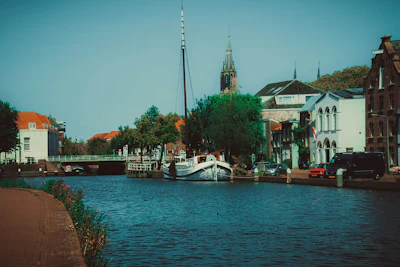
- ✅ Beautiful canals and historic center
- ✅ Thriving expat and startup scene
- ✅ Safe and clean city
👎 Cons
- ❌ Very high cost of living
- ❌ Housing shortage and competitive rental market
- ❌ Cold and rainy winters
- ❌ Limited nightlife compared to Amsterdam
- ❌ Bureaucracy for residence permits
- ❌ Dutch income tax can be high for freelancers
⚠️ Common Mistakes in Utrecht
Avoid these beginner traps to save money and stress:
- — Not registering with the municipality (BRP) within 5 days of arrival
- — Relying on a scooter without a valid Dutch driver's license
- — Assuming you can pay rent with cash
- — Underestimating the mandatory health insurance cost
- — Forgetting to bring a raincoat – it rains a lot
- — Signing a lease without reading the Dutch tenant rights
- — Expecting restaurants to be open late on Sundays
💬 Remote Worker Reviews
📊 Data Sources & Methodology
To ensure accuracy, the cost of living index and city data are aggregated from multiple global databases:
Internet speeds: Ookla Speedtest Global Index.
Safety & Crime: Numbeo Safety Index and global crime reports.
Air Quality (AQI): IQAir realtime data.
Budgeting: Aggregated from Numbeo, NomadList, and localized expat housing communities.
* AI analysis provided by Google AI algorithms trained on the latest remote work trends.
How does Utrecht compare?
Compare living costs and stats with other popular nomad destinations.