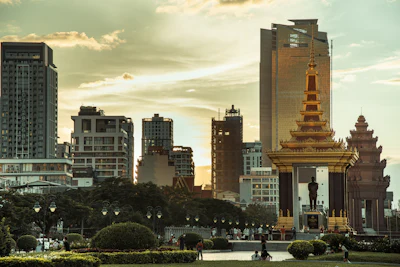
Remote Work Guide to Abuja
Abuja offers a low cost of living with a growing digital nomad scene, but challenges include unreliable utilities and safety concerns. It's best suited for budget-conscious remote workers who value a planned, green city and don't mind adapting to infrastructure gaps.
- Est. Budget
- $1130/mo
- Internet
- 15 Mbps
- Nomad Vibe
- 6/10
- Timezone
- UTC+1
📊 Remote Worker Score
Overall liveability breakdown for digital nomads.
💰 The Cost of Living
Estimated Budget: ~$1130/mo
Monthly living costs for a single person range from $1,000 to $1,500, excluding rent. Rent varies greatly by neighborhood; budget $500–$1,200 for a one-bedroom. Hidden costs include generators for power outages, purchasing bottled water, and paying for reliable internet (often $50–$80/month). Always negotiate rent and expect to pay 6–12 months upfront for the best deals.
🌤️ Weather & Climate
Abuja has a tropical wet and dry climate with two distinct seasons. The dry season from November to March is the most pleasant, with moderate temperatures and low humidity. The rainy season from April to October brings heavy downpours and occasional flooding, especially in July and August. The best time to visit is between November and February when the weather is cooler and outdoor activities are enjoyable.
| Season | Temp | Condition | Nomad Rating |
|---|---|---|---|
| Jan - Mar | 20-33°C | Dry and hot | ⭐⭐⭐⭐ |
| Apr - Jun | 22-34°C | Start of rains, humid | ⭐⭐⭐ |
| Jul - Sep | 21-30°C | Heavy rains, cooler | ⭐⭐ |
| Oct - Dec | 19-32°C | Dry season begins, pleasant | ⭐⭐⭐⭐⭐ |
Plan your trip for
Nov - Feb
💻 Workspace & Real Connectivity
Coworking spaces in Abuja, such as Workstation and Ventures Garden, offer dedicated desks for $100–$150/month. Most have backup power and decent Wi-Fi, but speeds still average 10–20 Mbps. Internet can be a major frustration—ensure your accommodation has fiber or a 4G backup. Cafes like Café Neo are popular for remote work, but may get crowded.
- Stability: Unstable with frequent outages; fiber is limited to certain neighborhoods
- eSIM: Available via Airalo but speeds may be lower than local SIM
- Local SIM: ~$10/month for 20GB 4G from MTN or Glo
🏠 Everyday Life Essentials
Before packing your bags, here are the practical details about living in Abuja. Knowing these nuances can make or break your remote setup.
🚑 Safety & Healthcare
Healthcare in Abuja is average; there are private hospitals like Cedarcrest and Medicare Hospital that meet international standards but are costly. For serious emergencies, medical evacuation to South Africa or Europe is common. Pharmacies are widely available, but prescription drugs may require a local doctor's note. Travel insurance with evacuation coverage is strongly recommended.
🍜 Food Scene
Local meals like jollof rice and grilled fish cost $3–$6, while Western food in restaurants is $10–$20. Street food is cheap but hygiene varies. Tap water is not safe; always drink bottled or filtered water. Supermarkets like ShopRite carry imported goods at a premium. The food scene is diverse with Nigerian, Lebanese, and Indian options.
Local Meal Avg.
🛵 Getting Around (Transport)
Abuja is not very walkable; most areas require a car or ride-hailing. Public transport consists of shared minibuses (danfos) and taxis, which are cheap but uncomfortable. Uber and Bolt are reliable but surge pricing is common. Traffic is moderate except around government zones. Many nomads opt for a private driver or car rental for flexibility.
- Ride-hailing: Uber and Bolt operate but can be expensive during surge
- Scooter: Not common; traffic and road conditions make it risky
- Airport: 40 mins from city center by car (Nnamdi Azikiwe Airport)
- Traffic: Moderate, worse during peak hours and around government areas
Monthly Transit Budget
Estimated cost for local transport, scooter rental, or ride-hailing apps.
🛂 Visas & Nomad Taxes
Nigeria offers a 30-day tourist visa on arrival for many nationalities, but it's best to apply in advance. For longer stays, a business visa (90 days) or a residence permit (CERPAC) is required. Nomads often use visa runs to neighboring countries like Ghana or Benin, but the process can be tedious and expensive. Always check the latest requirements as policies change frequently.
💼 Tax Landscape
Nigeria operates a pay-as-you-earn (PAYE) tax system. As a foreign remote worker, you may not be liable for local taxes if you stay less than 183 days, but always consult a tax professional. There is no specific nomad visa or tax exemption. Many nomads avoid long-term residency to stay below the threshold, but this carries risks if discovered.
Common Visas
- Tourist visa (30 days)
- Business visa (90 days)
- CERPAC (residence permit)
🗣️ Language & Culture
Nigerians are generally warm and respectful, but cultural norms differ. Dress modestly, especially in government areas. Punctuality is not always expected; meetings may start late. English is the official language, but learning a few phrases in Hausa or Yoruba is appreciated. Public displays of affection are frowned upon, and LGBTQ+ activities are illegal.
English Proficiency
🗺️ Best Areas for Remote Workers
| Area | Avg Rent | Noise | Walkability | Best For |
|---|---|---|---|---|
| Maitama | $1200/mo | Quiet | 6/10 | Diplomats and high-end living |
| Asokoro | $1000/mo | Quiet | 5/10 | Expats and families |
| Wuse 2 | $800/mo | Lively | 7/10 | Nightlife and dining |
| Gwarinpa | $500/mo | Moderate | 4/10 | Budget-friendly living |
🏠 Everyday Life Pros & Cons
👍 Pros
- ✅ Low cost of living compared to Western cities
- ✅ English widely spoken
- ✅ Friendly locals
- ✅ Growing expat community
- ✅ Green, planned city with parks
- ✅ Good access to regional travel
👎 Cons
- ❌ Unreliable electricity and internet
- ❌ High safety concerns, especially after dark
- ❌ Limited public transport options
- ❌ Tap water not drinkable
- ❌ LGBTQ+ not accepted
- ❌ Frequent traffic jams
⚠️ Common Mistakes in Abuja
Avoid these beginner traps to save money and stress:
- — Assuming tap water is safe to drink
- — Relying solely on one internet provider - always have a backup
- — Not negotiating rent prices upfront
- — Underestimating the need for cash - many places don't accept cards
- — Walking around with expensive gadgets in plain sight
- — Ignoring the rainy season when roads flood
- — Not getting a local SIM for affordable data
💬 Remote Worker Reviews
📊 Data Sources & Methodology
To ensure accuracy, the cost of living index and city data are aggregated from multiple global databases:
Internet speeds: Ookla Speedtest Global Index.
Safety & Crime: Numbeo Safety Index and global crime reports.
Air Quality (AQI): IQAir realtime data.
Budgeting: Aggregated from Numbeo, NomadList, and localized expat housing communities.
* AI analysis provided by Google AI algorithms trained on the latest remote work trends.
How does Abuja compare?
Compare living costs and stats with other popular nomad destinations.