Remote Work Guide to Manila
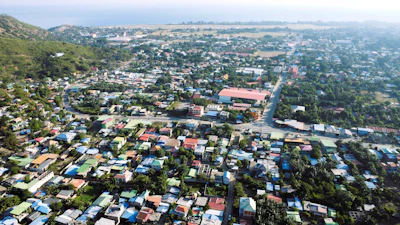
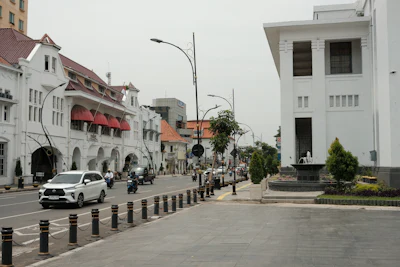
Manila offers an ultra-affordable base for digital nomads who thrive in vibrant, chaotic cities. With English widely spoken and a strong expat community, it's a great launchpad for exploring Southeast Asia.
- Est. Budget
- $980/mo
- Internet
- 30 Mbps
- Nomad Vibe
- 7/10
- Timezone
- UTC+8
📊 Remote Worker Score
Overall liveability breakdown for digital nomads.
💰 The Cost of Living
Estimated Budget: ~$980/mo
A monthly budget of $1,000–$1,500 covers a comfortable lifestyle including rent, food, transport, and entertainment. Rent for a decent one-bedroom in Makati or BGC ranges from $400 to $700, while local meals cost around $5. Hidden costs include electricity (air conditioning drives bills up) and bottled water. Rent is typically paid with a 2-month deposit and 1-month advance, so have cash ready.
🌤️ Weather & Climate
Manila has a tropical monsoon climate with two distinct seasons: dry (November to April) and wet (May to October). The dry season is pleasantly warm with lower humidity, while the wet season brings frequent heavy rains and typhoons, especially from July to September. The best time for nomads is from November to February when temperatures are cooler and skies are clearer. Even during the rainy season, mornings are often sunny, so outdoor plans can still happen with careful timing.
| Season | Temp | Condition | Nomad Rating |
|---|---|---|---|
| Jan - Mar | 24-31°C | Dry and warm, less humidity | ⭐⭐⭐⭐⭐ |
| Apr - Jun | 26-34°C | Hot and humid, start of rainy season | ⭐⭐⭐ |
| Jul - Sep | 25-31°C | Heavy monsoon rains and typhoons | ⭐⭐ |
| Oct - Dec | 24-30°C | Cooler, occasional rain | ⭐⭐⭐⭐ |
Plan your trip for
Nov - Feb
💻 Workspace & Real Connectivity
Coworking spaces in Makati and BGC are excellent, offering dedicated desks for $150–$200 per month with reliable fiber internet (30–50 Mbps). Coffee shops with strong Wi-Fi are plentiful, but many require a purchase. Some spaces have 24/7 access, and power cuts are rare in business districts. If you work from home, Globe and PLDT provide fiber plans for around $30/month.
- Stability: Moderate; occasional drops during storms but generally reliable in business districts
- eSIM: Available via Airalo and Holafly, but limited to data-only plans
- Local SIM: ~10 USD/month for 20GB 4G/5G data with Globe or Smart
🏠 Everyday Life Essentials
Before packing your bags, here are the practical details about living in Manila. Knowing these nuances can make or break your remote setup.
🚑 Safety & Healthcare
Hospitals like St. Luke's Medical Center and Makati Medical Center offer international-standard care at a fraction of Western prices. However, public hospitals can be overcrowded, so private insurance is recommended. Pharmacies are ubiquitous and well-stocked. Safety varies by area; stick to well-lit, busy streets at night and avoid displaying valuables. Overall, healthcare is decent but not top-tier.
🍜 Food Scene
Food is a highlight: local dishes like adobo, sinigang, and lechon are delicious and cheap ($2–$5). Street food is safe to eat hot but avoid raw items. Tap water is not drinkable, so always buy bottled or filtered water. International cuisine is also widely available, especially in BGC and Makati. Vegetarian options are limited but growing.
Local Meal Avg.
🛵 Getting Around (Transport)
Manila is not very walkable due to heat and uneven sidewalks, but BGC is an exception with good pedestrian infrastructure. The LRT and MRT are affordable but overcrowded; Grab cars are the nomad's best friend. Traffic is notoriously bad, so plan for 1-hour commutes even for short distances. Some nomads use motorcycles (Angkas) for speed, but it's risky.
- Ride-hailing: Grab is widely used; Bolt also operates but less coverage
- Scooter: Not recommended due to chaotic traffic and high accident rates
- Airport: 45 mins by car from central Manila to NAIA Terminal 3
- Traffic: Heavy during rush hours (7-10am, 5-9pm); notorious for gridlock
Monthly Transit Budget
Estimated cost for local transport, scooter rental, or ride-hailing apps.
🛂 Visas & Nomad Taxes
Most nationalities enter visa-free for 30 days, extendable up to 36 months through the 'balikbayan' privilege or by applying for a tourist visa extension at the Bureau of Immigration. There is no official digital nomad visa yet, but the long-term tourist extension is sufficient for most. Border runs to nearby countries like Hong Kong or Singapore are common for those needing to reset their visa.
💼 Tax Landscape
The Philippines uses a territorial tax system: only income earned within the country is taxed. Foreign-sourced income of digital nomads is generally not subject to local tax if they stay less than 183 days per year. However, those staying longer or earning locally should consult a tax professional. No specific nomad tax exemption exists yet, but the system is favorable for remote workers.
Common Visas
- 30-day visa-free
- Visa extension up to 36 months
- Balikbayan privilege
🗣️ Language & Culture
Filipinos are generally polite, hospitable, and family-oriented. Respect for elders ('po' and 'opo') is expected. English is an official language, so communication is easy. Dress modestly in churches and rural areas. Personal space is less of a thing; expect friendly touching and close conversations. Tipping is not mandatory but appreciated (10% in restaurants).
English Proficiency
🗺️ Best Areas for Remote Workers
| Area | Avg Rent | Noise | Walkability | Best For |
|---|---|---|---|---|
| Makati | $500/mo | Lively | 7/10 | Nightlife and coworking |
| Bonifacio Global City (BGC) | $700/mo | Moderate | 8/10 | Families and upscale living |
| Quezon City | $400/mo | Moderate | 5/10 | Budget-friendly living |
| Malate | $350/mo | Quiet | 6/10 | Students and artists |
🏠 Everyday Life Pros & Cons
👍 Pros
- ✅ Extremely affordable cost of living
- ✅ Friendly English-speaking locals
- ✅ Vibrant expat and digital nomad community
- ✅ Delicious and cheap street food
- ✅ Fast and reliable internet in major hubs
- ✅ Year-round warm weather
👎 Cons
- ❌ Notorious traffic congestion
- ❌ High crime rate in certain areas
- ❌ Frequent typhoons and monsoon rains
- ❌ Tap water is not drinkable
- ❌ Air pollution can be bad in some districts
- ❌ Limited green spaces in central Manila
⚠️ Common Mistakes in Manila
Avoid these beginner traps to save money and stress:
- — Not booking a Grab before leaving your apartment during peak hours
- — Renting an apartment without checking the air conditioning and water heater
- — Assuming tap water is safe to drink
- — Not carrying enough cash; small vendors often don't accept cards
- — Underestimating the humidity and packing only cotton clothes
- — Relying solely on jeepneys without learning the routes first
- — Ignoring the typhoon season and not having a backup power plan
💬 Remote Worker Reviews
📊 Data Sources & Methodology
To ensure accuracy, the cost of living index and city data are aggregated from multiple global databases:
Internet speeds: Ookla Speedtest Global Index.
Safety & Crime: Numbeo Safety Index and global crime reports.
Air Quality (AQI): IQAir realtime data.
Budgeting: Aggregated from Numbeo, NomadList, and localized expat housing communities.
* AI analysis provided by Google AI algorithms trained on the latest remote work trends.
How does Manila compare?
Compare living costs and stats with other popular nomad destinations.