Remote Work Guide to Kraków
Kraków offers an exceptional blend of history and modernity, making it a top digital nomad destination in Eastern Europe. With affordable living costs and a thriving cultural scene, it's no wonder remote workers flock here.
- Est. Budget
- $1250/mo
- Internet
- 100 Mbps
- Nomad Vibe
- 8/10
- Timezone
- UTC+1
📊 Remote Worker Score
Overall liveability breakdown for digital nomads.
💰 The Cost of Living
Estimated Budget: ~$1250/mo
Kraków is one of the most affordable major cities in Europe for digital nomads. Rent for a one-bedroom apartment averages $700/month, but prices drop significantly in neighborhoods like Podgórze. Hidden costs include high utility bills in winter due to heating, and a mandatory health insurance contribution if staying long-term. Eating out and coworking are cheap compared to Western Europe, but imported goods and electronics can be pricey. Always negotiate rent for long-term leases.
🌤️ Weather & Climate
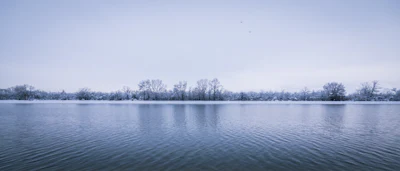
Kraków experiences a humid continental climate with four distinct seasons. Summers are warm and pleasant, ideal for outdoor activities and café terraces. Winters are cold and snowy, with temperatures often dropping below freezing, but the city's charm remains. Spring and autumn are mild and transitional, though rain is common. The best time to visit is from May to September when the weather is most comfortable.
| Season | Temp | Condition | Nomad Rating |
|---|---|---|---|
| Jan - Mar | -5 to 5°C | Cold, snowy, overcast | ⭐⭐ |
| Apr - Jun | 10 to 20°C | Mild with rain and occasional sun | ⭐⭐⭐⭐ |
| Jul - Sep | 15 to 25°C | Warm and pleasant with sunshine | ⭐⭐⭐⭐⭐ |
| Oct - Dec | 0 to 10°C | Cool, cloudy, early snow | ⭐⭐⭐ |
Plan your trip for
May - Sep
💻 Workspace & Real Connectivity
Coworking spaces in Kraków are modern, affordable, and plentiful, with dedicated desks around $150/month. Internet speeds average 100 Mbps and are highly reliable, suitable for video calls. Many cafés in Kazimierz and the Old Town offer free Wi-Fi and are laptop-friendly. Spaces like 'Cocoon' and 'HubHub' have strong communities and events. However, some older buildings may have spotty connectivity, so test your internet before signing a lease.
- Stability: Highly stable, rare outages; fiber optic common in city center.
- eSIM: Available via Airalo, Holafly, and local carriers like Orange.
- Local SIM: ~10 USD for 20GB prepaid or ~15 USD for unlimited 5G
🏠 Everyday Life Essentials
Before packing your bags, here are the practical details about living in Kraków. Knowing these nuances can make or break your remote setup.
🚑 Safety & Healthcare
Poland has a public healthcare system (NFZ) that is available to residents, but many expats prefer private insurance for faster access. Private clinics in Kraków offer high-quality care at reasonable prices, with English-speaking doctors common. Pharmacies are well-stocked and open late. Emergency services are reliable, but wait times in public hospitals can be long. Kraków is generally safe, with low violent crime, but watch out for pickpocketing in tourist areas.
🍜 Food Scene
Polish cuisine is hearty and affordable, with pierogi, zapiekanka, and bigos being local staples. A meal in a mid-range restaurant costs around $10, and street food is even cheaper. Kraków has a burgeoning international food scene, including vegan and vegetarian options. Tap water is safe to drink, and you'll find many milk bars (bar mleczny) serving cheap, traditional meals. Supermarkets like Biedronka and Lidl keep grocery costs low.
Local Meal Avg.
🛵 Getting Around (Transport)
Kraków is very walkable, especially the historic center and Kazimierz. The public transport system includes trams, buses, and a night network, with a monthly pass costing about $25. Cycling is feasible thanks to bike lanes and the Wavelo bike-sharing system. Uber and Bolt are cheap and widely used. The airport is well-connected by train and taxi. Traffic can be heavy in the city center, but trams are efficient.
- Ride-hailing: Uber and Bolt are widely available and affordable.
- Scooter: Not common; bike-sharing (Wavelo) and e-scooters (Lime) are popular.
- Airport: 15 km, about 20 mins by taxi or 30 mins by train.
- Traffic: Moderate; can be congested in the historic center, but public transport avoids it.
Monthly Transit Budget
Estimated cost for local transport, scooter rental, or ride-hailing apps.
🛂 Visas & Nomad Taxes
Poland is part of the Schengen Area, allowing stays up to 90 days for many nationalities. For longer stays, a national visa (D-type) or temporary residence permit is required, which can be obtained for work or study. Poland also introduced a digital nomad visa (Poland Business Harbour) targeting IT professionals. Border runs to nearby non-Schengen countries like Ukraine are possible but not recommended due to war conditions.
💼 Tax Landscape
Poland has a progressive income tax for residents, but digital nomads staying under 183 days may not be tax resident. Non-residents are taxed only on Polish-source income. Poland offers a tax relief for young people (up to 26) and a flat 8.5% tax on certain business activities via a 'tax card'. However, freelancers should consult a local accountant as VAT registration may be required. There is no specific digital nomad tax exemption, but territorial taxation applies for non-residents.
Common Visas
- Schengen visa
- National visa (D-type)
- Work permit
🗣️ Language & Culture
Poles are generally reserved but warm once you get to know them. It's important to greet with 'Dzień dobry' and say 'Dziękuję'. Public drunkenness is frowned upon, and punctuality is valued. Tipping 10-15% in restaurants is customary. Catholicism is influential, so expect church closures during services. Language can be a barrier, but younger Poles speak good English. Avoid discussing politics or WWII history casually.
English Proficiency
🗺️ Best Areas for Remote Workers
| Area | Avg Rent | Noise | Walkability | Best For |
|---|---|---|---|---|
| Old Town (Stare Miasto) | $800/mo | Lively | 9/10 | Tourists/Nightlife |
| Kazimierz | $700/mo | Lively | 8/10 | Nightlife/Culture |
| Podgórze | $600/mo | Quiet | 7/10 | Families/Relaxed |
| Grzegórzki | $650/mo | Moderate | 8/10 | Young professionals |
🏠 Everyday Life Pros & Cons
👍 Pros
- ✅ Affordable cost of living compared to Western Europe
- ✅ Rich history and stunning architecture
- ✅ Vibrant cultural scene with festivals and museums
- ✅ Excellent public transport and walkable city center
- ✅ Central location for exploring Europe
- ✅ Growing digital nomad community
👎 Cons
- ❌ Cold winters with heavy snowfall
- ❌ Air pollution spikes during winter months
- ❌ Limited English proficiency outside tourist areas
- ❌ Bureaucratic hurdles for long-term visas
- ❌ Crowded tourist spots in peak season
- ❌ Relatively small remote worker network
⚠️ Common Mistakes in Kraków
Avoid these beginner traps to save money and stress:
- — Renting an apartment without visiting in person first—photos can be deceiving.
- — Using unofficial taxis at the airport—always book via Uber or Bolt.
- — Not learning basic Polish phrases—it helps a lot in shops and restaurants.
- — Ignoring the public transport monthly pass—much cheaper than single tickets.
- — Wearing shoes inside Polish homes—always remove them at the door.
- — Assuming tap water is not drinkable—it is safe and good quality.
- — Not checking the heating system in winter—some old buildings have poor insulation.
💬 Remote Worker Reviews
📊 Data Sources & Methodology
To ensure accuracy, the cost of living index and city data are aggregated from multiple global databases:
Internet speeds: Ookla Speedtest Global Index.
Safety & Crime: Numbeo Safety Index and global crime reports.
Air Quality (AQI): IQAir realtime data.
Budgeting: Aggregated from Numbeo, NomadList, and localized expat housing communities.
* AI analysis provided by Google AI algorithms trained on the latest remote work trends.
How does Kraków compare?
Compare living costs and stats with other popular nomad destinations.