Remote Work Guide to Funchal
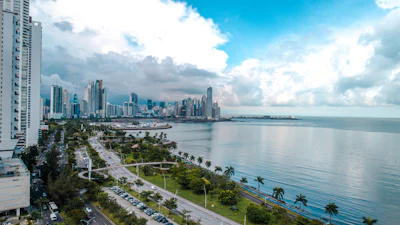
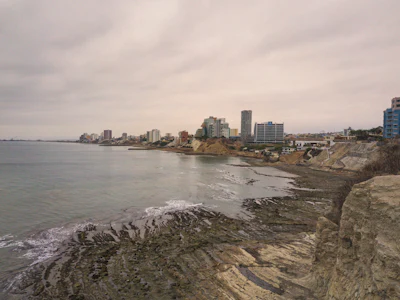
Funchal offers a perfect blend of mild climate, stunning nature, and a welcoming expat community, making it a top destination for remote workers. With affordable living costs and reliable infrastructure, it's an ideal base for digital nomads seeking a relaxed island lifestyle.
- Est. Budget
- $1400/mo
- Internet
- 100 Mbps
- Nomad Vibe
- 8/10
- Timezone
- UTC+0
📊 Remote Worker Score
Overall liveability breakdown for digital nomads.
💰 The Cost of Living
Estimated Budget: ~$1400/mo
Rent is the biggest expense, averaging $700/month for a one-bedroom in a good area, though utility bills (electricity, water, internet) add about $100. Eating out is affordable, with local meals around $10, but imported goods can be pricier. Hidden costs include higher prices for electronics and furniture due to island logistics, and occasional water bills based on usage. Negotiating long-term leases directly with landlords can save 10-20% compared to short-term Airbnb stays.
🌤️ Weather & Climate
Funchal enjoys a subtropical Mediterranean climate with warm summers and mild winters. The best time to visit is from April to October when temperatures are pleasant and rainfall is minimal. Even in winter, temperatures rarely drop below 14°C, but expect more rain from November to March. The island's microclimates mean you can experience sun on the south coast while the north is cloudy, so always check the local forecast.
| Season | Temp | Condition | Nomad Rating |
|---|---|---|---|
| Jan - Mar | 14-18°C | Partly cloudy, occasional rain | ⭐⭐⭐ |
| Apr - Jun | 17-22°C | Sunny and mild | ⭐⭐⭐⭐ |
| Jul - Sep | 22-26°C | Warm and sunny, little rain | ⭐⭐⭐⭐⭐ |
| Oct - Dec | 16-20°C | Mild with increasing rain | ⭐⭐⭐⭐ |
Plan your trip for
Apr - Oct
💻 Workspace & Real Connectivity
Coworking spaces like Cowork Funchal and Madeira Startup Club offer dedicated desks for around $150/month with fast fiber internet. Many cafes in the Zona Velha also have reliable Wi-Fi, but can get crowded during peak hours. Internet speeds average 100 Mbps, making video calls smooth even from residential areas. For those needing absolute stability, a backup 4G/5G router is recommended during rare storms.
- Stability: Highly stable with occasional brief drops during severe storms
- eSIM: Available via Airalo and Holafly with good coverage
- Local SIM: ~15 USD/month for unlimited 5G from MEO or NOS
🏠 Everyday Life Essentials
Before packing your bags, here are the practical details about living in Funchal. Knowing these nuances can make or break your remote setup.
🚑 Safety & Healthcare
Portugal's public healthcare system is accessible after registering, but many nomads prefer private insurance for faster service. Madeira has a modern public hospital (Hospital Dr. Nélio Mendonça) and several private clinics with English-speaking staff. Emergency care is excellent, and pharmacies are well-stocked. While tap water is safe to drink, some expats use filters due to the mineral taste. The safety index is high, with low violent crime, though petty theft can occur in tourist areas.
🍜 Food Scene
Madeiran cuisine features fresh seafood, espada (black scabbardfish), and the iconic Poncha (a strong alcoholic drink made with honey and lemon). Local markets like Mercado dos Lavradores offer affordable fresh produce, while restaurants in Zona Velha serve hearty meals for around €8-12. Tap water is safe to drink, but many locals buy bottled water. For longer stays, cooking at home can reduce food costs significantly, as imported goods are taxed higher.
Local Meal Avg.
🛵 Getting Around (Transport)
Funchal is very walkable in the central and old town areas, but the steep hills make a car or frequent taxi use necessary for some neighborhoods. Public buses are cheap (€2 per ride) and connect most parts of the city and surrounding villages. Ride-hailing apps like Bolt are preferred over taxis due to lower fares. For longer trips, renting a car or taking the cable car up to Monte offers stunning views. Avoid scooters due to dangerous inclines.
- Ride-hailing: Bolt and Uber are widely available and affordable
- Scooter: Not recommended due to steep hills and narrow streets
- Airport: 20 minutes by taxi or Bolt from Funchal center
- Traffic: Moderate; gets congested near the marina during tourist season
Monthly Transit Budget
Estimated cost for local transport, scooter rental, or ride-hailing apps.
🛂 Visas & Nomad Taxes
Portugal's Digital Nomad Visa was introduced in 2022 and requires proof of remote work and monthly income above roughly €3,040. The D7 Passive Income Visa is also popular for those with stable passive earnings; both allow residence and access to Schengen travel. Many nomads start with a Schengen tourist visa (90 days) to test the waters, then apply for long-term residency. Border runs are not possible within Schengen, so plan your stay carefully.
💼 Tax Landscape
Portugal's Non-Habitual Resident (NHR) tax regime offers a flat 20% income tax for certain professions and no tax on most foreign-sourced income for 10 years. Digital nomads can benefit if they qualify, though the program has been updated in 2024. The standard VAT is 23%, but basic goods are exempt. It's advisable to consult a tax professional, as regulations can change and vary by nationality.
Common Visas
- D7 Passive Income Visa
- Digital Nomad Visa
- Schengen Tourist Visa
🗣️ Language & Culture
Madeirans are polite and family-oriented; it's common to greet with 'bom dia' or 'boa tarde' when entering shops. Tipping is not mandatory but appreciated (5-10% for good service). Portuguese is the official language, but English is widely spoken in tourist areas and coworking spaces. Respect local traditions like the Festa da Flor (Flower Festival) and avoid discussing sensitive topics like politics. Slow service in cafes is normal — embrace the 'saudade' pace of life.
English Proficiency
🗺️ Best Areas for Remote Workers
| Area | Avg Rent | Noise | Walkability | Best For |
|---|---|---|---|---|
| Zona Velha (Old Town) | $900/mo | Lively | 9/10 | Nightlife & Socializing |
| São Martinho | $650/mo | Quiet | 7/10 | Families & Long-term stays |
| Monte | $550/mo | Quiet | 5/10 | Nature lovers & Views |
| Centro (Downtown) | $800/mo | Moderate | 10/10 | Convenience & Shopping |
🏠 Everyday Life Pros & Cons
👍 Pros
- ✅ Mild year-round climate
- ✅ Stunning natural scenery and hiking
- ✅ Very safe with low crime rates
- ✅ Reliable high-speed internet
- ✅ English widely spoken in expat hubs
- ✅ Vibrant expat and digital nomad community
👎 Cons
- ❌ Limited local job market
- ❌ Expensive flights to mainland Europe
- ❌ Can be touristy and crowded in summer
- ❌ Steep hills can be challenging without a car
- ❌ Bureaucratic processes can be slow
- ❌ Occasional power or water outages in storms
⚠️ Common Mistakes in Funchal
Avoid these beginner traps to save money and stress:
- — Renting an apartment without checking for dampness or mold issues
- — Buying a car — public transport and taxis are usually sufficient
- — Not packing layers — temperatures can shift quickly, especially in winter
- — Skipping the local drink Poncha — it's a must-try for socializing
- — Ignoring the need for comprehensive health insurance
- — Underestimating the steep hills — good walking shoes are essential
- — Assuming all restaurants accept cards — carry some cash for smaller places
💬 Remote Worker Reviews
📊 Data Sources & Methodology
To ensure accuracy, the cost of living index and city data are aggregated from multiple global databases:
Internet speeds: Ookla Speedtest Global Index.
Safety & Crime: Numbeo Safety Index and global crime reports.
Air Quality (AQI): IQAir realtime data.
Budgeting: Aggregated from Numbeo, NomadList, and localized expat housing communities.
* AI analysis provided by Google AI algorithms trained on the latest remote work trends.
How does Funchal compare?
Compare living costs and stats with other popular nomad destinations.