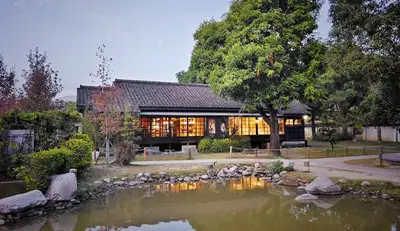
Remote Work Guide to Daegu
Daegu offers a low-cost, safe base for digital nomads in South Korea, with excellent internet and authentic local culture. While English penetration is low, the affordable rent and efficient public transport make it a compelling alternative to Seoul.
- Est. Budget
- $1100/mo
- Internet
- 200 Mbps
- Nomad Vibe
- 7/10
- Timezone
- UTC+9
📊 Remote Worker Score
Overall liveability breakdown for digital nomads.
💰 The Cost of Living
Estimated Budget: ~$1100/mo
Rent for a one-bedroom apartment in Daegu averages around $500/mo, significantly lower than in Seoul. Utilities like electricity and water add about $80-100, but internet is often included. Eating local meals at restaurants costs $8-12, while cooking at home can cut food expenses substantially. One hidden cost is the deposit for apartments (often $5,000-10,000), though some officetels accept lower deposits. Overall, a monthly budget of $1,200-1,500 is comfortable for a nomad.
🌤️ Weather & Climate
Daegu experiences four distinct seasons. Winters are cold and dry with temperatures often below freezing, while summers are hot and humid with heavy monsoon rains from late June to September. Spring (April-May) and autumn (October-November) are the most pleasant with mild temperatures and clear skies. The city is known for its heat in summer, often one of the hottest in Korea, so air conditioning is essential. Yellow dust from China in early spring can reduce air quality, but otherwise it's a great destination for most of the year.
| Season | Temp | Condition | Nomad Rating |
|---|---|---|---|
| Jan - Mar | -5-10°C | Cold, dry, occasional snow | ⭐⭐⭐ |
| Apr - Jun | 12-26°C | Mild, cherry blossoms, increasing humidity | ⭐⭐⭐⭐ |
| Jul - Sep | 22-32°C | Hot, humid, monsoon rains | ⭐⭐ |
| Oct - Dec | 2-20°C | Cool, crisp, clear skies | ⭐⭐⭐⭐⭐ |
Plan your trip for
Sep - Nov
💻 Workspace & Real Connectivity
Coworking spaces in Daegu are modern and affordable, with monthly dedicated desks around $180. The internet is blazing fast (200 Mbps average) and stable across the city. Many cafes also offer good working conditions, though plug availability can be limited. For serious remote work, joining a coworking space like 'Daegu Makerspace' or 'Workinnet' is recommended for networking and reliable facilities. Power cuts are extremely rare, ensuring uninterrupted workflow.
- Stability: Highly stable, fiber-optic with rare outages
- eSIM: Available via Airalo, Holafly, and Korean providers (KT/SK)
- Local SIM: ~20 USD/mo for 20GB 5G data
🏠 Everyday Life Essentials
Before packing your bags, here are the practical details about living in Daegu. Knowing these nuances can make or break your remote setup.
🚑 Safety & Healthcare
South Korea has an excellent healthcare system, and Daegu has several high-quality hospitals, including Kyungpook National University Hospital. Clinics are widely available and affordable for consultations ($20-30). Most doctors speak some English, but it's wise to bring a translator app. Pharmacies are easy to find and open late. The city is very safe, with low crime rates, and women can feel secure walking alone at night.
🍜 Food Scene
Daegu is famous for its local cuisine, especially makchang (grilled beef intestines) and spicy tteokbokki. A typical meal at a local restaurant costs $8-10. Street food is abundant and safe. Tap water is drinkable, though many locals boil it. International food options are limited compared to Seoul, but there are Indian, Vietnamese, and Western restaurants. The food scene is a highlight, with vibrant night markets like Seomun Market offering endless choices.
Local Meal Avg.
🛵 Getting Around (Transport)
Daegu has a clean and efficient subway system with three lines covering most areas. Buses complement the network, and a T-money card works on both. Fares are cheap (about $1 per ride). The city is also very walkable in central districts like Jung-gu. Taxis are inexpensive, with base fares around $2.50. For intercity travel, the KTX high-speed train connects Daegu to Seoul in under two hours. Riding a bicycle is possible but less common due to hilly terrain.
- Ride-hailing: KakaoTaxi works well; Uber limited
- Scooter: Not recommended, traffic can be chaotic and licenses required
- Airport: 20 min by taxi (Daegu International Airport)
- Traffic: Moderate congestion during rush hour, but manageable
Monthly Transit Budget
Estimated cost for local transport, scooter rental, or ride-hailing apps.
🛂 Visas & Nomad Taxes
Many nationalities can enter South Korea visa-free for up to 90 days, which is perfect for short stays. For longer stays, South Korea launched a digital nomad visa in 2023 that allows remote workers to stay up to one year with proof of income. Alternatively, the working holiday visa is available for citizens of certain countries aged 18-30. Border runs to Japan or nearby countries are possible for visa-free reset, but the digital nomad visa is now the preferred option.
💼 Tax Landscape
South Korea taxes residents on worldwide income if staying more than 183 days per year. For digital nomads on tourist short visits, no local taxes are due on foreign-sourced income. However, those on the digital nomad visa may be subject to a flat 20% tax after certain thresholds, though the first $40,000/year is often exempt under specific conditions. It's advisable to consult a Korean tax professional for long-term stays.
Common Visas
- Tourist visa (90 days visa-free for many)
- Digital nomad visa (1 year, remote work)
- Working holiday visa (select countries)
🗣️ Language & Culture
Korean culture values respect, punctuality, and modesty. Bowing is common when greeting. English is not widely spoken, so learning basic Korean phrases (hello, thank you, excuse me) goes a long way. Removing shoes before entering homes or certain restaurants is essential. Daegu locals are known for being warmer and more direct than Seoulites, making social integration easier. Tipping is not practiced, and it's polite to use two hands when offering or receiving items.
English Proficiency
🗺️ Best Areas for Remote Workers
| Area | Avg Rent | Noise | Walkability | Best For |
|---|---|---|---|---|
| Dalseo-gu | $400/mo | Moderate | 7/10 | Budget living, local markets |
| Suseong-gu | $650/mo | Quiet | 9/10 | Families, upscale cafes |
| Jung-gu | $550/mo | Lively | 8/10 | Nightlife, central location |
| Buk-gu | $450/mo | Quiet | 6/10 | University area, student vibe |
🏠 Everyday Life Pros & Cons
👍 Pros
- ✅ Affordable cost of living compared to Seoul
- ✅ Excellent high-speed internet everywhere
- ✅ Very safe city with low crime rates
- ✅ Delicious and cheap local cuisine
- ✅ Efficient public transportation system
- ✅ Friendly locals who are helpful despite language barriers
👎 Cons
- ❌ Limited English signs and services outside tourist areas
- ❌ Air quality can be poor in spring due to yellow dust
- ❌ Nightlife is quieter compared to Seoul or Busan
- ❌ Extreme summer humidity and winter cold
- ❌ Relatively fewer digital nomad hangouts
- ❌ Healthcare system is good but non-English speaking clinics exist
⚠️ Common Mistakes in Daegu
Avoid these beginner traps to save money and stress:
- — Assuming all taxis accept credit cards (many still prefer cash)
- — Not getting a T-money card for seamless subway/bus travel
- — Underestimating the language barrier when renting apartments
- — Ignoring the yellow dust season (March-April) and not wearing masks
- — Relying on Google Maps instead of KakaoMap or Naver Map
- — Forgetting to register for a foreigner card for long-term stays
- — Not trying local dishes like makchang (grilled intestines) - it's a must!
💬 Remote Worker Reviews
📊 Data Sources & Methodology
To ensure accuracy, the cost of living index and city data are aggregated from multiple global databases:
Internet speeds: Ookla Speedtest Global Index.
Safety & Crime: Numbeo Safety Index and global crime reports.
Air Quality (AQI): IQAir realtime data.
Budgeting: Aggregated from Numbeo, NomadList, and localized expat housing communities.
* AI analysis provided by Google AI algorithms trained on the latest remote work trends.
How does Daegu compare?
Compare living costs and stats with other popular nomad destinations.