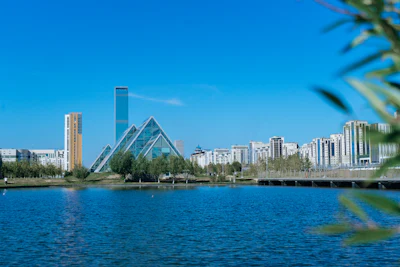
Remote Work Guide to Pattaya
Pattaya blends affordable tropical living with a vibrant expat scene, offering digital nomads an unbeatable mix of beaches, nightlife, and modern amenities. With low costs and reliable internet, it's a top choice for remote workers seeking a lively base in Southeast Asia.
- Est. Budget
- $1050/mo
- Internet
- 50 Mbps
- Nomad Vibe
- 8/10
- Timezone
- UTC+7
📊 Remote Worker Score
Overall liveability breakdown for digital nomads.
💰 The Cost of Living
Estimated Budget: ~$1050/mo
Rent is the biggest expense, with a one-bedroom apartment in Jomtien costing around $400/mo, while central Pattaya can be $500+. Eating local street food averages $3 per meal, and a cappuccino is about $1.80. Coworking desks run $150-200/mo, and gyms $30/mo. Hidden costs include utilities (often not included), motorbike rentals ($150-200/mo), and visa runs. Overall, a single nomad can live comfortably on $1,000-1,200/month, excluding travel.
🌤️ Weather & Climate
Pattaya experiences a tropical monsoon climate with three main seasons: hot (March-May), rainy (June-October), and cool (November-February). The best time to visit is from November to March when temperatures are milder and humidity drops. The rainy season brings daily downpours but often clears quickly, keeping the city green. Avoid April and May if extreme heat bothers you, as temperatures can exceed 35°C. Overall, the weather is warm year-round, perfect for beach activities.
| Season | Temp | Condition | Nomad Rating |
|---|---|---|---|
| Jan - Mar | 24-31°C | Hot and dry | ⭐⭐⭐⭐⭐ |
| Apr - Jun | 26-34°C | Very hot, occasional rain | ⭐⭐⭐ |
| Jul - Sep | 25-32°C | Rainy season, high humidity | ⭐⭐ |
| Oct - Dec | 24-30°C | Cooling down, less rain | ⭐⭐⭐⭐ |
Plan your trip for
Nov - Mar
💻 Workspace & Real Connectivity
Coworking spaces like 'Pattaya Coworking' and 'The Larder' offer reliable internet (50+ Mbps) and a professional atmosphere for $150-250/month. Many cafes also cater to remote workers with free WiFi, but power outlets can be scarce. The city's internet infrastructure is solid, especially in central areas, but some condos have slower speeds. For a dedicated desk, head to Pai's Coworking in Pratumnak. Overall, finding a productive workspace is easy and affordable.
- Stability: Highly stable, rare power cuts in central areas
- eSIM: Available via Airalo/Holafly or local providers like AIS
- Local SIM: ~15 USD/mo for unlimited 5G from AIS or TrueMove
🏠 Everyday Life Essentials
Before packing your bags, here are the practical details about living in Pattaya. Knowing these nuances can make or break your remote setup.
🚑 Safety & Healthcare
Pattaya has several international-standard hospitals, such as Bangkok Hospital Pattaya and Pattaya Memorial, offering quality care at reasonable prices. Private clinics are plentiful for minor issues. English-speaking doctors are common, especially in tourist areas. However, for serious conditions, many expats go to Bangkok. The safety index is moderate; avoid walking alone late at night in secluded areas. Overall, healthcare is good and accessible.
🍜 Food Scene
Street food is a highlight, with pad thai, som tam, and fresh seafood available for $1-3. Bottled water is cheap ($0.30), but avoid street stall ice unless it's from a reputable vendor. Tap water is not safe to drink, so use filtered water or buy bottled. Many Western restaurants cater to expats, but prices are higher. The biggest health risk is food hygiene at less busy stalls, so choose vendors with high turnover.
Local Meal Avg.
🛵 Getting Around (Transport)
Pattaya is not very walkable outside central areas; most residents rely on motorbikes or songthaews (shared pickup trucks). Songthaews cost about $0.30-1 per ride, but routes can be confusing. Motorbike rentals ($150-200/month) are the most convenient option, though traffic is chaotic. Grab and Bolt are reliable for longer trips. The city lacks a metro, but the new high-speed rail from Bangkok is expected to improve connectivity.
- Ride-hailing: Grab and Bolt are widely available and affordable
- Scooter: Essential for getting around, but traffic is chaotic; wear a helmet
- Airport: 45 mins via taxi from U-Tapao Rayong-Pattaya Airport; 1.5 hours from Suvarnabhumi
- Traffic: Heavy during rush hours and on weekends, especially along Beach Road
Monthly Transit Budget
Estimated cost for local transport, scooter rental, or ride-hailing apps.
🛂 Visas & Nomad Taxes
Most nationalities get 30-day visa exemption on arrival, extendable by 30 days at immigration (fee ~2,000 THB). For longer stays, the Thai Elite Visa offers 5–20 years but costs $15,000+. Many nomads use tourist visas (60 days + extensions) or enroll in language schools for ED visas. Border runs to Cambodia or Laos are common but are becoming stricter; always check current regulations.
💼 Tax Landscape
Thailand taxes residents on income remitted into the country; foreign income not brought in during the same year may be exempt. Digital nomads staying less than 180 days per year are generally not tax residents. However, if you earn money while physically in Thailand, it could be taxed. Many nomads avoid this by keeping their income offshore. Consult a tax expert, as rules are complex and subject to change.
Common Visas
- Tourist Visa (30 days)
- Visa Exemption (30 days)
- Thai Elite Visa
- ED Visa
- Smart Visa
🗣️ Language & Culture
Thai culture emphasizes respect, especially for the monarchy and religion. Always cover shoulders and knees when visiting temples, and remove shoes. 'Wai' (hands pressed together) is the traditional greeting. Pattaya is more relaxed than Bangkok, but loud or aggressive behavior is frowned upon. Learning a few Thai phrases (hello: sawasdee ka/krap) helps. English is widely understood in tourist zones but less so in local areas.
English Proficiency
🗺️ Best Areas for Remote Workers
| Area | Avg Rent | Noise | Walkability | Best For |
|---|---|---|---|---|
| Jomtien | 400 | Quiet | 6/10 | Families & longer stays |
| Central Pattaya | 500 | Lively | 8/10 | Nightlife & convenience |
| Pratumnak Hill | 550 | Quiet | 5/10 | Scenic views & relaxation |
| Naklua | 380 | Quiet | 4/10 | Budget living & local vibe |
🏠 Everyday Life Pros & Cons
👍 Pros
- ✅ Very affordable cost of living
- ✅ Thriving expat and digital nomad community
- ✅ World-class nightlife and entertainment
- ✅ Beautiful beaches and tropical weather
- ✅ Excellent street food and cheap dining
- ✅ Convenient location near Bangkok and islands
👎 Cons
- ❌ Heavy traffic and chaotic roads
- ❌ Tourist scams and touts can be aggressive
- ❌ Air quality can dip during burning season
- ❌ Limited public transportation infrastructure
- ❌ Nightlife-focused vibe may not suit everyone
- ❌ Tap water is not drinkable
⚠️ Common Mistakes in Pattaya
Avoid these beginner traps to save money and stress:
- — Renting a scooter without an international driving permit – police fines are common
- — Drinking tap water – always buy bottled or filtered water
- — Overpaying for baht bus rides – agree on the fare before boarding
- — Buying SIM cards at the airport – much cheaper at 7-Eleven or mobile shops
- — Signing long-term rental leases without inspecting the apartment thoroughly
- — Ignoring visa run requirements – overstay fines add up quickly
- — Assuming all street food is clean – stick to busy stalls with high turnover
💬 Remote Worker Reviews
📊 Data Sources & Methodology
To ensure accuracy, the cost of living index and city data are aggregated from multiple global databases:
Internet speeds: Ookla Speedtest Global Index.
Safety & Crime: Numbeo Safety Index and global crime reports.
Air Quality (AQI): IQAir realtime data.
Budgeting: Aggregated from Numbeo, NomadList, and localized expat housing communities.
* AI analysis provided by Google AI algorithms trained on the latest remote work trends.
How does Pattaya compare?
Compare living costs and stats with other popular nomad destinations.