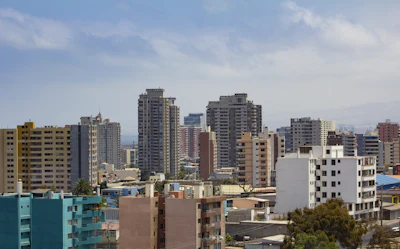
Remote Work Guide to Valencia
Valencia offers a remarkably low cost of living, making it a tempting destination for budget-conscious digital nomads, but significant challenges around safety, infrastructure, and internet reliability must be carefully weighed. The city's warm climate and friendly locals provide a pleasant backdrop, though the practical drawbacks can be daunting for remote workers.
- Est. Budget
- $520/mo
- Internet
- 15 Mbps
- Nomad Vibe
- 5/10
- Timezone
- UTC-4
📊 Remote Worker Score
Overall liveability breakdown for digital nomads.
💰 The Cost of Living
Estimated Budget: ~$520/mo
Rent is the biggest bargain, with a one-bedroom apartment in a decent area averaging just $250 per month. However, prices vary wildly by neighborhood and security level, with gated communities costing double. Utilities are cheap but unreliable, and you'll need cash for most transactions since cards are rarely accepted. Imported goods and electronics are heavily taxed, so plan to bring your own gear. Food and transportation are incredibly affordable, with a good meal costing under $5.
🌤️ Weather & Climate
Valencia has a tropical monsoon climate with distinct dry and wet seasons. The dry season runs from December to April, bringing sunny skies and comfortable temperatures averaging 25-32°C. From May to November, heavy afternoon rains and high humidity dominate, sometimes causing flooding. The best time to visit is during the dry months when outdoor activities are more enjoyable, though even the rainy season has its charm with lush vegetation.
| Season | Temp | Condition | Nomad Rating |
|---|---|---|---|
| Jan - Mar | 25-32°C | Sunny, dry | ⭐⭐⭐⭐ |
| Apr - Jun | 24-30°C | Rainy, occasional storms | ⭐⭐⭐ |
| Jul - Sep | 23-29°C | Cloudy, heavy rain | ⭐⭐ |
| Oct - Dec | 24-31°C | Variable, transition to dry | ⭐⭐⭐ |
Plan your trip for
Dec - Apr
💻 Workspace & Real Connectivity
Coworking spaces are limited in Valencia, with only a few options like 'Coworking Venezuela' in El Trigal offering dedicated desks for around $80 per month. Many nomads end up working from cafes with Wi-Fi, but power outages and slow internet (10-20 Mbps typical) are common. A backup mobile hotspot from Digitel or Movistar is essential. For stable work, consider renting an apartment with a generator and fiber connection in upscale areas.
- Stability: Frequent power cuts and internet outages, especially during rainy season
- eSIM: Limited eSIM support; local SIM from Movistar or Digitel recommended
- Local SIM: ~10 USD for 5GB prepaid data
🏠 Everyday Life Essentials
Before packing your bags, here are the practical details about living in Valencia. Knowing these nuances can make or break your remote setup.
🚑 Safety & Healthcare
Healthcare quality varies; private hospitals like 'Hospital Metropolitano del Norte' are adequate for basic needs but lack advanced equipment. Public hospitals should be avoided due to shortages. Pharmacies are well-stocked with generic drugs. For serious issues, most expats travel to Caracas or Colombia. Travel insurance with evacuation coverage is highly recommended due to potential political unrest.
🍜 Food Scene
Local cuisine is rich and affordable, with arepas, pabellón criollo, and empanadas costing $2-5. Street food is generally safe if freshly cooked. Tap water is not potable; buy bottled water or use a filter. Fresh fruits and vegetables are abundant at municipal markets. International dining is available in malls and upscale neighborhoods but at higher prices.
Local Meal Avg.
🛵 Getting Around (Transport)
Valencia is moderately walkable in the city center, but most nomads rely on buses and taxis. The public bus system is cheap ($0.20 per ride) but can be crowded and unsafe at night. Registered taxis are safer, always agree on price upfront. Biking is not common due to traffic and road quality. For airport transfers, pre-arrange a private driver.
- Ride-hailing: No Uber; use local taxis or Ridery app
- Scooter: Common but risky due to traffic and poor road conditions
- Airport: 30 mins by taxi to Arturo Michelena International Airport (15 km)
- Traffic: Moderate congestion during peak hours, otherwise manageable
Monthly Transit Budget
Estimated cost for local transport, scooter rental, or ride-hailing apps.
🛂 Visas & Nomad Taxes
Venezuela offers a 90-day tourist visa on arrival for many nationalities, which can be extended once for another 90 days through immigration. There is no specific digital nomad visa, so most remote workers rely on border runs to Colombia or Panama to reset their stay. Always carry a printed copy of your passport and entry stamp, as police checks are common. The visa process can be bureaucratic, so patience is essential.
💼 Tax Landscape
Venezuela has a territorial tax system, meaning you are only taxed on income earned within the country. As a digital nomad earning foreign income, you are generally not liable for local taxes, but you should consult a tax professional to ensure compliance. The tax authority (SENIAT) can be unpredictable, so keeping a low profile is wise. There is no formal digital nomad tax regime.
Common Visas
- Tourist visa (90 days)
- Visa extension possible
- Border runs recommended
🗣️ Language & Culture
Valencia residents are proud of their Venezuelan heritage, with a relaxed pace of life and strong family values. Spanish is essential for daily interactions; English is rarely spoken. Greetings are warm (handshakes or cheek kisses), and punctuality is not strict. Dress modestly when not in tourist areas. Tipping 10% is standard in restaurants.
English Proficiency
🗺️ Best Areas for Remote Workers
| Area | Avg Rent | Noise | Walkability | Best For |
|---|---|---|---|---|
| Centro | $150/mo | Lively | 8/10 | Budget travelers |
| El Trigal | $300/mo | Quiet | 6/10 | Families |
| La Isabelica | $200/mo | Moderate | 5/10 | Long-term stays |
| Urbanización La Entrada | $400/mo | Quiet | 4/10 | Upscale living |
🏠 Everyday Life Pros & Cons
👍 Pros
- ✅ Extremely low cost of living
- ✅ Warm climate year-round
- ✅ Friendly and welcoming locals
- ✅ Proximity to beautiful beaches and national parks
- ✅ Rich cultural heritage and local cuisine
- ✅ Good public markets for fresh produce
👎 Cons
- ❌ High crime rates, especially at night
- ❌ Unreliable internet and frequent power cuts
- ❌ Poor public infrastructure and utilities
- ❌ Limited coworking spaces and nomad community
- ❌ Political instability and currency volatility
- ❌ Difficult banking and cash-dependent economy
⚠️ Common Mistakes in Valencia
Avoid these beginner traps to save money and stress:
- — Carrying large amounts of cash in public
- — Using unauthorized taxis instead of registered ones
- — Drinking tap water without purification
- — Walking alone at night in non-residential areas
- — Assuming credit cards are accepted everywhere
- — Not negotiating rent for long-term stays
- — Overpaying for imported goods in tourist shops
💬 Remote Worker Reviews
📊 Data Sources & Methodology
To ensure accuracy, the cost of living index and city data are aggregated from multiple global databases:
Internet speeds: Ookla Speedtest Global Index.
Safety & Crime: Numbeo Safety Index and global crime reports.
Air Quality (AQI): IQAir realtime data.
Budgeting: Aggregated from Numbeo, NomadList, and localized expat housing communities.
* AI analysis provided by Google AI algorithms trained on the latest remote work trends.
How does Valencia compare?
Compare living costs and stats with other popular nomad destinations.