Remote Work Guide to Bariloche
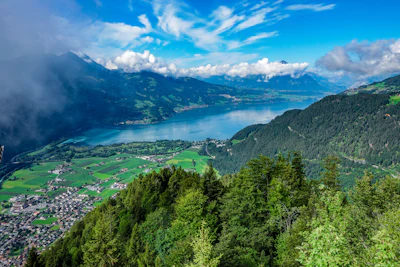
Bariloche is a stunning Patagonian town offering affordable living among lakes and mountains, ideal for nature-loving nomads. While Spanish is necessary and cash is king, the low costs and outdoor lifestyle make it a unique remote work destination.
- Est. Budget
- $1050/mo
- Internet
- 50 Mbps
- Nomad Vibe
- 7/10
- Timezone
- UTC-3
📊 Remote Worker Score
Overall liveability breakdown for digital nomads.
💰 The Cost of Living
Estimated Budget: ~$1050/mo
Rent for a one-bedroom in the city center averages $500 USD per month, while outside areas can be $400. Utilities and internet add about $50–70. Eating out is affordable; a meal costs around $10. The biggest hidden cost is inflation: prices can change rapidly due to Argentina's economic situation, so using the informal 'blue dollar' exchange gives much better value. Always withdraw cash in large amounts to avoid frequent ATM fees.
🌤️ Weather & Climate
Bariloche has a temperate oceanic climate with four distinct seasons. Summers (December–March) are mild and sunny, perfect for hiking and lake activities. Winters (June–September) bring snow and cold temperatures, attracting skiers to Cerro Catedral. Spring and autumn are transitional with unpredictable weather. The best months for nomads are November through March when days are longer and daylight is abundant.
| Season | Temp | Condition | Nomad Rating |
|---|---|---|---|
| Jan - Mar | 10-25°C | Warm and sunny, occasional rain | ⭐⭐⭐⭐⭐ |
| Apr - Jun | 4-15°C | Cool, increasing rain, some snow at higher elevations | ⭐⭐⭐ |
| Jul - Sep | -2-10°C | Cold, snowy, great for skiing | ⭐⭐⭐⭐ |
| Oct - Dec | 6-20°C | Spring blooms, variable weather, windy | ⭐⭐⭐ |
Plan your trip for
Nov - Mar
💻 Workspace & Real Connectivity
Coworking spaces in Bariloche are modest but sufficient: monthly dedicated desks run about $150. Internet speed averages 50 Mbps, though stability can waver during storms. Cafes with Wi-Fi are common but often crowded. For heavy video calls, a coworking membership is recommended. Some spaces offer mountain views, making work feel less like work.
- Stability: Good in city center, occasional drops during heavy storms
- eSIM: Available via Airalo or Holafly, but local SIM is cheaper
- Local SIM: ~10 USD/mo for 10GB (prepaid, Claro or Movistar)
🏠 Everyday Life Essentials
Before packing your bags, here are the practical details about living in Bariloche. Knowing these nuances can make or break your remote setup.
🚑 Safety & Healthcare
Public hospitals are available but wait times can be long; private clinics are better and relatively cheap for consultations (around $30–50). Many nomads opt for international health insurance with evacuation coverage. Pharmacies are well-stocked. Safety is decent but petty theft can occur in tourist spots; avoid flashing valuables. Tap water is safe to drink in the city.
🍜 Food Scene
Argentine cuisine here means asado (barbecue), trout, and lamb. Craft beer is a highlight with many microbreweries. Street food is limited but empanadas are everywhere. Supermarkets have imported goods at high prices; local produce is cheap. Tap water is safe, but some expats prefer bottled water due to mineral taste. Vegetarian options are growing but not abundant.
Local Meal Avg.
🛵 Getting Around (Transport)
Bariloche is moderately walkable in the center, but many neighborhoods require a bus or taxi. Local buses are cheap ($0.50 per ride) but infrequent outside main routes. Renting a car is popular for exploring the lakes region, but parking can be tricky. There is no metro or train. Ride-hailing apps like Uber are limited; official taxis are reliable.
- Ride-hailing: Uber limited; local taxis and remises are common
- Scooter: Not recommended due to hilly terrain and icy roads
- Airport: 15 km, 25 mins by taxi (~15 USD)
- Traffic: Low to moderate, only heavy during peak tourist season
Monthly Transit Budget
Estimated cost for local transport, scooter rental, or ride-hailing apps.
🛂 Visas & Nomad Taxes
Argentina grants a 90-day tourist visa upon arrival for most nationalities, renewable once by exiting and re-entering (e.g., a quick trip to Chile). There is no official digital nomad visa yet but the country is exploring options. Many nomads do border runs to nearby Chile or Uruguay every 90 days. For longer stays, a temporary residence visa based on income can be applied for but requires paperwork.
💼 Tax Landscape
Argentina has a territorial tax system, meaning only locally sourced income is taxed for residents. Nomads staying under 183 days are generally not considered tax residents. However, there is no formal nomad tax exemption yet. Many nomads use a combination of foreign income and local cash economy to manage. Consult a local accountant to avoid surprises.
Common Visas
- Tourist visa (90 days)
- Digital nomad visa (pending)
- Mercosur residence
🗣️ Language & Culture
Argentinians are warm and expressive, but punctuality is flexible. Greetings often involve a kiss on the cheek. Sundays are quiet; many shops close. Learning Spanish is crucial for deeper connections. Local etiquette includes respecting personal space in queues. Tipping is customary (10% in restaurants). The indigenous Mapuche culture is present but not dominant in urban areas.
English Proficiency
🗺️ Best Areas for Remote Workers
| Area | Avg Rent | Noise | Walkability | Best For |
|---|---|---|---|---|
| Centro | $550/mo | Lively | 9/10 | Nightlife, dining, shopping |
| Cerro Catedral | $600/mo | Quiet | 4/10 | Skiers, nature lovers |
| Puerto Moreno | $480/mo | Moderate | 6/10 | Families, lake views |
| Melipal | $450/mo | Quiet | 5/10 | Budget travelers |
🏠 Everyday Life Pros & Cons
👍 Pros
- ✅ Stunning natural landscapes and outdoor activities
- ✅ Affordable cost of living for a scenic town
- ✅ Great hiking, skiing, and lake sports
- ✅ Relatively safe compared to big Argentine cities
- ✅ Good internet in the city center
- ✅ Strong craft beer scene and local cuisine
👎 Cons
- ❌ Limited English spoken outside tourist areas
- ❌ Cash is king; card acceptance is inconsistent
- ❌ Cold and rainy winters discourage some
- ❌ Public transport can be sparse in off-seasons
- ❌ High tourist prices during peak summer
- ❌ Remote location; long travel to other regions
⚠️ Common Mistakes in Bariloche
Avoid these beginner traps to save money and stress:
- — Not bringing enough cash; many places don't accept cards
- — Underestimating the cold and rain outside summer months
- — Assuming everyone speaks English — Spanish is essential
- — Renting an apartment without checking for heating quality
- — Skipping travel insurance for hiking and adventure sports
- — Exchanging money at official banks instead of using blue dollar rates
- — Forgetting to carry a reusable water bottle
💬 Remote Worker Reviews
📊 Data Sources & Methodology
To ensure accuracy, the cost of living index and city data are aggregated from multiple global databases:
Internet speeds: Ookla Speedtest Global Index.
Safety & Crime: Numbeo Safety Index and global crime reports.
Air Quality (AQI): IQAir realtime data.
Budgeting: Aggregated from Numbeo, NomadList, and localized expat housing communities.
* AI analysis provided by Google AI algorithms trained on the latest remote work trends.
How does Bariloche compare?
Compare living costs and stats with other popular nomad destinations.