Remote Work Guide to Punta Cana
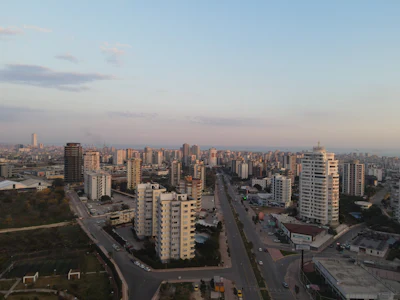
Punta Cana offers a laid-back beach lifestyle at a moderate cost, perfect for digital nomads who prioritize sun and sand over urban amenities. Reliable internet exists in tourist zones, but you'll need a car and must watch for hurricane season.
- Est. Budget
- $1350/mo
- Internet
- 30 Mbps
- Nomad Vibe
- 7/10
- Timezone
- UTC-4
📊 Remote Worker Score
Overall liveability breakdown for digital nomads.
💰 The Cost of Living
Estimated Budget: ~$1350/mo
Rent for a furnished one-bedroom apartment in Bavaro or Punta Cana Village averages $700 per month, but can go lower if you negotiate long-term stays outside resorts. Utilities and internet add roughly $100 monthly. Eating local (comida del día) is cheap at $8 per meal, but tourist restaurants can be double that. Hidden costs include mandatory health insurance for the nomad visa and high import taxes on electronics.
🌤️ Weather & Climate
Punta Cana has a tropical monsoon climate with warm temperatures year-round averaging 27°C. The dry season from November to April offers the most pleasant weather with lower humidity and plenty of sunshine. The wet season from May to October brings frequent showers and higher humidity, with a heightened risk of hurricanes from June to November. The best time to visit is between December and March when the weather is driest and crowds are thinner.
| Season | Temp | Condition | Nomad Rating |
|---|---|---|---|
| Jan - Mar | 25-30°C | Dry, sunny, low humidity | ⭐⭐⭐⭐⭐ |
| Apr - Jun | 26-32°C | Hot, occasional showers | ⭐⭐⭐⭐ |
| Jul - Sep | 27-33°C | Rainy, high humidity, hurricane risk | ⭐⭐ |
| Oct - Dec | 25-31°C | Transitional, some rain but improving | ⭐⭐⭐ |
Plan your trip for
Nov - Apr
💻 Workspace & Real Connectivity
Dedicated coworking spaces are few – the best is Punta Cana Coworking with monthly desks around $150. Many nomads rely on hotel lobbies or cafe Wi-Fi, which is decent at resorts but inconsistent elsewhere. Internet speed averages 30 Mbps, sufficient for video calls, but outages can happen during storms. Consider a backup 4G hotspot from Claro or Altice for reliability.
- Stability: Fairly stable, occasional power cuts during storms
- eSIM: Available via Airalo and Holafly
- Local SIM: ~15 USD/mo for unlimited 4G (local carriers Claro/Altice)
🏠 Everyday Life Essentials
Before packing your bags, here are the practical details about living in Punta Cana. Knowing these nuances can make or break your remote setup.
🚑 Safety & Healthcare
Private hospitals like Hospital Punta Cana and Centro Médico Punta Cana offer decent care, but serious conditions may require travel to Santo Domingo. Health insurance is advisable, especially for the nomad visa. Safety wise, Punta Cana is generally safe in tourist areas, but petty theft and scams occur – keep valuables secured and avoid walking alone at night.
🍜 Food Scene
Local Dominican food is affordable and flavorful – try mofongo, sancocho, and fresh seafood. A typical lunch from a comedor costs $5-8. Tourist restaurants in hotels charge $15-20 for similar dishes. Tap water is unsafe to drink; always buy bottled water or use a filter. Street food is generally safe but check for cleanliness. Supermarkets are well-stocked with imported goods at higher prices.
Local Meal Avg.
🛵 Getting Around (Transport)
Punta Cana is not walkable – the city is spread out along a 30 km coastline. Most nomads rent a car or scooter (scooters ~$150/month). Taxis are plentiful but expensive for short hops; Uber operates selectively. Public buses (guaguas) are cheap but unreliable for remote work schedules. A monthly transport budget of $50 covers occasional taxis and bus trips to local markets.
- Ride-hailing: Uber is available but limited; local taxis are common – negotiate upfront
- Scooter: Not recommended for long distances; roads can be uneven and traffic erratic
- Airport: About 20 minutes from Punta Cana International Airport (PUJ) to Bavaro
- Traffic: Generally low, but busy near resorts during peak season
Monthly Transit Budget
Estimated cost for local transport, scooter rental, or ride-hailing apps.
🛂 Visas & Nomad Taxes
Tourists from many countries get a 30-day visa on arrival, extendable for an additional 60 days at immigration (cost ~$25). The Dominican Republic also introduced a Digital Nomad Visa allowing stays up to one year for remote workers earning over $2,000/month. Many nomads opt for border runs to nearby Haiti or Panama to reset their tourist visa, though this is becoming less common.
💼 Tax Landscape
The Dominican Republic operates a territorial tax system – you only pay tax on income sourced within the country. Foreign-earned income is generally tax-free for residents, including digital nomads. To qualify, you must spend at least 60% of your time in DR and not work for a local company. No specific nomad tax exemption exists, but many nomads live here without filing local taxes on foreign income.
Common Visas
- Tourist visa (30 days)
- Visa on arrival (90 days)
- Digital Nomad Visa (1 year)
🗣️ Language & Culture
Dominicans are warm and friendly, but Spanish is the primary language – learning basic phrases helps greatly. Tipping is customary (10-15% at restaurants). Dress modestly outside beach areas; swimwear is for the beach only. Punctuality is relaxed – meetings often start 15-30 minutes late. Respect local customs like greeting with a handshake and maintaining eye contact.
English Proficiency
🗺️ Best Areas for Remote Workers
| Area | Avg Rent | Noise | Walkability | Best For |
|---|---|---|---|---|
| Bavaro | $800/mo | Lively | 6/10 | Nightlife |
| Uvero Alto | $650/mo | Quiet | 3/10 | Relaxation |
| Cap Cana | $1200/mo | Quiet | 4/10 | Luxury |
| Punta Cana Village | $600/mo | Moderate | 7/10 | Local living |
🏠 Everyday Life Pros & Cons
👍 Pros
- ✅ Stunning beaches and turquoise waters
- ✅ Low cost of living compared to US/Europe
- ✅ Warm tropical weather year-round
- ✅ English widely spoken in tourist zones
- ✅ Relaxed, slow-paced lifestyle
- ✅ Decent internet in resort areas
👎 Cons
- ❌ Limited coworking spaces outside hotels
- ❌ Tourist prices in many restaurants and shops
- ❌ Hurricane season from June to November
- ❌ Mosquitoes and tropical diseases
- ❌ Car is almost essential for getting around
- ❌ Petty crime and occasional safety concerns
⚠️ Common Mistakes in Punta Cana
Avoid these beginner traps to save money and stress:
- — Renting a scooter without an international driving permit
- — Drinking tap water – always buy bottled or filter
- — Not checking hurricane season when booking long stays
- — Assuming you can walk everywhere – distances are large
- — Overpaying for taxis – negotiate or use Uber if available
- — Staying only inside resort – miss out on local culture and cheaper eats
- — Not carrying enough cash – many places don't accept cards
💬 Remote Worker Reviews
📊 Data Sources & Methodology
To ensure accuracy, the cost of living index and city data are aggregated from multiple global databases:
Internet speeds: Ookla Speedtest Global Index.
Safety & Crime: Numbeo Safety Index and global crime reports.
Air Quality (AQI): IQAir realtime data.
Budgeting: Aggregated from Numbeo, NomadList, and localized expat housing communities.
* AI analysis provided by Google AI algorithms trained on the latest remote work trends.
How does Punta Cana compare?
Compare living costs and stats with other popular nomad destinations.