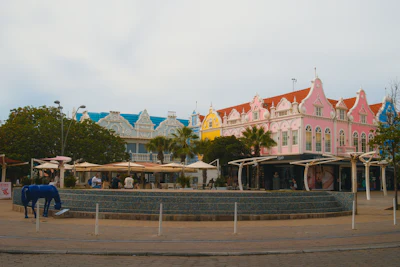
Remote Work Guide to Melbourne
Melbourne offers a vibrant lifestyle for digital nomads with excellent infrastructure and culture. Despite higher costs, its coffee scene, public transport, and safety make it a top choice.
- Est. Budget
- $1700/mo
- Internet
- 75 Mbps
- Nomad Vibe
- 8/10
- Timezone
- UTC+10
📊 Remote Worker Score
Overall liveability breakdown for digital nomads.
💰 The Cost of Living
Estimated Budget: ~$1700/mo
Rent is the biggest expense, averaging $1000-1500 USD for a 1-bed. Utilities and internet add ~$150/month. Eating out can be expensive, but cooking at home saves money. Negotiate long-term rentals for lower rates.
🌤️ Weather & Climate
Melbourne has a temperate oceanic climate with four distinct seasons. Summers are warm to hot, winters cool and damp. The weather is famously changeable, often experiencing 'four seasons in one day'. Best time to visit is spring (Sep-Nov) or autumn (Mar-May) for mild and dry conditions.
| Season | Temp | Condition | Nomad Rating |
|---|---|---|---|
| Jan - Mar | 20-30°C | Sunny and warm | ⭐⭐⭐⭐ |
| Apr - Jun | 10-20°C | Mild autumn, occasional rain | ⭐⭐⭐⭐ |
| Jul - Sep | 6-15°C | Cool and rainy | ⭐⭐⭐ |
| Oct - Dec | 12-22°C | Spring showers, blooming gardens | ⭐⭐⭐⭐ |
Plan your trip for
Nov - Mar
💻 Workspace & Real Connectivity
Coworking spaces like WeWork and Hub Australia cost ~$200-300 USD/month. Internet is fast and reliable with NBN fiber. Many cafes offer free WiFi but may be crowded during peak hours.
- Stability: Highly stable, rare outages thanks to the NBN infrastructure
- eSIM: Available via Airalo and Holafly with competitive data packages
- Local SIM: ~20 USD/mo for 30GB 5G (Telstra or Optus prepaid)
🏠 Everyday Life Essentials
Before packing your bags, here are the practical details about living in Melbourne. Knowing these nuances can make or break your remote setup.
🚑 Safety & Healthcare
Australia has a public healthcare system Medicare, but nomads need private health insurance. Hospitals are top-notch and emergency services are reliable. Pharmacies are widely available.
🍜 Food Scene
Melbourne is famous for its coffee culture and diverse cuisine. Fresh produce markets like Queen Victoria Market are popular. Tap water is safe and delicious.
Local Meal Avg.
🛵 Getting Around (Transport)
Melbourne's free tram zone in the CBD makes inner-city travel easy. The Myki card works on trams, trains, and buses. The city is very walkable, but bike lanes are improving.
- Ride-hailing: Uber and DiDi are widely available, especially in the city
- Scooter: Not common for daily commute; trams and trains are preferred
- Airport: 30 minutes via SkyBus from Southern Cross Station
- Traffic: Heavy during peak hours (8-10am and 5-7pm) on major arterials
Monthly Transit Budget
Estimated cost for local transport, scooter rental, or ride-hailing apps.
🛂 Visas & Nomad Taxes
Australia offers eVisitor visas for short stays up to 3 months and Working Holiday visas for longer periods. Nomads may need to apply for a skilled visa if planning to stay longer. Border runs are not practical due to distance; overstaying has severe penalties.
💼 Tax Landscape
Australia taxes residents on worldwide income, but non-residents only on Australian-sourced income. Nomads on working holiday visas are considered residents for tax purposes if staying over 183 days. Tax rates are progressive and high.
Common Visas
- eVisitor visa
- Working Holiday visa
- Skilled work visa
🗣️ Language & Culture
Australians are friendly and informal. English is the primary language. Tipping is not expected but appreciated for exceptional service. Dress code is casual.
English Proficiency
🗺️ Best Areas for Remote Workers
| Area | Avg Rent | Noise | Walkability | Best For |
|---|---|---|---|---|
| Fitzroy | $1,200/mo | Lively | 8/10 | Artsy, nightlife |
| St Kilda | $1,100/mo | Lively | 7/10 | Beach lifestyle |
| Southbank | $1,500/mo | Moderate | 9/10 | Luxury, river views |
| Carlton | $900/mo | Quiet | 8/10 | Students, cafes |
🏠 Everyday Life Pros & Cons
👍 Pros
- ✅ Excellent coffee culture
- ✅ Great public transport network
- ✅ Diverse and multicultural food scene
- ✅ Very safe city
- ✅ Strong economy and job opportunities
- ✅ Beautiful parks and gardens
👎 Cons
- ❌ High rental costs
- ❌ Unpredictable weather changes
- ❌ Expensive dining out
- ❌ Traffic congestion during peak hours
- ❌ Limited 24/7 public transport
- ❌ Difficult long-term visa options
⚠️ Common Mistakes in Melbourne
Avoid these beginner traps to save money and stress:
- — Not getting a Myki card and getting fined on trams
- — Underestimating the rapid weather shifts – always carry layers
- — Staying only in the CBD and missing out on unique neighborhood vibes
- — Ignoring suburbs west of the city for cheaper rent
- — Assuming public transport runs 24/7 – most services stop around midnight
- — Not checking lease terms for short-term flexibility
- — Thinking tipping is mandatory – it's not expected
💬 Remote Worker Reviews
📊 Data Sources & Methodology
To ensure accuracy, the cost of living index and city data are aggregated from multiple global databases:
Internet speeds: Ookla Speedtest Global Index.
Safety & Crime: Numbeo Safety Index and global crime reports.
Air Quality (AQI): IQAir realtime data.
Budgeting: Aggregated from Numbeo, NomadList, and localized expat housing communities.
* AI analysis provided by Google AI algorithms trained on the latest remote work trends.
How does Melbourne compare?
Compare living costs and stats with other popular nomad destinations.