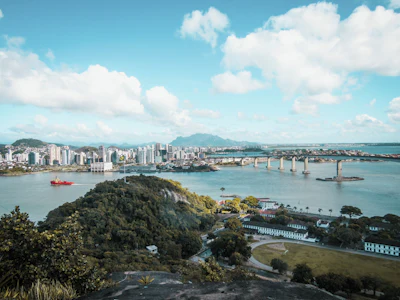
Remote Work Guide to Aracaju
Aracaju offers an incredibly affordable coastal lifestyle with warm weather year-round. It's a great choice for budget‑conscious nomads who don't mind a quieter, less digital‑nomad‑infrastructure scene.
- Est. Budget
- $785/mo
- Internet
- 50 Mbps
- Nomad Vibe
- 7/10
- Timezone
- UTC-3
📊 Remote Worker Score
Overall liveability breakdown for digital nomads.
💰 The Cost of Living
Estimated Budget: ~$785/mo
Housing is the biggest savings – a furnished one‑bedroom near the beach in Atalaia can be found for $400–$600 USD. Groceries are about 40% cheaper than in Europe or the US, with local fruits and vegetables particularly inexpensive. Utility bills (electricity, water, internet) add roughly $60–$80 per month. Eating out at local lunch buffets (prato feito) costs as little as $5–$7. The main hidden cost is air conditioning – it runs almost constantly and can spike electricity bills.
🌤️ Weather & Climate
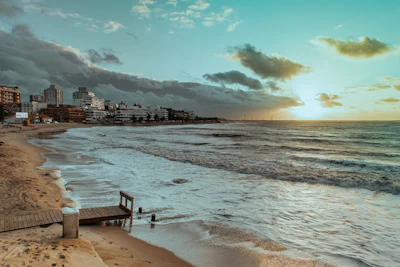
Aracaju has a tropical monsoon climate with high temperatures and humidity throughout the year. The rainy season runs from March to July, while the best months are September to March when skies are clearer and rainfall is lower. Even during the wet season, showers are often short and intense, followed by sunshine. The constant sea breeze helps mitigate the heat, making beach visits pleasant almost any day.
| Season | Temp | Condition | Nomad Rating |
|---|---|---|---|
| Jan - Mar | 26-31°C | Hot and humid with frequent rain | ⭐⭐⭐ |
| Apr - Jun | 24-29°C | Cooler and less rain, pleasant | ⭐⭐⭐⭐ |
| Jul - Sep | 23-28°C | Dry and sunny, perfect beach weather | ⭐⭐⭐⭐⭐ |
| Oct - Dec | 25-30°C | Increasing heat and sporadic showers | ⭐⭐⭐⭐ |
Plan your trip for
Sep - Mar
💻 Workspace & Real Connectivity
Coworking spaces are scarce but growing; the best option is 'Coworking Aracaju' in the Atalaia area, charging about $120/month for a dedicated desk. Most nomads opt to work from cafés with reliable Wi‑Fi (e.g., Café Três Corações) or their Airbnb. Internet speeds average 50 Mbps, sufficient for video calls, but occasional outages occur during storms. A backup 4G plan from TIM or Claro is highly recommended.
- Stability: Generally stable, but occasional drops during heavy afternoon storms
- eSIM: Available via Airalo or Holafly – coverage is good in urban areas
- Local SIM: ~12 USD/mo for 10GB 4G (TIM or Claro)
🏠 Everyday Life Essentials
Before packing your bags, here are the practical details about living in Aracaju. Knowing these nuances can make or break your remote setup.
🚑 Safety & Healthcare
Public healthcare (SUS) is available but overcrowded; most expats opt for private insurance costing $40–$80/month. Private clinics like Hospital São Lucas offer good quality care for routine issues. Pharmacies are plentiful and staff can give basic medical advice. Emergency services respond reasonably quickly in the city center. Tap water is not potable – always drink bottled or filtered water.
🍜 Food Scene
Local cuisine revolves around seafood – try moqueca (fish stew) and caranguejo (crab) at beach barracas. Prato feito (rice, beans, meat, salad) is the standard lunch, setting you back $5–$7. Street food like tapioca and acarajé is delicious and cheap. Most fresh fruits are incredibly affordable. Tap water is not safe to drink, but filtered or bottled water is widely available. Stick to well‑frequented restaurants for food safety.
Local Meal Avg.
🛵 Getting Around (Transport)
Aracaju is moderately walkable in neighborhoods like Atalaia and Centro, but the city sprawls so Uber or 99 are often necessary. Monthly transport for a mix of buses and ride‑hailing costs about $35. The bus system is cheap ($0.50 per ride) but irregular. Cycling is possible along the coast, but dedicated bike lanes are limited. The airport is close, making weekend getaways to Salvador or Recife easy.
- Ride-hailing: Uber and 99 are widely available and affordable (typical ride $2-5)
- Scooter: Not common; traffic is moderate but scooters are rarely used by nomads
- Airport: 15 km, around 20 minutes by taxi ($10-15)
- Traffic: Moderate – can get congested near beaches on weekends, but generally light
Monthly Transit Budget
Estimated cost for local transport, scooter rental, or ride-hailing apps.
🛂 Visas & Nomad Taxes
Brazil offers a 90‑day tourist visa that can be extended for another 90 days, allowing a total stay of up to 180 days per year. In 2022, a digital nomad visa was introduced, valid for one year and renewable for another, requiring proof of remote income (~$1,500/month minimum). Border runs to Uruguay or Argentina are occasionally done, but longer‑term stays are best formalized with the nomad visa or a Mercosur residency if eligible.
💼 Tax Landscape
Brazil has a territorial tax system – you're only taxed on income earned within the country. Foreign‑source remote income is not taxed for non‑residents, but after 183 days you become a tax resident and must declare worldwide income. Many digital nomads do a 6‑month tourist stay, leave for a few days, then return to reset the clock. The digital nomad visa doesn't change this – you're still considered a non‑resident if you stay less than 183 days per year.
Common Visas
- Tourist visa (90 days, extendable)
- Digital nomad visa (1 year)
- Mercosur residency (if eligible)
🗣️ Language & Culture
Aracaju is laid‑back and family‑oriented, with a strong beach culture. Brazilians are affectionate and expect to greet with a kiss on the cheek (even among new acquaintances). Punctuality is loose – show up 15–30 minutes late to social events. Portuguese is the only language you'll hear day‑to‑day; learning even basic phrases will earn you huge respect. Dress is casual, but avoid wearing beachwear when not on the sand.
English Proficiency
🗺️ Best Areas for Remote Workers
| Area | Avg Rent | Noise | Walkability | Best For |
|---|---|---|---|---|
| Atalaia | $500/mo | Lively | 8/10 | Beach lovers and nightlife |
| Centro | $300/mo | Noisy | 7/10 | Budget living and cultural sites |
| Jardins | $450/mo | Quiet | 5/10 | Families and remote workers seeking calm |
| Farolândia | $350/mo | Moderate | 6/10 | Students and young professionals |
🏠 Everyday Life Pros & Cons
👍 Pros
- ✅ Very affordable cost of living
- ✅ Beautiful beaches like Atalaia and Aruanã
- ✅ Warm, sunny weather most of the year
- ✅ Friendly and welcoming locals
- ✅ Excellent seafood cuisine
- ✅ Lower crime rates compared to Rio or Salvador
👎 Cons
- ❌ Portuguese is essential, English is rarely spoken
- ❌ Internet can be slower and less reliable than in São Paulo
- ❌ High humidity and heat can be draining
- ❌ Public transportation is limited and infrequent
- ❌ Few coworking spaces dedicated to digital nomads
- ❌ Bureaucracy can be frustrating for long‑term stays
⚠️ Common Mistakes in Aracaju
Avoid these beginner traps to save money and stress:
- — Not learning basic Portuguese before arrival
- — Relying solely on cash – cards are widely accepted, but keep some cash for small vendors
- — Underestimating the heat and humidity – bring light clothing and stay hydrated
- — Assuming public transport covers all areas efficiently – Uber/Bolt are better options
- — Neglecting to negotiate rent for long‑term stays – landlords often offer discounts
- — Ignoring local advice on which neighborhoods to avoid after dark
- — Not trying tapioca or caranguejo (crab) – local culinary staples
💬 Remote Worker Reviews
📊 Data Sources & Methodology
To ensure accuracy, the cost of living index and city data are aggregated from multiple global databases:
Internet speeds: Ookla Speedtest Global Index.
Safety & Crime: Numbeo Safety Index and global crime reports.
Air Quality (AQI): IQAir realtime data.
Budgeting: Aggregated from Numbeo, NomadList, and localized expat housing communities.
* AI analysis provided by Google AI algorithms trained on the latest remote work trends.
How does Aracaju compare?
Compare living costs and stats with other popular nomad destinations.