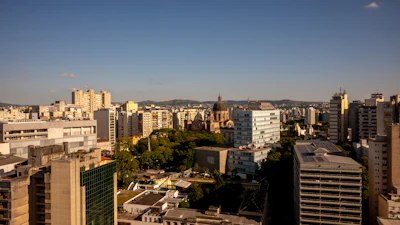
Remote Work Guide to Guangzhou
Guangzhou offers an affordable, culturally rich base for digital nomads with excellent transport and food, though language and internet restrictions require preparation. The city balances modern convenience with deep Cantonese traditions.
- Est. Budget
- $1150/mo
- Internet
- 85 Mbps
- Nomad Vibe
- 7/10
- Timezone
- UTC+8
📊 Remote Worker Score
Overall liveability breakdown for digital nomads.
💰 The Cost of Living
Estimated Budget: ~$1150/mo
Monthly expenses for a single person range from $1,200 to $1,800 USD depending on lifestyle. The biggest hidden cost is electricity during summer (air conditioning can add $50-100/mo). Rent is cheapest in Liwan and Haizhu, while Tianhe and Yuexiu are pricier. Eating local street food is incredibly cheap ($2-4 per meal), but Western groceries and imported goods are expensive. Always negotiate long-term apartment rentals through a local agent to avoid deposit scams.
🌤️ Weather & Climate
Guangzhou has a humid subtropical climate with distinct seasons. Winters (Dec-Feb) are mild and dry, perfect for outdoor exploration. Summers (Jun-Sep) are extremely hot and humid with frequent typhoons and heavy rain. Spring and autumn are transitional but autumn (Oct-Nov) is the most comfortable. The best time to visit is from October to December when temperatures are pleasant and humidity low.
| Season | Temp | Condition | Nomad Rating |
|---|---|---|---|
| Jan - Mar | 10-20°C | Cool and dry, occasional cold snaps | ⭐⭐⭐⭐ |
| Apr - Jun | 22-30°C | Warm and humid with increasing rain | ⭐⭐⭐ |
| Jul - Sep | 26-35°C | Hot, very humid, typhoon season | ⭐⭐ |
| Oct - Dec | 14-25°C | Pleasant and mild, low humidity | ⭐⭐⭐⭐⭐ |
Plan your trip for
Oct - Dec
💻 Workspace & Real Connectivity
Coworking spaces like WeWork, Kr Space, and Naked Hub are common in Tianhe and offer dedicated desks from $150-250/month with fast fiber internet (100+ Mbps). Many cafes also have good WiFi but can be crowded. Internet is generally reliable, but a VPN is mandatory to access Google, WhatsApp, and X. Some coworking spaces provide VPN routers. For heavy video calls, rent a space with a dedicated booth.
- Stability: Highly stable with fiber-optic connections, rare outages
- eSIM: Available via Airalo and Holafly, but local SIM is cheaper
- Local SIM: ~10 USD/mo for 30GB 4G/5G from China Unicom or China Mobile
🏠 Everyday Life Essentials
Before packing your bags, here are the practical details about living in Guangzhou. Knowing these nuances can make or break your remote setup.
🚑 Safety & Healthcare
Guangzhou has high-quality private hospitals like United Family and Guangzhou Fertility Hospital that cater to expats, with English-speaking staff. Public hospitals are adequate but language can be a barrier. The cost of a doctor visit is around $50-100, and health insurance is recommended. The city is generally safe, with low violent crime, but watch out for pickpocketing in crowded markets.
🍜 Food Scene
Cantonese cuisine is world-famous, and Guangzhou is its epicenter. You can eat dim sum, roast goose, and wonton noodles for under $5. Street food is ubiquitous and safe as long as it's freshly cooked. International food is available in expat areas but pricier. Tap water is not drinkable; most people buy bottled water or use a filter. Be cautious with raw foods and ice from street vendors.
Local Meal Avg.
🛵 Getting Around (Transport)
The Guangzhou Metro is extensive, cheap ($0.30-1 per ride), and covers almost everywhere. Walking and cycling are pleasant in newer areas like Zhujiang New Town, but sidewalks in older districts can be uneven. Buses are cheap but slower. DiDi ride-hailing is very affordable (short rides $3-5). For longer trips, high-speed trains connect to Shenzhen, Hong Kong, and other cities. Owning a scooter is not practical due to license and traffic issues.
- Ride-hailing: DiDi is dominant and cheap; Uber is not available
- Scooter: Not recommended for nomads due to strict regulations and traffic
- Airport: 35 km from Baiyun Airport, 40-60 mins by metro or taxi
- Traffic: Heavy during rush hours, especially on inner ring roads
Monthly Transit Budget
Estimated cost for local transport, scooter rental, or ride-hailing apps.
🛂 Visas & Nomad Taxes
Most digital nomads enter on a 30-day or 60-day tourist L visa (single/double entry) which can be extended once within China for up to 30 days. Business M visas allow longer stays for remote workers with an invitation letter. Overstaying is fined heavily, so many nomads do border runs to Hong Kong or Macau every few months. For longer stays, consider a student visa or the new 5-year residence permit if eligible.
💼 Tax Landscape
China taxes residents on worldwide income if they spend more than 183 days in a year. However, many digital nomads stay on tourist visas and avoid tax residency by doing border runs. For those who work for a foreign company and stay less than 183 days, income is generally not taxable in China. It's advisable to consult a tax advisor, as the rules can change. Double taxation agreements exist with many countries.
Common Visas
- Tourist L Visa
- Business M Visa
- Student X Visa
🗣️ Language & Culture
Cantonese is the local language, but Mandarin is widely understood. English is spoken in business settings but basic Mandarin helps immensely. Respect local customs: remove shoes when entering homes, use both hands to give gifts, and avoid losing your temper in public. Tipping is not expected. The concept of 'face' (mianzi) is important – avoid public criticism. Digital nomads should dress modestly in traditional areas.
English Proficiency
🗺️ Best Areas for Remote Workers
| Area | Avg Rent | Noise | Walkability | Best For |
|---|---|---|---|---|
| Tianhe | $800/mo | Lively | 8/10 | Young professionals and nightlife |
| Haizhu | $550/mo | Quiet | 6/10 | Families and budget nomads |
| Liwan | $450/mo | Moderate | 7/10 | Culture and traditional food |
| Yuexiu | $700/mo | Lively | 9/10 | Central location and history |
🏠 Everyday Life Pros & Cons
👍 Pros
- ✅ Excellent and affordable public transport
- ✅ Incredible street food scene
- ✅ Strong expat community with many events
- ✅ Modern coworking spaces with fast internet
- ✅ Cost of living is lower than in Shanghai or Beijing
- ✅ Rich cultural heritage and Cantonese culture
👎 Cons
- ❌ Air pollution can spike in winter
- ❌ Language barrier outside expat areas
- ❌ Tap water is not drinkable
- ❌ Visa runs require careful planning
- ❌ Summer heat and humidity can be oppressive
- ❌ Internet censorship requires a reliable VPN
⚠️ Common Mistakes in Guangzhou
Avoid these beginner traps to save money and stress:
- — Not installing WeChat and Alipay before arrival – they are essential for everything
- — Underestimating the humidity – pack light, breathable clothing
- — Assuming everyone speaks English – learn basic Mandarin phrases
- — Drinking tap water without boiling or filtering
- — Relying on Google Maps for navigation – use Baidu Maps or Amap instead
- — Forgetting to install a reliable VPN before leaving home
- — Overlooking the need for a proper visa – overstaying can lead to fines
💬 Remote Worker Reviews
📊 Data Sources & Methodology
To ensure accuracy, the cost of living index and city data are aggregated from multiple global databases:
Internet speeds: Ookla Speedtest Global Index.
Safety & Crime: Numbeo Safety Index and global crime reports.
Air Quality (AQI): IQAir realtime data.
Budgeting: Aggregated from Numbeo, NomadList, and localized expat housing communities.
* AI analysis provided by Google AI algorithms trained on the latest remote work trends.
How does Guangzhou compare?
Compare living costs and stats with other popular nomad destinations.