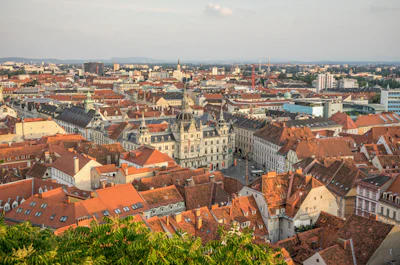
Remote Work Guide to Chania
Chania offers an affordable Mediterranean lifestyle with a rich history, stunning beaches, and a growing digital nomad scene. The city combines modern amenities with traditional Cretan charm, making it a top pick for remote workers seeking culture and nature.
- Est. Budget
- $1300/mo
- Internet
- 50 Mbps
- Nomad Vibe
- 8/10
- Timezone
- UTC+2
📊 Remote Worker Score
Overall liveability breakdown for digital nomads.
💰 The Cost of Living
Estimated Budget: ~$1300/mo
Monthly costs for a single digital nomad in Chania typically range from $1,200 to $1,800, with rent being the largest expense. A one-bedroom apartment in a central area costs around $650–$900, while quieter neighborhoods offer lower rates. Eating out is affordable, with a meal at a local taverna costing about $12. Hidden costs include high-season accommodation surcharges and the need for air conditioning in summer, which can increase electricity bills.
🌤️ Weather & Climate
Chania enjoys a classic Mediterranean climate with hot, dry summers and mild, wet winters. The best time to visit is from May to October when temperatures range from 22-33°C and the sea is warm for swimming. Spring and autumn are ideal for hiking and exploring without the summer crowds. Winters are cool but still pleasant, with daytime highs around 15°C.
| Season | Temp | Condition | Nomad Rating |
|---|---|---|---|
| Jan - Mar | 8-17°C | Mild, rainy, occasional sunshine | ⭐⭐⭐ |
| Apr - Jun | 15-28°C | Warm, blooming nature, pleasant | ⭐⭐⭐⭐ |
| Jul - Sep | 22-33°C | Hot, dry, peak tourist season | ⭐⭐⭐⭐⭐ |
| Oct - Dec | 12-23°C | Mild, fewer crowds, some rain | ⭐⭐⭐⭐ |
Plan your trip for
May - Oct
💻 Workspace & Real Connectivity
Coworking spaces in Chania are small but well-equipped, with monthly dedicated desks averaging $150. The most popular spots include 'Chania Coworking' and 'Work & Share' in the old town. Internet speeds are generally reliable (50+ Mbps) in central areas, but check your rental's connection before signing. Many cafes also offer free WiFi, but they can be noisy during peak hours.
- Stability: Highly stable, rare power cuts
- eSIM: Available via Airalo and Holafly
- Local SIM: ~15 USD/mo for unlimited 4G/5G from Cosmote or Vodafone
🏠 Everyday Life Essentials
Before packing your bags, here are the practical details about living in Chania. Knowing these nuances can make or break your remote setup.
🚑 Safety & Healthcare
Greece has a public healthcare system (EFKA) that is accessible to residents, but most nomads use private clinics for faster service. Chania has a public hospital and several private clinics with English-speaking staff. Costs for a doctor visit are around $50–$80, and pharmacies are well-stocked. Emergency care is reliable, but for serious conditions you may be transferred to Heraklion. Safety is generally high, with low crime rates, though petty theft can occur in tourist areas.
🍜 Food Scene
Cretan cuisine is a highlight, with fresh vegetables, olive oil, cheeses, and grilled meats dominating menus. A typical meal at a local taverna costs around $10–15, and a cappuccino is about $3.50. Tap water is safe to drink, though some prefer bottled water due to taste. Street food like souvlaki and gyros is cheap ($4–6) and delicious. Chania has many bakeries and markets for self-catering.
Local Meal Avg.
🛵 Getting Around (Transport)
Chania's old town is highly walkable, with most amenities within a 15-minute stroll. The city has a local bus network connecting neighborhoods and nearby beaches, though schedules can be infrequent. Rent a scooter or ATV for flexibility—many nomads use them to explore the coast and Samaria Gorge. Taxis are affordable for short trips, and the airport is a 30-minute drive from the center.
- Ride-hailing: No Uber, use local taxis or UberX (limited); Bolt available
- Scooter: Popular and essential for exploring the region; rent ~$25/day
- Airport: 15 km east of city center, 30 mins by taxi (~$30)
- Traffic: Moderate; heavy only near the old town in summer evenings
Monthly Transit Budget
Estimated cost for local transport, scooter rental, or ride-hailing apps.
🛂 Visas & Nomad Taxes
Non-EU nationals can stay in the Schengen area for up to 90 days within a 180-day period. Greece offers a Digital Nomad Visa (valid for one year, renewable) requiring proof of remote work and sufficient income (minimum €3,500/month). Many nomads also use border runs or apply for a long-stay D visa if they plan to stay longer. Always check the latest requirements on the official Greek migration website.
💼 Tax Landscape
Greece offers a non-domicile tax regime for new residents, but it requires formal tax residency. Digital nomads on the Greek DN Visa can elect to be taxed as a non-resident, paying a flat rate of 9% on foreign-sourced income (if you meet conditions). However, the process involves bureaucracy and a registered tax representative. Most short-term nomads simply avoid establishing tax residency and rely on their home country's rules.
Common Visas
- Schengen Area (90/180 days)
- Greek Digital Nomad Visa
- Long-stay visa (D type)
🗣️ Language & Culture
Cretans are proud of their heritage and hospitality. A few Greek phrases go a long way—learn 'kalimera' (good morning) and 'efharisto' (thank you). Dress modestly when visiting churches, and avoid discussing politics or the Macedonian naming dispute. Tipping is not mandatory but appreciated (5–10% at restaurants). The pace of life is relaxed, so expect slow service at times—embrace it as part of the culture.
English Proficiency
🗺️ Best Areas for Remote Workers
| Area | Avg Rent | Noise | Walkability | Best For |
|---|---|---|---|---|
| Old Town (Chania) | $700-900/mo | Lively | 9/10 | Nightlife and history lovers |
| Halepa | $500-700/mo | Quiet | 7/10 | Families and long-term stays |
| Koum Kapi | $600-800/mo | Moderate | 8/10 | Beach access and cafes |
| Nea Chora | $550-750/mo | Moderate | 8/10 | Seaside living and dining |
🏠 Everyday Life Pros & Cons
👍 Pros
- ✅ Stunning Venetian harbor and old town
- ✅ Affordable cost of living compared to other European destinations
- ✅ Excellent local cuisine and fresh seafood
- ✅ Reliable high-speed internet in most areas
- ✅ Vibrant expat and digital nomad community
- ✅ Easy access to beaches and hiking trails
👎 Cons
- ❌ Summer crowds and peak-season prices
- ❌ Limited coworking spaces compared to larger cities
- ❌ Public transport can be infrequent outside the city center
- ❌ Winter months are cooler and some businesses close
- ❌ Greek bureaucracy can be slow for paperwork
- ❌ Schengen 90/180 rule limits long-term stays without visa
⚠️ Common Mistakes in Chania
Avoid these beginner traps to save money and stress:
- — Renting a scooter without an international driving permit
- — Underestimating the heat in July and August without air conditioning
- — Not booking accommodation in advance during peak tourist season
- — Assuming all locals speak fluent English outside tourist areas
- — Relying solely on public transport to reach remote beaches
- — Ignoring the Schengen 90/180 day rule and overstaying
- — Paying for expensive tourist-trap restaurants along the harbor
💬 Remote Worker Reviews
📊 Data Sources & Methodology
To ensure accuracy, the cost of living index and city data are aggregated from multiple global databases:
Internet speeds: Ookla Speedtest Global Index.
Safety & Crime: Numbeo Safety Index and global crime reports.
Air Quality (AQI): IQAir realtime data.
Budgeting: Aggregated from Numbeo, NomadList, and localized expat housing communities.
* AI analysis provided by Google AI algorithms trained on the latest remote work trends.
How does Chania compare?
Compare living costs and stats with other popular nomad destinations.