Remote Work Guide to Qingdao
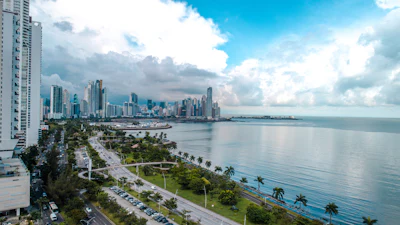
Qingdao is a coastal gem offering affordable living, good safety, and a pleasant lifestyle for digital nomads. With reliable internet, ample coworking spaces, and easy access to nature, it's a strong mid-sized option in China.
- Est. Budget
- $930/mo
- Internet
- 100 Mbps
- Nomad Vibe
- 7/10
- Timezone
- UTC+8
📊 Remote Worker Score
Overall liveability breakdown for digital nomads.
💰 The Cost of Living
Estimated Budget: ~$930/mo
Rent is the biggest expense—a decent one-bedroom in Shinan costs around $500-600 USD, while Huangdao can be as low as $400. Utilities and internet add ~$50/month. Meals are cheap: local street food for $2-3, sit-down dinners $5-10. Watch out for hidden costs like VPN subscriptions ($10-15/mo) and occasional air purifier purchases. Overall monthly budget for a single nomad is ~$800-1200.
🌤️ Weather & Climate
Qingdao has a temperate oceanic climate with four distinct seasons. Spring (April-May) is mild and blooming, ideal for outdoor activities. Summer (June-August) is hot, humid, and rain-heavy with occasional typhoons. Autumn (September-October) is cool and clear, the most comfortable period. Winter (November-March) is cold and dry with temperatures often below freezing, but with less pollution than Beijing.
| Season | Temp | Condition | Nomad Rating |
|---|---|---|---|
| Jan - Mar | -2 to 8°C | Cold, dry, occasional snow | ⭐⭐⭐ |
| Apr - Jun | 10 to 22°C | Mild, pleasant, blooming | ⭐⭐⭐⭐⭐ |
| Jul - Sep | 22 to 30°C | Hot, humid, typhoon risk | ⭐⭐⭐⭐ |
| Oct - Dec | 5 to 18°C | Cool, clear, low rainfall | ⭐⭐⭐⭐ |
Plan your trip for
Apr - Oct
💻 Workspace & Real Connectivity
Coworking spaces are growing in Qingdao, with popular options like 'WeWork' in Shinan and local hubs offering dedicated desks for $100-200/month. Internet speeds average 100 Mbps and are reliable with a good VPN. Many cafes also offer fast WiFi, though power outlets can be limited. Some coworking spaces host networking events, but the nomad community is smaller than in Beijing or Shanghai.
- Stability: Highly stable with rare outages. Fiber broadband is common.
- eSIM: Available via Airalo and Holafly, but local SIM is cheaper.
- Local SIM: ~10 USD/mo for 50GB 5G data
🏠 Everyday Life Essentials
Before packing your bags, here are the practical details about living in Qingdao. Knowing these nuances can make or break your remote setup.
🚑 Safety & Healthcare
Qingdao has several good international hospitals, such as Qingdao University Affiliated Hospital and the Hiser Medical Center. English-speaking doctors are available but limited; bring a translation app. Basic treatments are affordable, but serious cases may require a trip to Beijing. Pharmacies are well-stocked, but bring your own supply of prescription medications as brands differ.
🍜 Food Scene
Qingdao is famous for its fresh seafood, including clams, prawns, and the local 'Qingdao beer' (Tsingtao). Street food stalls offer jianbing, grilled skewers, and dumplings for under $3. International food is available in Shinan (Korean, Japanese, Western) but pricier. Tap water is not drinkable; everyone buys bottled water or uses a filter. Food hygiene is generally good, but stick to busy eateries for freshness.
Local Meal Avg.
🛵 Getting Around (Transport)
Qingdao's metro system (Lines 1-4) is expanding and covers most key areas efficiently. Public buses are cheap (1-2 RMB) but signage is Chinese-only. Walking is pleasant in Shinan and along the coastline, but other districts are less walkable. Taxis and Didi rides are cheap (starting ~$1). Bicycle sharing (Mobike) is available but can be dangerous due to traffic. For longer stays, consider buying a used e-bike (requires license).
- Ride-hailing: Didi (China's Uber) is widely available and affordable.
- Scooter: Not recommended due to strict licensing and mixed traffic.
- Airport: 30 km from city center, ~45 mins by taxi or metro (Line 1/3).
- Traffic: Moderate congestion during rush hours, generally manageable.
Monthly Transit Budget
Estimated cost for local transport, scooter rental, or ride-hailing apps.
🛂 Visas & Nomad Taxes
Most nomads enter China on a 30-day tourist (L) visa or a 10-year multiple-entry business (M) visa. Visa runs are not possible overland to Hong Kong or Macau as they are part of China; instead, you must exit to a third country like South Korea or Japan. Extensions are possible but require a local sponsor or proof of travel plans. There is no specific digital nomad visa for China.
💼 Tax Landscape
Foreigners residing in China for more than 183 days per year are considered tax residents and must pay income tax on global income. However, many digital nomads stay on tourist visas for shorter periods and are not tax residents. China does not offer a specific nomad tax exemption. If working remotely for a foreign company, ensure compliance with both Chinese and home country tax laws; many nomads simply treat the stay as a holiday.
Common Visas
- Tourist visa (L)
- Business visa (M)
- Student visa (X)
🗣️ Language & Culture
Respect for elders and public order is important. Avoid loud arguments or public displays of affection. Learn a few basic phrases like 'xièxiè' (thank you) and 'duìbuqǐ' (sorry) to ease interactions. Bargaining is common in street markets but not in supermarkets or restaurants. The official language is Mandarin; English signage is rare outside tourist spots. Qingdao's culture blends German colonial heritage with Chinese coastal traditions.
English Proficiency
🗺️ Best Areas for Remote Workers
| Area | Avg Rent | Noise | Walkability | Best For |
|---|---|---|---|---|
| Shinan (Downtown / Qingdao Old Town) | $600/mo | Lively | 9/10 | Sightseeing, cafes, nightlife |
| Laoshan District | $450/mo | Quiet | 5/10 | Nature lovers, hiking, families |
| Shibei District | $500/mo | Moderate | 7/10 | Business travelers, central access |
| Huangdao (New District / West Coast) | $400/mo | Quiet | 4/10 | Budget living, tech parks, beaches |
🏠 Everyday Life Pros & Cons
👍 Pros
- ✅ Affordable cost of living compared to other Chinese coastal cities
- ✅ Beautiful beaches and seaside promenades
- ✅ Excellent seafood and local cuisine
- ✅ Efficient metro system and public transport
- ✅ High safety and low crime rate
- ✅ Rich German colonial architecture and cultural history
👎 Cons
- ❌ Air pollution spikes in winter due to heating and industry
- ❌ Limited English usage outside tourist areas
- ❌ Strict visa regulations and limited nomad-friendly options
- ❌ Humid and hot summers (July-August)
- ❌ Restricted internet requiring VPN setup
- ❌ Nightlife is relatively subdued compared to Shanghai or Beijing
⚠️ Common Mistakes in Qingdao
Avoid these beginner traps to save money and stress:
- — Not installing a reliable VPN before arriving
- — Ignoring air quality index and failing to wear a mask on bad days
- — Assuming everyone speaks English—learn basic Mandarin phrases
- — Relying on cash instead of setting up Alipay or WeChat Pay
- — Underestimating summer humidity and heat
- — Overstaying visa without understanding extension rules
- — Thinking taxis accept foreign credit cards—always have mobile payment ready
💬 Remote Worker Reviews
📊 Data Sources & Methodology
To ensure accuracy, the cost of living index and city data are aggregated from multiple global databases:
Internet speeds: Ookla Speedtest Global Index.
Safety & Crime: Numbeo Safety Index and global crime reports.
Air Quality (AQI): IQAir realtime data.
Budgeting: Aggregated from Numbeo, NomadList, and localized expat housing communities.
* AI analysis provided by Google AI algorithms trained on the latest remote work trends.
How does Qingdao compare?
Compare living costs and stats with other popular nomad destinations.