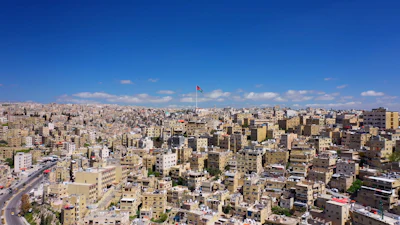
Remote Work Guide to Shenyang
Shenyang offers an ultra-low cost of living with rich history and safe streets, ideal for budget-conscious remote workers. However, the language barrier and harsh winters require preparation.
- Est. Budget
- $800/mo
- Internet
- 100 Mbps
- Nomad Vibe
- 7/10
- Timezone
- UTC+8
📊 Remote Worker Score
Overall liveability breakdown for digital nomads.
💰 The Cost of Living
Estimated Budget: ~$800/mo
Rent is the biggest saving – a decent one-bedroom apartment in a central area costs around $400 per month. Utilities (electricity, water, gas) add about $50 monthly, and heating in winter can be extra. Eating out is very cheap, with local meals around $4, but Western food is pricier. Hidden costs include VPN subscriptions ($10-15/mo), air purifiers during smog season, and occasional visa extension fees.
🌤️ Weather & Climate
Shenyang has a continental monsoon climate with cold, dry winters and hot, humid summers. Spring and autumn are short but pleasant, with mild temperatures and less rain. The best time to visit is from May to September when temperatures are comfortable and outdoor activities are enjoyable. Winter temperatures can drop below -20°C, so heavy winter gear is essential. Air quality is poorest in winter due to coal heating, while summer brings occasional smog.
| Season | Temp | Condition | Nomad Rating |
|---|---|---|---|
| Jan - Mar | -15 to 5°C | Cold, dry, occasional snow | ⭐⭐ |
| Apr - Jun | 8 to 25°C | Mild, windy, some rain | ⭐⭐⭐⭐ |
| Jul - Sep | 18 to 30°C | Warm, humid, frequent rain | ⭐⭐⭐⭐ |
| Oct - Dec | -5 to 15°C | Cool, clear skies, early snow | ⭐⭐⭐ |
Plan your trip for
May - Sep
💻 Workspace & Real Connectivity
Coworking spaces are limited compared to first-tier cities, but a few modern options exist in Heping and Shenhe districts, with dedicated desks around $120/month. Internet speeds are excellent in cafes and co-working spaces, though the Great Firewall requires a reliable VPN. Many nomads work from home or chain coffee shops like Starbucks, which offer free WiFi. Power outages are rare, but backup connectivity via mobile hotspot is recommended.
- Stability: Reliable fiber-optic broadband with minimal downtime
- eSIM: Limited eSIM support, easier to buy a physical SIM card
- Local SIM: ~10 USD/mo for 20GB data
🏠 Everyday Life Essentials
Before packing your bags, here are the practical details about living in Shenyang. Knowing these nuances can make or break your remote setup.
🚑 Safety & Healthcare
Public hospitals are affordable but can be crowded, with limited English services. International clinics in Shenyang are few, with the best option being Shenyang United Family Hospital, which offers Western-trained staff at higher prices. Pharmacies are abundant but require a prescription for many medications. Travel insurance with evacuation coverage is strongly recommended for serious conditions.
🍜 Food Scene
Shenyang is famous for its hearty northeastern Chinese cuisine, including dishes like guo bao rou (sweet and sour pork) and dumplings. Street food is ubiquitous and delicious, with prices as low as $1-2 for skewers or pancakes. Tap water is not safe to drink – always buy bottled water or boil it. Western restaurants and supermarkets are available but more expensive, so most nomads embrace local food for budget and flavor.
Local Meal Avg.
🛵 Getting Around (Transport)
Shenyang has an efficient and cheap metro system covering most of the city, with a single ride costing about $0.30. Buses are even cheaper but slower and harder to navigate without Chinese. Taxis and Didi are affordable, with typical rides under $5 across town. Walkability is moderate – central areas like Heping are pedestrian-friendly, but many streets lack proper sidewalks. Biking is possible in warmer months, though traffic can be chaotic.
- Ride-hailing: Didi is widely used; Uber not available
- Scooter: Not recommended due to cold winters and heavy traffic
- Airport: 30 km, 40 minutes via taxi or metro
- Traffic: Moderate congestion during rush hours, manageable
Monthly Transit Budget
Estimated cost for local transport, scooter rental, or ride-hailing apps.
🛂 Visas & Nomad Taxes
Most nationalities require a visa to enter China, typically a 30-day tourist (L) visa which can be extended once for another 30 days within the country. For longer stays, a business (M) visa or student (X) visa is more suitable. Overstaying is heavily penalized, and border runs are not practical due to China's land borders requiring visas for re-entry. Always register your accommodation with local police within 24 hours of arrival.
💼 Tax Landscape
China taxes residents on worldwide income if they stay over 183 days in a year. For shorter stays (tourist visa), no tax is owed on foreign-sourced income. Digital nomads working remotely for non-Chinese companies are generally not taxed if they stay under 183 days. However, local banks may require a tax registration number for certain transactions. Always consult a tax professional to avoid double taxation issues.
Common Visas
- Tourist visa (L)
- Business visa (M)
- Student visa (X)
🗣️ Language & Culture
Chinese is the dominant language; learning basic phrases like 'ni hao' and 'xie xie' goes a long way. Tipping is not practiced and can be seen as rude. Punctuality is valued, and direct confrontation is avoided. When meeting someone, a slight nod or handshake is appropriate. Public displays of affection are less common than in the West. Gift-giving is common when invited to a home, but avoid clocks or white flowers (associated with funerals).
English Proficiency
🗺️ Best Areas for Remote Workers
| Area | Avg Rent | Noise | Walkability | Best For |
|---|---|---|---|---|
| Heping | $400/mo | Lively | 8/10 | Nightlife and dining |
| Shenhe | $350/mo | Moderate | 7/10 | History and culture |
| Dadong | $300/mo | Quiet | 6/10 | Families and budget living |
| Tiexi | $250/mo | Quiet | 5/10 | Industrial area, cheap rent |
🏠 Everyday Life Pros & Cons
👍 Pros
- ✅ Very affordable cost of living
- ✅ Rich history and cultural sites
- ✅ Excellent public transport system
- ✅ Delicious local cuisine, especially street food
- ✅ Safe city with low crime rates
- ✅ Four distinct seasons with beautiful autumn colors
👎 Cons
- ❌ Severe air pollution in winter
- ❌ Limited English spoken outside tourist areas
- ❌ Extremely cold winters (below -20°C)
- ❌ Internet censorship requires VPN
- ❌ Expat community is small and scattered
- ❌ Healthcare system can be crowded
⚠️ Common Mistakes in Shenyang
Avoid these beginner traps to save money and stress:
- — Not installing a VPN before arriving due to internet restrictions
- — Assuming everyone speaks English – learn basic Mandarin phrases
- — Relying on credit cards instead of Alipay or WeChat Pay
- — Underestimating the cold – bring proper winter clothing
- — Drinking tap water – always buy bottled or boiled water
- — Not carrying cash for small street vendors
- — Overlooking the need for a registered address for visa extensions
💬 Remote Worker Reviews
📊 Data Sources & Methodology
To ensure accuracy, the cost of living index and city data are aggregated from multiple global databases:
Internet speeds: Ookla Speedtest Global Index.
Safety & Crime: Numbeo Safety Index and global crime reports.
Air Quality (AQI): IQAir realtime data.
Budgeting: Aggregated from Numbeo, NomadList, and localized expat housing communities.
* AI analysis provided by Google AI algorithms trained on the latest remote work trends.
How does Shenyang compare?
Compare living costs and stats with other popular nomad destinations.