Remote Work Guide to Antigua Guatemala
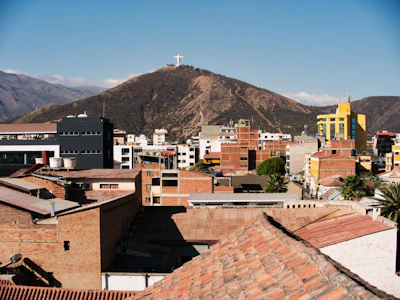
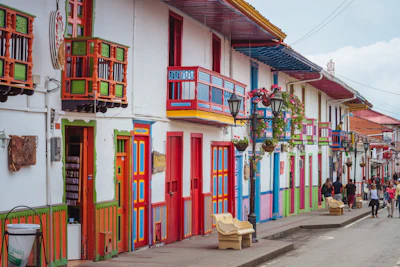
Antigua, Guatemala offers a captivating blend of colonial charm, affordable living, and a thriving digital nomad community. With its mild climate, rich culture, and proximity to volcanoes and lakes, it's a top choice for remote workers seeking a balanced lifestyle.
- Est. Budget
- $930/mo
- Internet
- 25 Mbps
- Nomad Vibe
- 8/10
- Timezone
- UTC-6
📊 Remote Worker Score
Overall liveability breakdown for digital nomads.
💰 The Cost of Living
Estimated Budget: ~$930/mo
Rent for a furnished one-bedroom apartment in central Antigua averages $500/month, while outside the tourist core you can find options for $400 or less. Utilities (electricity, water, internet) add ~$70/month. Food is affordable: a local meal costs $5-7, and groceries are about $200-300/month. Coworking spaces charge $150/month for a dedicated desk. Hidden costs include higher prices in touristy areas and the need for bottled water (~$10/month).
🌤️ Weather & Climate
Antigua enjoys a subtropical highland climate with mild temperatures year-round (14-28°C). The dry season from November to April offers sunny days and cool nights, making it the best time to visit. From May to October, afternoon rains are common but usually brief. The clear air during the dry months provides stunning views of the surrounding volcanoes. Overall, the climate is comfortable for outdoor activities most of the year.
| Season | Temp | Condition | Nomad Rating |
|---|---|---|---|
| Jan - Mar | 15-25°C | Dry, sunny, cool evenings | ⭐⭐⭐⭐⭐ |
| Apr - Jun | 17-28°C | Hot, start of rainy season | ⭐⭐⭐ |
| Jul - Sep | 16-26°C | Rainy, frequent afternoon showers | ⭐⭐ |
| Oct - Dec | 14-24°C | Transition to dry season, cool | ⭐⭐⭐⭐ |
Plan your trip for
Nov - Apr
💻 Workspace & Real Connectivity
Antigua has several excellent coworking spaces like Impact Hub and Selina, offering reliable internet (20-30 Mbps) and a social atmosphere. Many cafes also provide good WiFi, but speeds can drop during peak hours. For heavy work, a dedicated desk at a coworking space is recommended. Some nomads set up a home office with a backup mobile hotspot from Claro or Tigo to ensure connectivity.
- Stability: Generally stable but occasional drops during heavy rain
- eSIM: Available via Airalo/Holafly – limited local options
- Local SIM: ~15 USD/mo for 10GB 4G from Claro or Tigo
🏠 Everyday Life Essentials
Before packing your bags, here are the practical details about living in Antigua Guatemala. Knowing these nuances can make or break your remote setup.
🚑 Safety & Healthcare
Antigua has several private clinics (e.g., Centro Médico) and pharmacies with English-speaking staff for minor issues. For serious medical needs, Guatemala City (45 min away) offers higher-quality hospitals. Health insurance is recommended, and many expats use international plans. The safety index is moderate – petty theft like bag snatching can occur, especially at night. Avoid walking alone in poorly lit areas after dark.
🍜 Food Scene
Antigua's food scene blends traditional Guatemalan dishes (pupusas, chiles rellenos, pepián) with international options. A local meal at a market costs $5, while a sit-down dinner in a tourist area runs $12-20. Tap water is not safe to drink, so always buy bottled or use a filter. Street food is generally safe but choose busy stalls. Vegetarian and vegan options are available in central areas.
Local Meal Avg.
🛵 Getting Around (Transport)
Antigua is very walkable, with most attractions, shops, and coworking spaces within a 20-minute walk. Tuk-tuks (three-wheeled taxis) cost ~$1-3 for short rides. For longer trips, chicken buses (local buses) are cheap ($0.50) but crowded. Scooter rentals are popular for exploring the countryside, but be cautious of cobblestone streets. The airport is in Guatemala City, a 45-minute taxi ride costing ~$30.
- Ride-hailing: No Uber – use local taxis or tuk-tuks (called 'tuk-tuks')
- Scooter: Scooter rental ~$8/day, useful for exploring nearby villages
- Airport: 45 mins by taxi from La Aurora International Airport
- Traffic: Moderate congestion in central zone, especially on weekends
Monthly Transit Budget
Estimated cost for local transport, scooter rental, or ride-hailing apps.
🛂 Visas & Nomad Taxes
Most nationalities receive a 90-day tourist visa on arrival, which can be extended for an additional 90 days (up to 180 days total) by visiting immigration in Guatemala City. For longer stays, a temporary residence visa is an option, requiring proof of income and a clean background check. Many nomads opt for border runs to nearby countries (El Salvador, Honduras) to reset the 90-day clock.
💼 Tax Landscape
Guatemala operates a territorial tax system, meaning income earned outside the country is not taxed locally. Digital nomads working for foreign clients are generally not liable for Guatemalan income tax if they stay under 183 days per year. However, a 'Visa de Residente Temporal' may require showing proof of income. There is no specific nomad visa, but the 90-day tourist entry is tax-free for foreign-sourced income.
Common Visas
- 90-day tourist visa on arrival
- Extension up to 180 days
- Temporary resident visa (6 months)
🗣️ Language & Culture
Guatemalan culture is warm and respectful, but Spanish is essential for deeper integration. Greetings are formal – say 'buenos días' and shake hands. Wear modest clothing when visiting churches. Tipping 10% at restaurants is customary. Bargaining is acceptable at markets but not in shops. Avoid discussing politics or the civil war. Learning basic Spanish goes a long way in building trust with locals.
English Proficiency
🗺️ Best Areas for Remote Workers
| Area | Avg Rent | Noise | Walkability | Best For |
|---|---|---|---|---|
| Centro Histórico | $500/mo | Moderate | 9/10 | Sightseeing & Cafés |
| La Antigua | $600/mo | Lively | 8/10 | Nightlife & Socializing |
| San Pedro | $400/mo | Quiet | 7/10 | Budget Living & Relaxation |
| Ciudad Vieja | $450/mo | Quiet | 6/10 | Families & Long Stays |
🏠 Everyday Life Pros & Cons
👍 Pros
- ✅ Beautiful colonial architecture and volcanic backdrop
- ✅ Low cost of living compared to US/Europe
- ✅ Strong expat and digital nomad community
- ✅ Many Spanish language schools
- ✅ Mild year-round climate
- ✅ Rich cultural festivals and markets
👎 Cons
- ❌ Unreliable internet in some areas
- ❌ Occasional volcanic ash and earthquakes
- ❌ Limited nightlife outside weekends
- ❌ Tap water not safe to drink
- ❌ Air pollution from traffic and burning
- ❌ High tourist prices in central zone
⚠️ Common Mistakes in Antigua Guatemala
Avoid these beginner traps to save money and stress:
- — Drinking tap water without purification
- — Relying solely on mobile data for work
- — Not negotiating rent for long-term stays
- — Underestimating altitude (1,500m) – drink plenty of water
- — Forgetting to carry cash – many places don't accept cards
- — Skipping travel insurance for volcanic activity
- — Assuming Spanish is not necessary – English is limited outside tourist areas
💬 Remote Worker Reviews
📊 Data Sources & Methodology
To ensure accuracy, the cost of living index and city data are aggregated from multiple global databases:
Internet speeds: Ookla Speedtest Global Index.
Safety & Crime: Numbeo Safety Index and global crime reports.
Air Quality (AQI): IQAir realtime data.
Budgeting: Aggregated from Numbeo, NomadList, and localized expat housing communities.
* AI analysis provided by Google AI algorithms trained on the latest remote work trends.
How does Antigua Guatemala compare?
Compare living costs and stats with other popular nomad destinations.