Remote Work Guide to Holbox
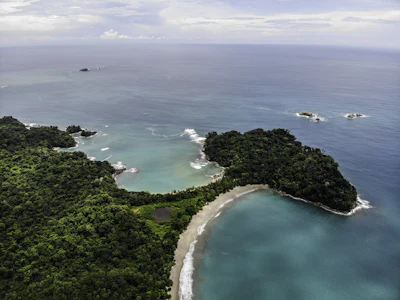
Holbox is a car-free island paradise in Mexico's Yucatán, known for its pristine beaches, laid-back atmosphere, and bio-luminescent waters. However, digital nomads must contend with limited infrastructure, slow internet, and higher costs than mainland Mexico.
- Est. Budget
- $1350/mo
- Internet
- 20 Mbps
- Nomad Vibe
- 8/10
- Timezone
- UTC-5
📊 Remote Worker Score
Overall liveability breakdown for digital nomads.
💰 The Cost of Living
Estimated Budget: ~$1350/mo
Holbox is significantly more expensive than other Mexican destinations due to its island logistics. A decent one-bedroom apartment starts at $700/mo in low season, rising to $1200 in winter. Food costs average $12 for a local meal, and imported groceries can be double mainland prices. Coworking spaces charge about $200/mo for a desk, which is steep for the limited speed. Plan for cash-only transactions and bring enough pesos, as ATMs are scarce and charge high fees.
🌤️ Weather & Climate
Holbox has a tropical monsoon climate with distinct wet and dry seasons. The best time to visit is from November to April, when temperatures range from 22°C to 29°C with low humidity and minimal rain. From May to October, expect heat, humidity, and afternoon storms, with the highest rainfall in September. Hurricane season officially runs June to November, though direct hits are rare. The shoulder months of October and May still offer good weather with fewer crowds.
| Season | Temp | Condition | Nomad Rating |
|---|---|---|---|
| Jan - Mar | 22-29°C | Clear skies, cool breezes | ⭐⭐⭐⭐⭐ |
| Apr - Jun | 26-33°C | Hot and humid, few showers | ⭐⭐⭐⭐ |
| Jul - Sep | 27-34°C | Rainy season, thunderstorms, hurricane risk | ⭐⭐ |
| Oct - Dec | 23-30°C | Milder, less rain, pleasant | ⭐⭐⭐⭐ |
Plan your trip for
Nov - Apr
💻 Workspace & Real Connectivity
Coworking options are limited to a handful of places like 'Holbox Cowork' and 'La Playa', offering amenities but often throttled speeds (10-20 Mbps). Most nomads work from cafes or hotel lobbies, but even these struggle during peak hours. A 4G backup plan (Telcel or Movistar) is essential, especially during rainy season when satellite connections falter. Some accommodations include decent wifi, but always test before booking long-term.
- Stability: Moderate – occasional drops during thunderstorms and high winds
- eSIM: Available via Airalo, Holafly – reliable but slower than physical SIM
- Local SIM: ~10 USD/mo for 20GB 4G (Telcel or Movistar)
🏠 Everyday Life Essentials
Before packing your bags, here are the practical details about living in Holbox. Knowing these nuances can make or break your remote setup.
🚑 Safety & Healthcare
Holbox has a small clinic for basic ailments and a Red Cross post for emergencies. For anything serious, you must take a ferry to the mainland (Chiquilá) and then drive to Cancun (2-3 hours total). Pharmacies stock common medications, but specialized care is absent. Travel insurance with evacuation coverage is strongly recommended. The island is generally safe, with petty theft being rare, but watch your belongings on the beach.
🍜 Food Scene
Holbox is famous for its fresh seafood, especially lobster pizza and ceviche. Local eateries (e.g., 'Lola's') offer set meals for $10-15, while upscale restaurants can hit $30+. Street food is cheap and tasty – try tacos de pescado for $2-3. Tap water is not safe; drink bottled or use a life-straw bottle. Vegetarian and vegan options are limited but growing. Groceries are pricier than on the mainland, so consider bulk buying before the ferry.
Local Meal Avg.
🛵 Getting Around (Transport)
The island is car-free; getting around is by golf cart, bicycle, or walking. Golf cart rentals cost $30-50 per day or ~$400/mo if negotiated. Walking is pleasant in the compact center, but the beach stretches further than it looks. The ferry from Chiquilá runs every 30 minutes (about $3 per person). To reach Cancun International Airport, combine ferry + bus/collectivo (3-4 hours total). No ride-hailing apps operate here.
- Ride-hailing: No Uber or Bolt; use local taxis or golf cart rentals
- Scooter: Not recommended – sand roads and golf carts are the norm
- Airport: Ferry from Chiquilá (20 min) + 2h drive to Cancun Airport
- Traffic: Very low – golf carts and bicycles dominate
Monthly Transit Budget
Estimated cost for local transport, scooter rental, or ride-hailing apps.
🛂 Visas & Nomad Taxes
Most nationalities get a 180-day tourist visa upon arrival, which can be extended or renewed with a border run to Belize or Guatemala. Mexico offers a Temporary Resident Visa for stays up to 4 years, requiring proof of income (~$2,200/mo) or savings (~$43,000). A newer Digital Nomad Visa pilot program exists but is not yet widely implemented; most nomads use the tourist visa and do border runs every 6 months.
💼 Tax Landscape
Mexico uses a territorial tax system, meaning only income earned within Mexico is taxed. As a digital nomad earning abroad, you are not required to pay Mexican income tax on foreign-sourced income. However, if you stay over 183 days in a calendar year, you become a tax resident and must declare global income. In practice, most nomads on tourist visas do not file, but it's legally ambiguous. Consult a tax professional for compliance.
Common Visas
- Tourist (180 days)
- Temporary Resident Visa
- Digital Nomad Visa (via Temporary Resident)
🗣️ Language & Culture
Holbox is a traditional fishing community that has embraced tourism cautiously. Locals are friendly but conservative; dress modestly away from the beach. Spanish is the primary language, though many in the service industry speak basic English. Tipping 10-15% is expected. Avoid taking sand or shells from protected areas, and always ask before photographing locals. The island runs on 'Island Time' – patience is key.
English Proficiency
🗺️ Best Areas for Remote Workers
| Area | Avg Rent | Noise | Walkability | Best For |
|---|---|---|---|---|
| Centro | $800/mo | Lively | 10/10 | Nightlife |
| Playa Norte | $900/mo | Quiet | 5/10 | Beach lovers |
| El Cocal | $600/mo | Moderate | 8/10 | Families |
| Zona Hotelera | $1200/mo | Quiet | 3/10 | Luxury seekers |
🏠 Everyday Life Pros & Cons
👍 Pros
- ✅ Stunning beaches and crystal-clear water
- ✅ Relaxed island vibe and slow pace
- ✅ Amazing fresh seafood and local cuisine
- ✅ Golf carts as primary transport (fun and easy)
- ✅ Great for sunsets and nature lovers
- ✅ Less crowded than Cancun or Tulum
👎 Cons
- ❌ Slow and unreliable internet (especially during storms)
- ❌ Limited coworking spaces and high prices for them
- ❌ Mosquitoes and sand flies can be annoying
- ❌ No ATMs on the island (cash is king)
- ❌ Housing is expensive for the quality
- ❌ Medical facilities are very basic
⚠️ Common Mistakes in Holbox
Avoid these beginner traps to save money and stress:
- — Renting a golf cart without a valid international driver's license
- — Drinking tap water (stick to bottled or filtered)
- — Assuming all businesses accept credit cards
- — Underestimating mosquito repellent needs
- — Not booking accommodation in advance during high season
- — Forgetting to check the sargassum seaweed forecast
- — Relying solely on Airbnb wifi for work (use a local SIM as backup)
💬 Remote Worker Reviews
📊 Data Sources & Methodology
To ensure accuracy, the cost of living index and city data are aggregated from multiple global databases:
Internet speeds: Ookla Speedtest Global Index.
Safety & Crime: Numbeo Safety Index and global crime reports.
Air Quality (AQI): IQAir realtime data.
Budgeting: Aggregated from Numbeo, NomadList, and localized expat housing communities.
* AI analysis provided by Google AI algorithms trained on the latest remote work trends.
How does Holbox compare?
Compare living costs and stats with other popular nomad destinations.