Remote Work Guide to Mérida
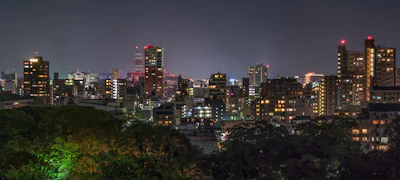
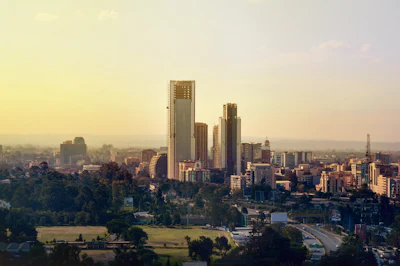
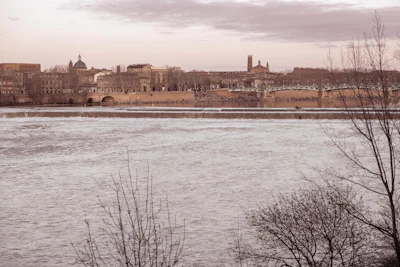
Mérida is a budget-friendly digital nomad hotspot blending colonial charm with modern amenities. The city offers a safe, culturally rich environment with good connectivity and an active expat community.
- Est. Budget
- $1075/mo
- Internet
- 60 Mbps
- Nomad Vibe
- 8/10
- Timezone
- UTC-6
📊 Remote Worker Score
Overall liveability breakdown for digital nomads.
💰 The Cost of Living
Estimated Budget: ~$1075/mo
Monthly expenses for a single person range from $1,000 to $1,500, excluding luxury habits. Rent for a one-bedroom in Centro averages $550, but can be cheaper in outer neighborhoods. Hidden costs include higher electricity bills for AC in summer and occasional water delivery. Buying fresh produce from local markets saves money compared to supermarkets. Always negotiate long-term rental contracts in pesos to avoid exchange rate surprises.
🌤️ Weather & Climate
Mérida has a tropical monsoon climate with distinct wet and dry seasons. The best time to visit is from November to March, when temperatures are mild and humidity low. From April to June, the heat becomes intense, often exceeding 35°C. July through September sees heavy afternoon storms but still plenty of sunshine. October is a transitional month with improving conditions. Overall, the winter months are ideal for outdoor exploration and coworking.
| Season | Temp | Condition | Nomad Rating |
|---|---|---|---|
| Jan - Mar | 23-30°C | Mild and dry | ⭐⭐⭐⭐⭐ |
| Apr - Jun | 25-35°C | Hot and humid | ⭐⭐⭐ |
| Jul - Sep | 24-32°C | Rainy season, storms | ⭐⭐ |
| Oct - Dec | 22-29°C | Pleasant, less rain | ⭐⭐⭐⭐ |
Plan your trip for
Nov - Mar
💻 Workspace & Real Connectivity
Coworking spaces like NexCowork and CoWork Mérida offer dedicated desks for around $180/month with reliable fiber internet. Many cafés in Centro also have good WiFi, but power outlets can be scarce. For heavy video conferencing, a premium coworking membership is recommended. Internet speeds average 60 Mbps, with fiber available in most central areas. Some nomads invest in a backup mobile hotspot for storm-related outages.
- Stability: Generally stable, occasional drops during heavy rain
- eSIM: Available via Airalo and Holafly; local SIM also affordable
- Local SIM: ~12 USD/mo for unlimited 4G/5G data
🏠 Everyday Life Essentials
Before packing your bags, here are the practical details about living in Mérida. Knowing these nuances can make or break your remote setup.
🚑 Safety & Healthcare
Mérida has several high-quality private hospitals like Hospital O'Horán and Star Médica. Healthcare is affordable, with a doctor visit costing around $30-50 without insurance. Many expats recommend getting a local health insurance plan (e.g., GNP or AXA) for peace of mind. Pharmacies are plentiful and staff often speak some English. For serious conditions, some patients travel to Cancún or Mexico City.
🍜 Food Scene
Yucatecan cuisine is a highlight – try cochinita pibil, panuchos, and sopa de lima. Street food meals cost $2-4, while mid-range restaurants charge $6-10. Tap water is not safe to drink; most locals and expats buy large garafones (bottled water) for home. Supermarkets like Chedraui and Soriana are well-stocked with international goods. Farmer's markets offer fresh fruit and vegetables at low prices.
Local Meal Avg.
🛵 Getting Around (Transport)
The city center is walkable, especially the historic district, but many areas require a car or bus. Buses are cheap (~$0.50) but routes can be confusing. Taxis and ride-hailing apps are affordable; a ride across town costs $5-8. Bicycles are popular thanks to flat terrain and dedicated bike lanes in some neighborhoods. For day trips to cenotes or ruins, renting a car is convenient.
- Ride-hailing: Uber and DiDi widely available in the city
- Scooter: Not essential; city is flat and bike-friendly
- Airport: 15 min by taxi (~12 USD) from centro
- Traffic: Light to moderate, worse during peak hours near Periférico
Monthly Transit Budget
Estimated cost for local transport, scooter rental, or ride-hailing apps.
🛂 Visas & Nomad Taxes
Tourist visa-free stays of up to 180 days are available for many nationalities. For longer stays, temporary resident visas can be obtained through consulates, requiring proof of income (~$2,500/month). Some digital nomads do border runs to Belize or Guatemala, but this is becoming stricter. Permanent residency is possible after 4 years of temporary residency and offers more stability.
💼 Tax Landscape
Mexico operates a territorial tax system – you're only taxed on income earned within the country. Digital nomads earning abroad generally owe no Mexican income tax, provided they stay less than 183 days per year. If you obtain temporary residency, you may need to file taxes on local income and possibly foreign income depending on your situation. Consult a tax specialist to avoid double taxation with your home country.
Common Visas
- Tourist Visa (6 months)
- Temporary Residency (1-4 years)
- Permanent Residency
🗣️ Language & Culture
Mérida is known for its warm, polite locals and strong Mayan heritage. Dress modestly when visiting churches, and always greet with 'buenos días'. Tipping 10-15% at restaurants is customary. Spanish is the dominant language; basic phrases go a long way. The city is very family-oriented, and many events are open to all ages. Avoid discussing sensitive political topics in casual conversation.
English Proficiency
🗺️ Best Areas for Remote Workers
| Area | Avg Rent | Noise | Walkability | Best For |
|---|---|---|---|---|
| Centro | $700/mo | Lively | 9/10 | Nightlife & culture |
| Montebello | $500/mo | Quiet | 7/10 | Families |
| Altabrisa | $600/mo | Moderate | 5/10 | Modern amenities |
| Santiago | $450/mo | Quiet | 8/10 | Budget-friendly living |
🏠 Everyday Life Pros & Cons
👍 Pros
- ✅ Affordable cost of living
- ✅ Rich Mayan and colonial culture
- ✅ Delicious Yucatecan cuisine
- ✅ Low crime compared to other Mexican cities
- ✅ Pleasant winter weather
- ✅ Growing expat and digital nomad community
👎 Cons
- ❌ Intense heat and humidity from April to October
- ❌ Limited English outside expat zones
- ❌ Public transportation can be unreliable
- ❌ Fewer coworking spaces than CDMX or Playa
- ❌ Bureaucracy for residency paperwork
- ❌ Occasional power outages during storms
⚠️ Common Mistakes in Mérida
Avoid these beginner traps to save money and stress:
- — Assuming all tap water is safe to drink – always buy bottled or filter
- — Renting a car without understanding local driving habits and insurance
- — Not carrying enough cash for small markets and street food
- — Underestimating the heat – plan outdoor activities for early morning or evening
- — Ignoring Spanish classes – daily life is much easier with basic Spanish
- — Signing a long-term lease without visiting the neighborhood first
- — Forgetting to register with the local consulate for visa extensions
💬 Remote Worker Reviews
📊 Data Sources & Methodology
To ensure accuracy, the cost of living index and city data are aggregated from multiple global databases:
Internet speeds: Ookla Speedtest Global Index.
Safety & Crime: Numbeo Safety Index and global crime reports.
Air Quality (AQI): IQAir realtime data.
Budgeting: Aggregated from Numbeo, NomadList, and localized expat housing communities.
* AI analysis provided by Google AI algorithms trained on the latest remote work trends.
How does Mérida compare?
Compare living costs and stats with other popular nomad destinations.