Remote Work Guide to Makati
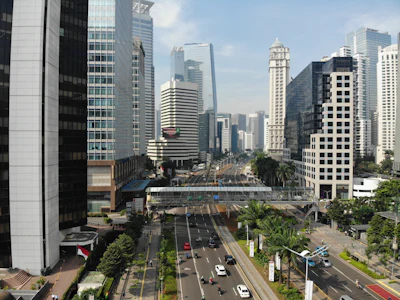
Makati offers a dynamic mix of modern business district energy and Southeast Asian affordability, making it a top choice for digital nomads seeking a vibrant base. With excellent coworking spaces and a large expat community, it's easy to settle in and stay productive.
- Est. Budget
- $980/mo
- Internet
- 30 Mbps
- Nomad Vibe
- 7/10
- Timezone
- UTC+8
📊 Remote Worker Score
Overall liveability breakdown for digital nomads.
💰 The Cost of Living
Estimated Budget: ~$980/mo
Rent is the biggest expense, with a one-bedroom apartment in central Makati averaging $600 per month, though you can find cheaper options in Poblacion or upscale condos in Rockwell. Utilities like electricity can spike if you use air conditioning heavily, so budget around $50-100 extra. Eating local street food is cheap ($3-5 per meal), while Western dining costs more. Hidden costs include bottled water, higher electricity rates, and occasional 'condo dues' if sharing a building. Always negotiate long-term leases and avoid renting sight unseen.
🌤️ Weather & Climate
Makati has a tropical monsoon climate with two distinct seasons: dry from November to April and wet from May to October. The best time to visit is during the dry northeast monsoon months of November to March, when temperatures range from 25°C to 31°C and rain is scarce. April and May are scorching hot and humid, often exceeding 34°C. The rainy season brings typhoons, especially from July to September, which can cause flooding and travel disruptions. Evenings are generally cooler and pleasant throughout the year.
| Season | Temp | Condition | Nomad Rating |
|---|---|---|---|
| Jan - Mar | 25-31°C | Dry and sunny | ⭐⭐⭐⭐⭐ |
| Apr - Jun | 27-34°C | Hot and humid, start of wet season | ⭐⭐⭐ |
| Jul - Sep | 26-32°C | Rainy, typhoon risk | ⭐⭐ |
| Oct - Dec | 25-30°C | Gradual drying, cooler evenings | ⭐⭐⭐⭐ |
Plan your trip for
Nov - Mar
💻 Workspace & Real Connectivity
Makati is packed with coworking spaces like WeWork, Regus, and local spots such as The Office Project and Clock In. Most offer fast fiber internet (30-100 Mbps) and air-conditioned comfort. Dedicated desks average $180 per month, but you can find cheaper co-living packages. Cafes like Wildflour and Curator also welcome laptop workers, though they can get crowded. Internet speeds are generally reliable, but connectivity can dip during peak hours or storms – having a backup mobile hotspot is wise.
- Stability: Generally stable in Makati, though occasional drops during heavy rain or typhoons
- eSIM: Available via Airalo and Holafly; Globe and Smart also offer eSIM prepaid plans
- Local SIM: ~15 USD/mo for unlimited 5G data from Globe or Smart
🏠 Everyday Life Essentials
Before packing your bags, here are the practical details about living in Makati. Knowing these nuances can make or break your remote setup.
🚑 Safety & Healthcare
Makati has several private hospitals like Makati Medical Center and St. Luke's Medical Center, which offer high-quality care comparable to Western standards but at lower costs. Public hospitals are generally overcrowded, so most expats opt for private insurance or pay out-of-pocket. Pharmacies are abundant and sell many medications without prescription. Emergency services are reliable in the city center. Overall healthcare quality is average but excellent for routine and non-critical needs.
🍜 Food Scene
Food in Makati is a highlight – from cheap local eateries serving adobo and sinigang ($5) to upscale international cuisine in Rockwell. Street food is abundant and generally safe, but avoid uncooked vegetables and tap water drinks. Bottled or distilled water is recommended. The city has a thriving café culture with excellent coffee (cappuccino ~$3.50). Many restaurants offer delivery via GrabFood. Tap water is not safe to drink, so always use a filter or buy bottled water.
Local Meal Avg.
🛵 Getting Around (Transport)
Makati is relatively walkable, especially in the Legazpi and Salcedo villages where most essentials are within a 10-minute walk. For longer distances, the MRT covers Makati to other parts of Metro Manila, and jeepneys provide cheap local transit. Traffic is notoriously bad during peak hours, so many nomads use Grab (ride-hailing) or motorcycle taxis (Angkas) to save time. Bicycles are becoming more common, but the streets are not very bike-friendly. The airport is about 30 minutes away without heavy traffic.
- Ride-hailing: Grab and Angkas are widely available and preferred over street taxis
- Scooter: Not recommended for daily commute due to chaotic traffic; use Grab or motorcycle taxi instead
- Airport: Ninoy Aquino International Airport (NAIA) is about 30 minutes by taxi without traffic
- Traffic: Heavy during rush hours (7-10 AM and 5-8 PM), light late at night
Monthly Transit Budget
Estimated cost for local transport, scooter rental, or ride-hailing apps.
🛂 Visas & Nomad Taxes
Philippines offers visa-free entry for up to 30 days for citizens of many countries, which can be extended in 30-day increments for up to 36 months at a time through the Bureau of Immigration. The Special Working Visa (SWV) for remote workers is not yet official, but many nomads use tourist visa extensions. The Special Resident Retiree Visa (SRRV) provides indefinite stay for those over 50 with a deposit. Border runs to nearby countries like Taiwan or Japan are common but not required if you extend properly.
💼 Tax Landscape
The Philippines uses a territorial tax system, meaning you are only taxed on income earned within the country. For digital nomads earning foreign income, you are generally not liable for Philippine income tax as long as you stay less than 183 days per year. However, if you stay longer and become a resident, you may need to register with the BIR. Many nomads simply leave every 36 months to reset their visa and avoid tax residency. Always consult a tax professional to ensure compliance.
Common Visas
- Visa-free entry (30 days)
- Visa extension (up to 36 months)
- Special Resident Retiree Visa (SRRV)
🗣️ Language & Culture
Filipino culture is warm and hospitable, but it pays to be polite and respectful – use 'po' and 'opo' when speaking to elders. English is widely spoken, especially in Makati, so communication is easy. Dress modestly in public spaces and avoid public displays of anger or loud confrontations. The sense of 'Filipino time' is real – events often start late, so be patient. Tipping is appreciated but not mandatory, though 10% is common in restaurants.
English Proficiency
🗺️ Best Areas for Remote Workers
| Area | Avg Rent | Noise | Walkability | Best For |
|---|---|---|---|---|
| Legazpi Village | $700/mo | Quiet | 8/10 | Families |
| Salcedo Village | $650/mo | Quiet | 8/10 | Professionals |
| Poblacion | $500/mo | Lively | 9/10 | Nightlife |
| Rockwell Center | $800/mo | Quiet | 7/10 | Luxury |
🏠 Everyday Life Pros & Cons
👍 Pros
- ✅ Excellent expat community and networking events
- ✅ Affordable cost of living compared to Western capitals
- ✅ High density of coworking spaces and cafes
- ✅ Widespread English proficiency
- ✅ Modern amenities with malls and restaurants
- ✅ Convenient location for exploring other Asian destinations
👎 Cons
- ❌ Heavy traffic congestion during peak hours
- ❌ Air quality can be poor due to pollution
- ❌ Tap water is not safe to drink
- ❌ Power outages occasionally occur
- ❌ Typhoon season can disrupt plans
- ❌ Metro Manila overall safety varies by area
⚠️ Common Mistakes in Makati
Avoid these beginner traps to save money and stress:
- — Renting an apartment without checking the air conditioning and water pressure first
- — Assuming all jeepneys follow fixed routes – always ask the driver before boarding
- — Leaving your phone or laptop unattended in a cafe, even for a moment
- — Not negotiating long-term rental prices – most landlords expect hagglers
- — Ignoring the rainy season – always pack an umbrella and quick-dry clothes
- — Using a taxi without negotiating the fare – insist on the meter or use Grab
- — Getting a SIM card at the airport – it's cheaper to buy at local malls
💬 Remote Worker Reviews
📊 Data Sources & Methodology
To ensure accuracy, the cost of living index and city data are aggregated from multiple global databases:
Internet speeds: Ookla Speedtest Global Index.
Safety & Crime: Numbeo Safety Index and global crime reports.
Air Quality (AQI): IQAir realtime data.
Budgeting: Aggregated from Numbeo, NomadList, and localized expat housing communities.
* AI analysis provided by Google AI algorithms trained on the latest remote work trends.
How does Makati compare?
Compare living costs and stats with other popular nomad destinations.