Remote Work Guide to Dili
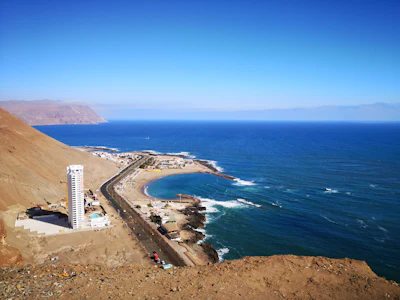
Dili, the sleepy capital of Timor-Leste, offers an ultra-low-cost lifestyle for digital nomads willing to trade modern conveniences for pristine nature and authentic culture. Internet and infrastructure remain basic, but the friendly expat community and stunning coastline make it a unique off-grid base.
- Est. Budget
- $950/mo
- Internet
- 15 Mbps
- Nomad Vibe
- 5/10
- Timezone
- UTC+9
📊 Remote Worker Score
Overall liveability breakdown for digital nomads.
💰 The Cost of Living
Estimated Budget: ~$950/mo
Rent is the biggest variable – a one-bedroom in a decent area like Farol costs around $500–$700, while older apartments in Kaikoli can be found for $300–$400. Imported goods are expensive, so local markets are key for affordable food. Electricity costs can add $50–$100/month due to frequent use of air conditioning. Overall, a nomad can live comfortably on $1,200–$1,500 per month, but factor in the occasional generator fuel for power backup.
🌤️ Weather & Climate
Dili has a tropical monsoon climate with a distinct wet season from November to April and a dry season from May to October. The dry months bring blue skies, low humidity, and perfect beach weather, ideal for remote workers who enjoy outdoor activities. Wet season afternoons often bring heavy downpours that can disrupt travel and internet. Average temperatures range from 22°C to 32°C year-round. The best time to visit for reliable sun and minimal rain is between June and September.
| Season | Temp | Condition | Nomad Rating |
|---|---|---|---|
| Jan - Mar | 24-30°C | Wet and humid, frequent rain | ⭐⭐ |
| Apr - Jun | 23-31°C | Transition to dry, less rain | ⭐⭐⭐⭐ |
| Jul - Sep | 22-32°C | Dry and sunny, peak season | ⭐⭐⭐⭐⭐ |
| Oct - Dec | 24-31°C | Increasing rain and humidity | ⭐⭐⭐ |
Plan your trip for
May - Oct
💻 Workspace & Real Connectivity
Dili has only a handful of dedicated coworking spaces – most notably Dili Office and The Office – costing roughly $120/month for a desk. Many nomads end up working from cafes like Café Edite or Letefoho, but Wi-Fi is often slow. A personal 4G hotspot (Telemor or Timor Telecom) is essential for reliable connectivity during outages. Plan to have offline backup work and a power bank handy.
- Stability: Moderate – frequent drops during storms, occasional power cuts affect routers
- eSIM: Limited eSIM support – best to buy a local SIM from Telemor or Timor Telecom
- Local SIM: ~12 USD/mo for 20GB 4G
🏠 Everyday Life Essentials
Before packing your bags, here are the practical details about living in Dili. Knowing these nuances can make or break your remote setup.
🚑 Safety & Healthcare
Healthcare in Dili is basic – the main hospital, Hospital Nacional Guido Valadares, can handle emergencies but serious cases require evacuation to Darwin or Singapore. Private clinics like Clínica Médica offer better care for minor issues. Nomads should have comprehensive travel insurance. Mosquito-borne diseases (dengue) are a risk, so mosquito nets and repellent are strongly advised.
🍜 Food Scene
Local food is simple and delicious – dishes like ikan sabuko (grilled fish) and batar da’an (corn with mung beans) cost $3–$5 at markets. International restaurants are pricier, with Western meals around $10–$15. Street food is safe if freshly cooked, but tap water is not potable – always drink bottled or boiled water. Seafood is abundant and cheap.
Local Meal Avg.
🛵 Getting Around (Transport)
The city is compact enough to walk in central areas, but most nomads rent scooters for $120–$150/month to explore further. Microlets (shared minivans) cost $0.25 per ride along fixed routes. Taxis are unmetered – negotiate before riding. The airport is a quick 10-minute drive from the city center. Traffic is rarely heavy.
- Ride-hailing: No Uber or Grab – rely on local taxis or microlets (minibuses)
- Scooter: Essential for getting around – rent for ~150 USD/mo
- Airport: 10 minutes by taxi (about 5 km from city center)
- Traffic: Low to moderate – congestion rare except near markets
Monthly Transit Budget
Estimated cost for local transport, scooter rental, or ride-hailing apps.
🛂 Visas & Nomad Taxes
Most nationalities receive a 30-day visa on arrival at Presidente Nicolau dos Santos Lobato International Airport, which can be extended once for an additional 30 days at the immigration office. For longer stays, a business visa or temporary stay permit is required, often handled through an agency. Many nomads do a visa run to nearby Kupang, Indonesia, every two months to reset their tourist visa.
💼 Tax Landscape
Timor-Leste operates a territorial tax system – only income sourced within the country is taxable. Digital nomads earning from abroad are generally not required to file local taxes for stays under 183 days. The standard corporate tax rate is 10%, and there is no capital gains tax. However, always consult a local accountant for clarity on long-term stays.
Common Visas
- Visa on arrival (30 days)
- Tourist visa extension (up to 60 days)
- Business visa
🗣️ Language & Culture
Timor-Leste has a deep spiritual culture blending Catholicism with animist traditions. Greetings are formal; a handshake and smile go a long way. Learning a few Tetum phrases (like 'bondia' for good morning) is appreciated. Dress modestly outside beach areas. Tipping is not expected but welcomed. The pace of life is slow – patience is key.
English Proficiency
🗺️ Best Areas for Remote Workers
| Area | Avg Rent | Noise | Walkability | Best For |
|---|---|---|---|---|
| Farol | $700/mo | Lively | 7/10 | Beach access & expats |
| Bidau | $500/mo | Moderate | 6/10 | Central living |
| Colmera | $450/mo | Lively | 5/10 | Shopping & commerce |
| Kaikoli | $400/mo | Quiet | 4/10 | Families & budget |
🏠 Everyday Life Pros & Cons
👍 Pros
- ✅ Low cost of living
- ✅ Friendly local population
- ✅ Stunning beaches and diving
- ✅ Quiet, uncrowded atmosphere
- ✅ Unique cultural heritage
- ✅ Fresh and affordable seafood
👎 Cons
- ❌ Unreliable and slow internet
- ❌ Frequent power outages
- ❌ Limited coworking spaces
- ❌ Basic healthcare facilities
- ❌ Poor public transportation
- ❌ High humidity and rain season
⚠️ Common Mistakes in Dili
Avoid these beginner traps to save money and stress:
- — Renting a scooter without an international driving permit
- — Not bringing enough USD cash – ATMs are scarce
- — Underestimating the need for a backup internet dongle
- — Ignoring visa expiry – overstay fines are steep
- — Drinking tap water – always boil or buy bottled
- — Expecting reliable ride-hailing – local taxis are informal
- — Forgetting to factor in rainy season travel delays
💬 Remote Worker Reviews
📊 Data Sources & Methodology
To ensure accuracy, the cost of living index and city data are aggregated from multiple global databases:
Internet speeds: Ookla Speedtest Global Index.
Safety & Crime: Numbeo Safety Index and global crime reports.
Air Quality (AQI): IQAir realtime data.
Budgeting: Aggregated from Numbeo, NomadList, and localized expat housing communities.
* AI analysis provided by Google AI algorithms trained on the latest remote work trends.
How does Dili compare?
Compare living costs and stats with other popular nomad destinations.