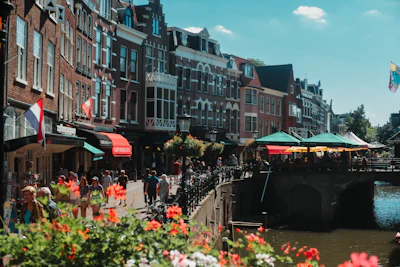
Remote Work Guide to Abu Dhabi
Abu Dhabi offers a high-safety, tax-free haven for digital nomads who prioritize stability and infrastructure. The city’s extreme summer heat and high cost of living are significant trade-offs for its excellent connectivity and expat community.
- Est. Budget
- $1980/mo
- Internet
- 100 Mbps
- Nomad Vibe
- 7/10
- Timezone
- UTC+4
📊 Remote Worker Score
Overall liveability breakdown for digital nomads.
💰 The Cost of Living
Estimated Budget: ~$1980/mo
Rent is the largest expense, with a one-bedroom apartment in central areas like Al Reem Island costing around $1,300–$1,800 per month; sharing a villa can reduce costs. Groceries are comparable to Western prices, but eating out at mid-range restaurants often costs $10–$20 per meal. Utilities and cooling bills spike in summer, adding $150–$200 monthly. Coworking spaces average $300/month for a dedicated desk, though many cafés with reliable WiFi are available. Transportation is relatively cheap (public bus $0.50 per ride), but owning a car adds fuel, insurance, and maintenance costs.
🌤️ Weather & Climate
Abu Dhabi has an arid subtropical climate with scorching summers from June to September where temperatures often exceed 45°C and humidity spikes near the coast. Winters from November to March are pleasantly warm with daytime highs around 25-30°C and cooler evenings, making it the ideal season for outdoor activities. Spring and autumn are transitional periods with increasing heat. The best time to visit is between November and March when the weather is comfortable for exploring the city and working from outdoor cafés. Air conditioning is ubiquitous, so indoor work remains feasible year-round.
| Season | Temp | Condition | Nomad Rating |
|---|---|---|---|
| Jan - Mar | 20-30°C | Pleasant, sunny days with cool evenings | ⭐⭐⭐⭐⭐ |
| Apr - Jun | 30-40°C | Hot and dry, occasional dust storms | ⭐⭐⭐ |
| Jul - Sep | 40-50°C | Extreme heat, high humidity near coast | ⭐ |
| Oct - Dec | 25-35°C | Warm and comfortable, low humidity | ⭐⭐⭐⭐ |
Plan your trip for
Nov - Mar
💻 Workspace & Real Connectivity
Coworking spaces like WeWork, Regus, and local hubs in Al Reem and Yas Island offer modern amenities, high-speed internet (100+ Mbps), and networking events for around $300/month for a dedicated desk. Cafés such as % Arabica and The Third Place have reliable WiFi and a nomad-friendly vibe. Internet in apartments is typically fiber optic with speeds up to 1 Gbps, but expect occasional slowdowns in older buildings. Power outages are rare, and backup generators are common in newer towers. Overall, the digital infrastructure is excellent for remote work.
- Stability: Highly stable, rare outages; fiber optic widely available
- eSIM: Available via Airalo, Holafly, and local providers like Etisalat
- Local SIM: ~30 USD/mo for unlimited 5G data (prepaid)
🏠 Everyday Life Essentials
Before packing your bags, here are the practical details about living in Abu Dhabi. Knowing these nuances can make or break your remote setup.
🚑 Safety & Healthcare
Healthcare in Abu Dhabi is world-class, with top private hospitals like Cleveland Clinic Abu Dhabi and Sheikh Khalifa Medical City offering advanced treatments. All residents must have health insurance (employers usually provide it for employees; freelancers need their own policy costing around $100–$200/month). Emergency care is excellent, and pharmacies are widely available. The city is extremely safe, with very low crime rates; women can walk alone at night without concern. Minor ailments like stomach upsets due to water quality are common, but tap water is not recommended.
🍜 Food Scene
Abu Dhabi offers a diverse culinary scene from street food (shawarma, falafel) to high-end international restaurants. A typical local meal costs around $10–$15, while fine dining can exceed $100. Many supermarkets and delivery apps (Talabat, Deliveroo) provide convenient access to groceries and prepared meals. Tap water is not safe for drinking; most people buy bottled water or use filtration systems. Food hygiene standards are high, and stomach issues are rare if you stick to reputable eateries. Halal options are ubiquitous, and vegetarian/vegan choices are growing.
Local Meal Avg.
🛵 Getting Around (Transport)
Abu Dhabi is a car-centric city, and most residents rely on private vehicles or ride-hailing services like Uber and Careem. Public buses are cheap but infrequent and cover only major routes; the upcoming metro project is still under construction. Walking is impractical during summer, but in winter the Corniche is a pleasant area for strolls. Taxis are reasonably priced (starting at $3) and metered. Scooters are not common due to heat and lack of infrastructure. The airport is just 20 minutes from downtown, making travel easy.
- Ride-hailing: Uber and Careem are widely available, reasonably priced
- Scooter: Not recommended – extreme heat and limited dedicated lanes; cars dominate
- Airport: 20 minutes from city center via taxi (Abu Dhabi International Airport)
- Traffic: Moderate congestion during peak hours, but generally smoother than Dubai
Monthly Transit Budget
Estimated cost for local transport, scooter rental, or ride-hailing apps.
🛂 Visas & Nomad Taxes
Most nationalities can obtain a 30-day tourist visa on arrival at Abu Dhabi airport, which can be extended for an additional 30 days. For longer stays, the UAE offers a freelance/remote work visa (valid 1-2 years) through programs like the 'Virtual Work Program,' requiring proof of income (around $3,500/month) and health insurance. Alternatively, the Golden Visa for investors and exceptional talents provides 5- or 10-year residency but demands a higher financial commitment. Border runs to Oman are also a short drive away for visa renewals, but the freelance visa is the most straightforward option for nomads.
💼 Tax Landscape
The United Arab Emirates has no personal income tax, making it a huge draw for digital nomads and freelancers. There is no capital gains tax, inheritance tax, or VAT on most goods (though a 5% VAT applies to many purchases). Corporate tax is only applicable to certain businesses and is 9% for profits above $100,000, but freelancers below that threshold are typically exempt. However, you must ensure your home country tax obligations are met, as the UAE does not impose taxes on foreign-earned income. It’s advisable to consult a tax professional if you remain a tax resident elsewhere.
Common Visas
- Tourist visa on arrival (30 days)
- Freelancer visa (valid 2 years)
- Golden visa (for investors/remote workers)
🗣️ Language & Culture
Abu Dhabi is culturally conservative compared to Dubai, with strict laws regarding public behavior, dress, and alcohol. Women should dress modestly in public spaces (shoulders and knees covered), especially outside tourist areas. Public displays of affection are frowned upon, and swearing or rude gestures can lead to fines. Arabic is the official language, but English is widely spoken in business and daily life. Understanding Ramadan etiquette—no eating, drinking, or smoking in public during daylight—is essential. Overall, the city offers a comfortable environment for respectful nomads.
English Proficiency
🗺️ Best Areas for Remote Workers
| Area | Avg Rent | Noise | Walkability | Best For |
|---|---|---|---|---|
| Al Reem Island | $1,500/mo | Lively | 7/10 | Young professionals |
| Yas Island | $1,800/mo | Lively | 5/10 | Entertainment & leisure |
| Al Raha Beach | $1,600/mo | Quiet | 6/10 | Families |
| Khalifa City | $1,000/mo | Quiet | 4/10 | Budget-conscious nomads |
🏠 Everyday Life Pros & Cons
👍 Pros
- ✅ Zero income tax, boosting savings
- ✅ Extremely safe, low crime rates
- ✅ World-class infrastructure and healthcare
- ✅ Multicultural expat community
- ✅ Beautiful beaches and modern amenities
- ✅ Excellent digital connectivity
👎 Cons
- ❌ Very high cost of living, especially rent
- ❌ Extreme summer heat (up to 50°C)
- ❌ Conservative social norms and strict laws
- ❌ Limited nightlife compared to Dubai
- ❌ Car-dependent city with limited walkability
- ❌ Restrictions on alcohol and public behavior
⚠️ Common Mistakes in Abu Dhabi
Avoid these beginner traps to save money and stress:
- — Driving without a valid international driving permit or UAE license
- — Not purchasing comprehensive health insurance before arriving
- — Drinking alcohol in public or outside licensed venues
- — Ignoring Ramadan restrictions (eating, drinking, smoking in public during daylight)
- — Assuming tap water is safe to drink – always buy bottled
- — Relying solely on walking – the city is spread out and very hot
- — Overstaying the tourist visa without applying for an extension or freelancer visa
💬 Remote Worker Reviews
📊 Data Sources & Methodology
To ensure accuracy, the cost of living index and city data are aggregated from multiple global databases:
Internet speeds: Ookla Speedtest Global Index.
Safety & Crime: Numbeo Safety Index and global crime reports.
Air Quality (AQI): IQAir realtime data.
Budgeting: Aggregated from Numbeo, NomadList, and localized expat housing communities.
* AI analysis provided by Google AI algorithms trained on the latest remote work trends.
How does Abu Dhabi compare?
Compare living costs and stats with other popular nomad destinations.