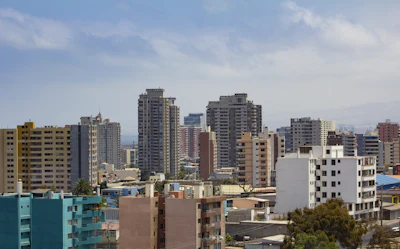
Remote Work Guide to Maracaibo
Maracaibo offers an ultra-low cost of living in USD, making it tempting for budget nomads, but it comes with severe safety, internet, and infrastructure challenges. The city's heat and vibrant culture don't outweigh the need for extreme vigilance and self-sufficiency.
- Est. Budget
- $460/mo
- Internet
- 5 Mbps
- Nomad Vibe
- 5/10
- Timezone
- UTC-4
📊 Remote Worker Score
Overall liveability breakdown for digital nomads.
💰 The Cost of Living
Estimated Budget: ~$460/mo
Living in Maracaibo is extremely cheap for those earning in USD. A one-bedroom apartment in a middle-class area costs around $150-$250 per month, while meals can be as low as $2-$4. Hidden costs include frequent generator fuel for power outages, bottled water, and security upgrades for your home. Rent is often paid in cash (USD or bolivars at black market rates), and landlords rarely use contracts. Utilities are subsidized but unreliable, so factor in backup solutions.
🌤️ Weather & Climate
Maracaibo has a tropical dry climate with an average temperature of 28°C year-round. The dry season from December to April offers the most pleasant weather, with lower humidity and constant sunshine. The rainy season from May to November brings downpours and high humidity, often causing flooding. The famous Catatumbo lightning occurs near the lake, mostly between May and October. Best months for travel are January through March.
| Season | Temp | Condition | Nomad Rating |
|---|---|---|---|
| Jan - Mar | 24-32°C | Dry and sunny | ⭐⭐⭐⭐⭐ |
| Apr - Jun | 25-34°C | Hot, start of rains | ⭐⭐⭐ |
| Jul - Sep | 25-33°C | Rainy and humid | ⭐⭐ |
| Oct - Dec | 24-31°C | Transition, less rain | ⭐⭐⭐⭐ |
Plan your trip for
Dec - Apr
💻 Workspace & Real Connectivity
Coworking spaces are nearly nonexistent in Maracaibo; only a handful of basic shared offices exist, and they may close unexpectedly. Most remote workers depend on home internet (average 5 Mbps) with LTE backup. Movistar and Digitel offer 4G in the city but speeds vary. Cafés with WiFi are few and often have poor connectivity. Consider investing in a portable power station and a good data plan for uninterrupted work.
- Stability: Frequent drops and power cuts; backup recommended
- eSIM: Limited eSIM support; prefer local SIM cards
- Local SIM: ~10 USD/mo for 5GB 4G from Movistar or Digitel
🏠 Everyday Life Essentials
Before packing your bags, here are the practical details about living in Maracaibo. Knowing these nuances can make or break your remote setup.
🚑 Safety & Healthcare
Public healthcare in Maracaibo is severely underfunded, with shortages of medicines and equipment. Private clinics like Clínica Maracaibo offer better care but can be expensive; a simple consultation costs $30-$50. For serious conditions, evacuation to Colombia or Panama is common. Always have comprehensive international health insurance with evacuation coverage. Pharmacies are widely available, but many medications require payment in cash in USD.
🍜 Food Scene
Maracaibo's cuisine is rich and affordable, with arepas, pabellón criollo (shredded beef, beans, rice), and fried plantains everywhere. Street food is safe if freshly cooked, but tap water is not potable. Bottled water is cheap ($0.50 per gallon). Markets sell fresh fruits and vegetables at very low prices. Eating out at a local fonda costs $2-$4, while a nicer restaurant might be $10-15. Avoid raw salads and ice from street stalls to prevent stomach issues.
Local Meal Avg.
🛵 Getting Around (Transport)
Maracaibo is not walkable; most areas lack sidewalks and crossing streets is dangerous. Public transport consists of 'por puesto' shared taxis and buses that are cheap ($0.50 per ride) but crowded and inconvenient. Taxis are affordable but negotiate fares upfront. Renting a car is possible but fuel shortages and poor road conditions make it stressful. Most nomads rely on taxis and ride-sharing with local drivers arranged via WhatsApp.
- Ride-hailing: No Uber; use local taxis or 'por puesto' share vans
- Scooter: Common and useful but risky due to traffic and safety
- Airport: 40 mins by taxi from La Chinita International Airport
- Traffic: Heavy during rush hours, especially on main avenues
Monthly Transit Budget
Estimated cost for local transport, scooter rental, or ride-hailing apps.
🛂 Visas & Nomad Taxes
Most nationalities can enter Venezuela as tourists with a 90-day stay, extendable for another 90 days with a simple process at immigration offices (SAIME). Overstaying incurs fines, and there is no official digital nomad visa. Border runs to Colombia or Aruba are common for renewal, but given current political tensions, check entry requirements carefully. Always carry photocopies of your passport and visa stamp.
💼 Tax Landscape
Venezuela has a territorial tax system: only income sourced within Venezuela is taxed. Foreign digital nomads earning from outside the country are generally not subject to local income tax. However, the bureaucratic system is opaque, and frequent currency controls can complicate money exchange. It's recommended to keep your earnings in foreign bank accounts and use USD cash locally. Consult a local accountant for specific advice, as rules can change with little notice.
Common Visas
- Tourist visa (90 days)
- Business visa
- Extension of stay
🗣️ Language & Culture
Venezuelans are open, expressive, and family-oriented. Greetings involve a handshake or a kiss on the cheek (women). Spanish is essential; very few people speak English. Punctuality is relaxed, so don't be offended by delays. Dress modestly and avoid flashy jewelry to reduce theft risk. Tipping 10% is customary in restaurants. Respect for hierarchy and personal connections (palanca) is important in business or daily transactions.
English Proficiency
🗺️ Best Areas for Remote Workers
| Area | Avg Rent | Noise | Walkability | Best For |
|---|---|---|---|---|
| Bella Vista | $250/mo | Moderate | 6/10 | Expats and safety |
| La Lago | $120/mo | Lively | 4/10 | Budget living |
| El Milagro | $200/mo | Quiet | 3/10 | Families |
| Centro | $100/mo | Very noisy | 8/10 | Local experience |
🏠 Everyday Life Pros & Cons
👍 Pros
- ✅ Extremely low cost of living in USD
- ✅ Warm weather year-round
- ✅ Rich oil-industry culture and history
- ✅ Lake Maracaibo views and waterfront activities
- ✅ Local food is flavorful and affordable
- ✅ Unique Catatumbo lightning phenomenon nearby
👎 Cons
- ❌ Very high crime rates and safety concerns
- ❌ Frequent power cuts and water shortages
- ❌ Limited internet reliability and low speeds
- ❌ Poor availability of coworking spaces
- ❌ Basic English spoken; Spanish essential
- ❌ Healthcare infrastructure is inadequate
⚠️ Common Mistakes in Maracaibo
Avoid these beginner traps to save money and stress:
- — Walking alone at night in unsafe areas
- — Relying solely on credit cards; almost no card acceptance
- — Assuming tap water is safe to drink
- — Underestimating the need for backup internet (e.g., mobile hotspot)
- — Not carrying cash in small denominations
- — Neglecting to check for gas shortages before driving
- — Thinking English will suffice for everyday transactions
💬 Remote Worker Reviews
📊 Data Sources & Methodology
To ensure accuracy, the cost of living index and city data are aggregated from multiple global databases:
Internet speeds: Ookla Speedtest Global Index.
Safety & Crime: Numbeo Safety Index and global crime reports.
Air Quality (AQI): IQAir realtime data.
Budgeting: Aggregated from Numbeo, NomadList, and localized expat housing communities.
* AI analysis provided by Google AI algorithms trained on the latest remote work trends.
How does Maracaibo compare?
Compare living costs and stats with other popular nomad destinations.